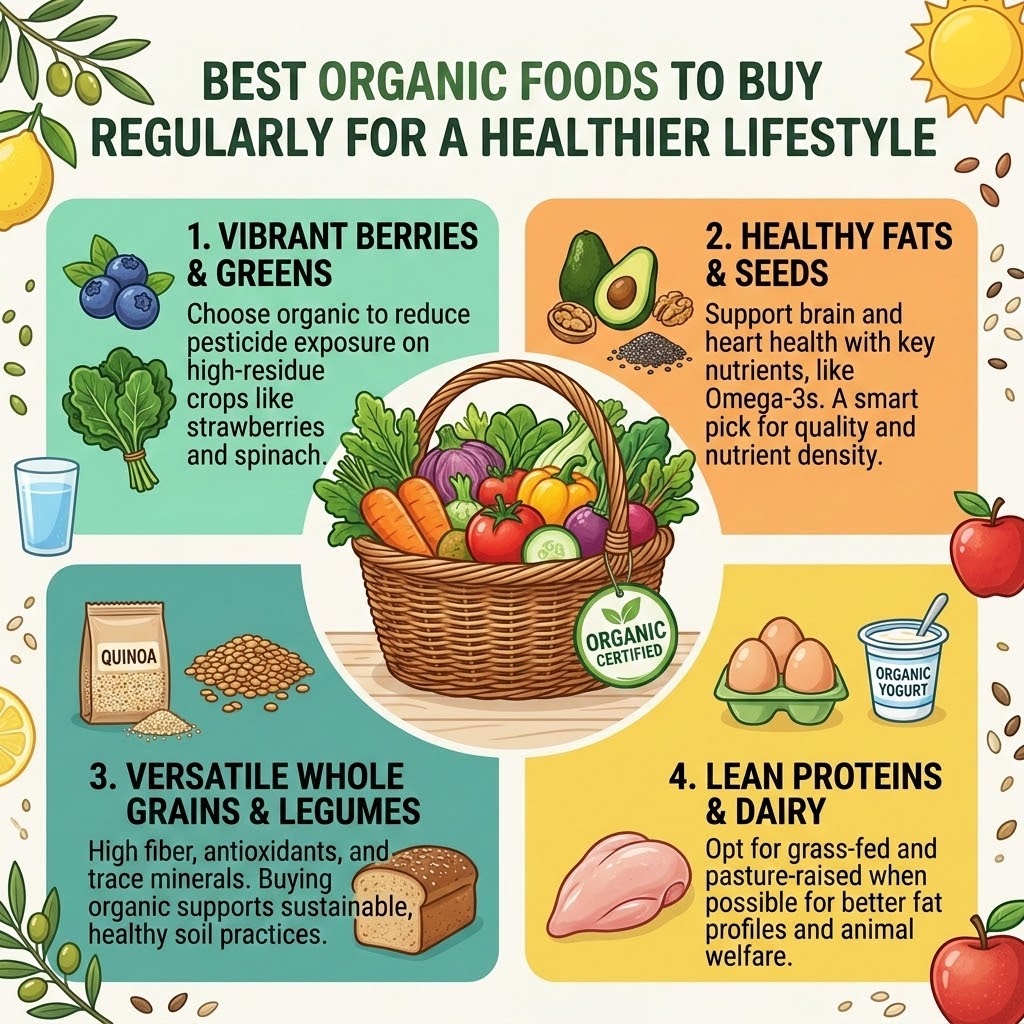
Looking to eat cleaner without overhauling your entire diet? The best organic foods to buy regularly are those that deliver maximum nutrition, minimize exposure to pesticides, and support long-term wellness—without breaking the bank. Organic doesn’t have to mean expensive or inaccessible. By focusing on a few key staples, you can make smarter, healthier choices that fit seamlessly into your daily routine.
Whether you’re new to organic eating or simply want to refine your shopping list, this guide highlights the top organic foods worth buying consistently. These picks are backed by nutrition science, environmental benefits, and real-world practicality—so you get the most value from every dollar spent.
Why Choose Organic? The Core Benefits
Organic foods are grown without synthetic pesticides, herbicides, antibiotics, or genetically modified organisms (GMOs). Choosing organic isn’t just about personal health—it’s also about supporting sustainable farming practices that protect soil, water, and biodiversity.
Studies show that organic produce often contains higher levels of certain antioxidants and lower levels of pesticide residues. For families, children, and individuals with sensitivities, reducing chemical exposure through diet can make a meaningful difference.
While not every organic item is necessary, prioritizing the best organic foods to buy regularly ensures you’re making impactful choices where it matters most.
Top Organic Produce to Prioritize
Leafy Greens: Spinach, Kale, and Arugula
Leafy greens are nutritional powerhouses, packed with vitamins A, C, K, folate, and iron. Unfortunately, they’re also among the most heavily sprayed crops. Non-organic spinach, for example, frequently appears on the Environmental Working Group’s “Dirty Dozen” list due to high pesticide residues.
Switching to organic spinach, kale, and arugula reduces your exposure to harmful chemicals while preserving the delicate nutrients these greens offer. Use them in salads, smoothies, or sautéed dishes for a daily nutrient boost.
Berries: Strawberries, Blueberries, and Raspberries
Berries are rich in antioxidants, fiber, and vitamin C—but their thin skins make them prone to absorbing pesticides. Strawberries, in particular, are notorious for high contamination levels when grown conventionally.
Buying organic berries ensures you’re getting the full health benefits without the chemical burden. Frozen organic berries are a cost-effective alternative and retain most of their nutritional value, making them ideal for smoothies and oatmeal.
Apples and Pears
Apples are one of the most consumed fruits worldwide, but they’re also heavily treated with pesticides to maintain appearance and shelf life. Since we eat the skin—where many nutrients and contaminants reside—choosing organic apples and pears is a smart move.
Organic varieties offer the same crisp sweetness without the chemical aftertaste. They’re perfect for snacking, baking, or adding to grain bowls.
Organic Dairy and Eggs: A Must for Daily Nutrition
Organic Milk and Yogurt
Conventional dairy often comes from cows treated with antibiotics and growth hormones, which can end up in your milk. Organic dairy comes from cows raised on organic feed, without synthetic hormones or routine antibiotic use.
Organic milk and yogurt provide high-quality protein, calcium, and probiotics. Look for brands that also prioritize animal welfare and pasture-raised practices for added benefits.
Pasture-Raised Organic Eggs
Eggs are a staple in many diets, but not all eggs are created equal. Conventional eggs often come from hens confined in cages and fed antibiotic-laced feed.
Organic, pasture-raised eggs come from hens that roam freely, eat natural diets, and live in healthier conditions. These eggs typically contain more omega-3 fatty acids, vitamin D, and lower levels of saturated fat.
Make them a regular part of your breakfast or meal prep for sustained energy and brain health.
Grains and Legumes: The Organic Pantry Staples
Organic Quinoa and Brown Rice
Whole grains like quinoa and brown rice are essential for fiber, B vitamins, and sustained energy. However, conventional rice can absorb arsenic from contaminated soil and water—especially brown rice, which retains the outer bran layer.
Choosing organic brown rice and quinoa reduces your exposure to heavy metals and synthetic fertilizers. These grains are versatile, affordable, and perfect for bowls, stir-fries, and side dishes.
Lentils, Chickpeas, and Black Beans
Dried legumes are naturally low in contaminants, but conventional farming may still involve pesticide use on crops like chickpeas. Buying organic ensures cleaner sourcing and supports sustainable agriculture.
Stock up on organic lentils, chickpeas, and black beans for plant-based protein, fiber, and iron. They’re budget-friendly, long-lasting, and ideal for soups, salads, and plant-based mains.
Organic Nuts and Seeds: Small but Mighty
Almonds, Walnuts, and Chia Seeds
Nuts and seeds are rich in healthy fats, protein, and essential minerals. Almonds, in particular, require vast amounts of water and are often treated with pesticides in conventional farming.
Organic almonds, walnuts, and chia seeds offer the same crunch and nutrition without the chemical load. Use them as snacks, in granola, or blended into smoothies for a nutrient-dense boost.
Pumpkin and Sunflower Seeds
These tiny seeds pack a punch of magnesium, zinc, and vitamin E. Organic versions ensure you’re not ingesting residues from chemical treatments used during cultivation.
Sprinkle them on salads, yogurt, or roasted vegetables for added texture and nutrition.
Oils and Condiments: Don’t Overlook the Basics
Extra Virgin Olive Oil
High-quality olive oil is a cornerstone of healthy cooking. However, some conventional brands may be diluted or processed with solvents. Organic extra virgin olive oil is cold-pressed and free from synthetic additives.
Use it for dressings, light sautéing, or drizzling over finished dishes to preserve its delicate flavor and antioxidants.
Apple Cider Vinegar and Tamari
Apple cider vinegar supports digestion and blood sugar balance, while tamari (a gluten-free soy sauce alternative) adds umami to dishes. Organic versions avoid synthetic preservatives and GMO ingredients.
Keep both in your pantry for flavorful, health-supportive cooking.
Frozen and Canned Organic Options: Convenience Without Compromise
Fresh isn’t always feasible. Frozen and canned organic foods offer the same nutritional benefits as fresh, often at a lower cost and with longer shelf life.
Look for organic frozen vegetables like broccoli, peas, and mixed greens—perfect for quick meals. Canned organic tomatoes, beans, and coconut milk are pantry heroes for soups, curries, and sauces.
Just check labels for minimal added ingredients and BPA-free packaging.
Budget Tips: How to Buy Organic Without Overspending
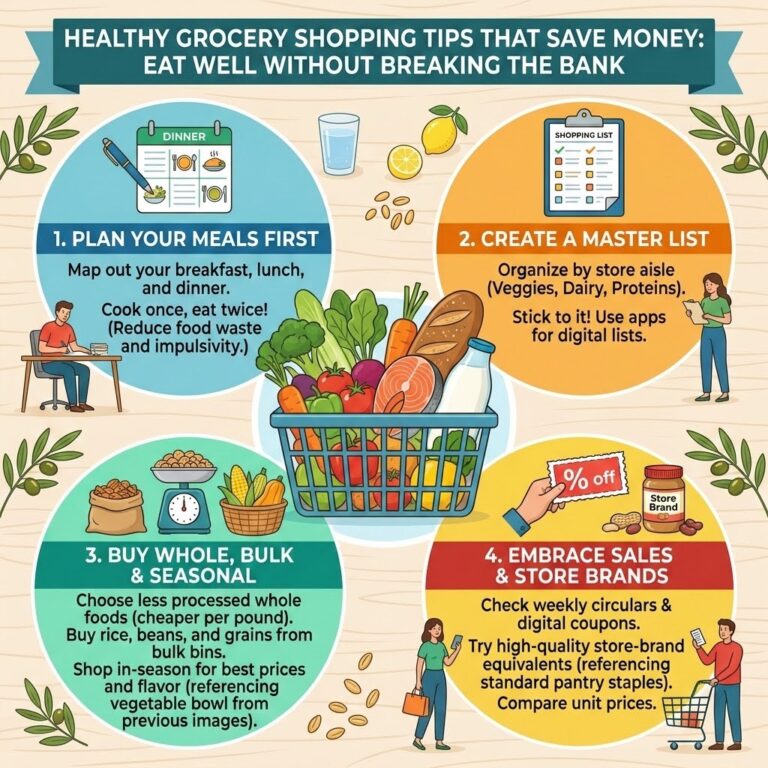
Organic doesn’t have to mean expensive. With smart strategies, you can incorporate the best organic foods to buy regularly without straining your budget.
- Shop seasonal: Organic produce is cheaper when in season. Visit local farmers’ markets for deals.
- Buy in bulk: Grains, legumes, nuts, and frozen items cost less per unit when purchased in larger quantities.
- Prioritize the “Dirty Dozen”: Focus your organic spending on the 12 produce items with the highest pesticide residues.
- Choose store brands: Many supermarkets offer affordable organic lines with the same quality as name brands.
- Grow your own: Herbs, lettuce, and tomatoes can be grown organically at home with minimal effort.
Key Takeaways: Build a Smarter Organic Routine
- Focus on organic versions of the “Dirty Dozen” produce items like spinach, strawberries, and apples.
- Prioritize organic dairy, eggs, and grains to reduce exposure to hormones, antibiotics, and heavy metals.
- Use frozen and canned organic options for convenience and cost savings.
- Buy in bulk, shop seasonally, and compare prices to make organic eating affordable.
- Even small changes—like switching to organic milk or eggs—can have a big impact over time.
FAQ: Your Questions About Organic Eating, Answered
Is it worth buying all organic food?
Not necessarily. Focus on the best organic foods to buy regularly—those with the highest pesticide residues or those you consume daily. For items on the “Clean Fifteen” list (like avocados and sweet corn), conventional versions are generally safe.
Are organic foods more nutritious?
Studies show mixed results, but organic foods often contain higher levels of certain antioxidants and lower levels of pesticides and heavy metals. The biggest benefit may be reduced chemical exposure rather than dramatic nutrient increases.
Can I trust organic labels?
Look for the USDA Organic seal, which ensures the product meets strict federal guidelines. Be cautious of terms like “natural” or “eco-friendly,” which aren’t regulated the same way.
Final Thoughts: Small Swaps, Big Results
You don’t need to overhaul your entire diet to benefit from organic eating. By consistently choosing the best organic foods to buy regularly, you’re making a proactive investment in your health and the planet.
Start with a few key items—like organic spinach, eggs, and berries—and gradually expand your list as your budget and habits allow. Over time, these small changes add up to a cleaner, more sustainable way of eating.
Remember: organic isn’t about perfection. It’s about progress. Every organic choice you make is a step toward a healthier you and a healthier world.
About the Author