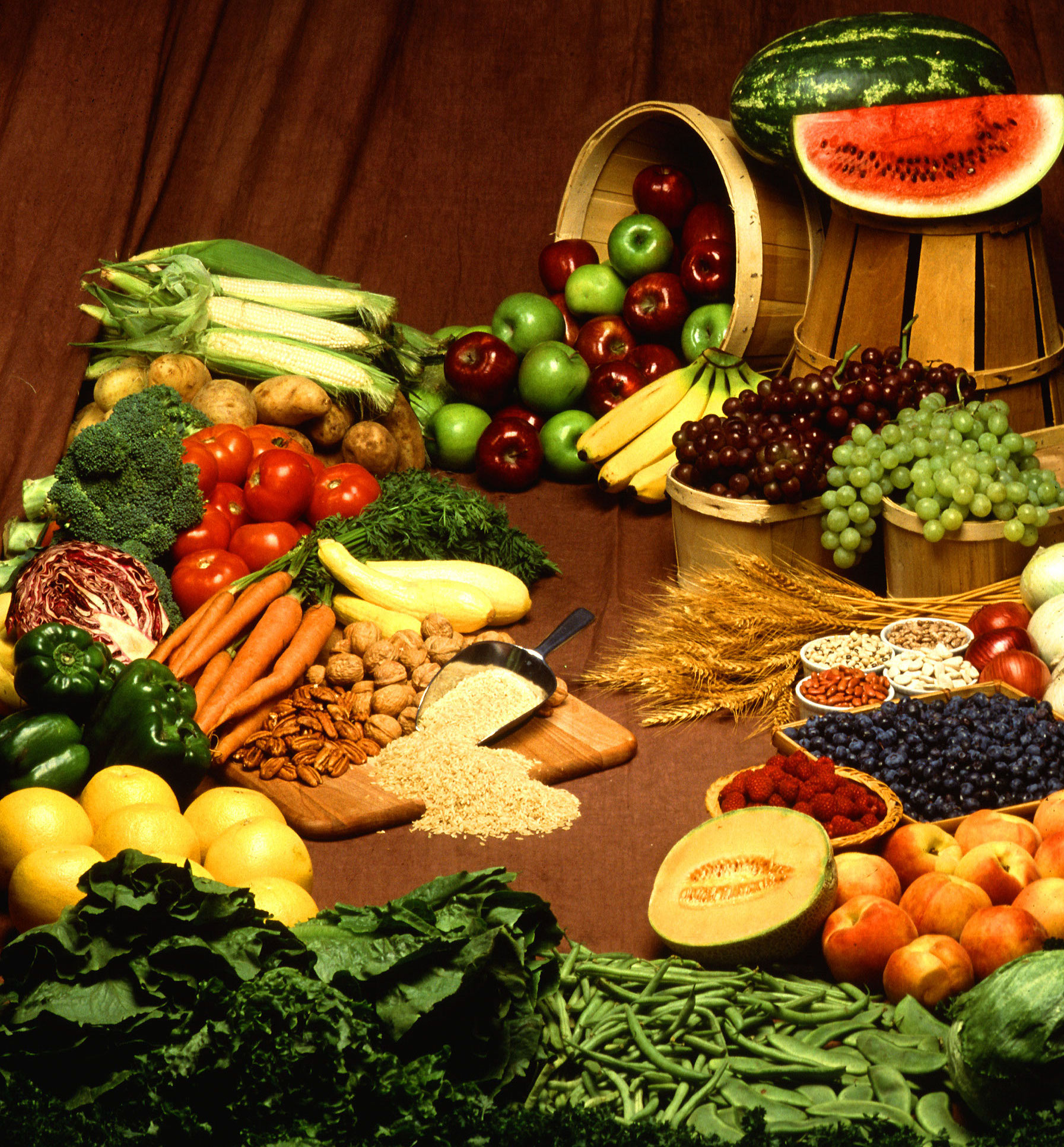
Did you know that what’s on your plate could be the most powerful medicine for your heart? Foods that help support heart health aren’t just a trend—they’re a science-backed strategy to reduce the risk of cardiovascular disease, lower blood pressure, and improve overall well-being. With heart disease remaining a leading cause of death globally, making smart dietary choices is no longer optional—it’s essential. The good news? Small, consistent changes in your eating habits can yield big results.
From leafy greens to omega-rich fish, certain foods naturally combat inflammation, regulate cholesterol, and keep arteries clear. This guide dives deep into the best heart-healthy foods, how they work, and how to easily incorporate them into your daily routine—without sacrificing flavor or satisfaction.
Why Heart-Healthy Foods Matter More Than You Think
Your heart works tirelessly, pumping blood and oxygen throughout your body every second of every day. But poor diet, stress, and inactivity can silently damage this vital organ over time. The good news? Nutrition is one of the most controllable factors in maintaining cardiovascular health.
Research consistently shows that diets rich in whole, unprocessed foods significantly reduce the risk of heart attacks, strokes, and high blood pressure. These foods help manage key risk factors like LDL (“bad”) cholesterol, triglycerides, and arterial plaque buildup. By choosing the right ingredients, you’re not just feeding your body—you’re protecting your heart for years to come.
Top Foods That Help Support Heart Health
Not all calories are created equal. When it comes to heart health, nutrient density matters more than calorie count. Below are the most effective foods proven to support cardiovascular function, backed by clinical studies and nutritional science.
1. Fatty Fish Rich in Omega-3s
Salmon, mackerel, sardines, and trout are loaded with omega-3 fatty acids—specifically EPA and DHA—which reduce inflammation, lower triglycerides, and help prevent irregular heartbeats.
Aim for at least two servings (about 3.5 ounces each) per week. If you’re not a fish lover, consider algae-based omega-3 supplements, which offer a plant-based alternative with similar benefits.
2. Leafy Green Vegetables
Spinach, kale, Swiss chard, and collard greens are packed with vitamins, minerals, and antioxidants—especially vitamin K, which helps protect arteries and promote proper blood clotting.
They’re also high in dietary nitrates, which have been shown to lower blood pressure and improve arterial flexibility. Add them to smoothies, salads, or sauté them with garlic for a heart-smart side dish.
3. Whole Grains
Oats, quinoa, brown rice, barley, and whole wheat provide soluble fiber, which helps reduce LDL cholesterol. Unlike refined grains, whole grains retain their bran and germ, offering more nutrients and slower digestion.
Studies show that people who eat three or more servings of whole grains daily have a significantly lower risk of heart disease. Swap white bread and pasta for whole-grain versions to make a simple yet powerful switch.
4. Berries
Blueberries, strawberries, raspberries, and blackberries are rich in anthocyanins—natural compounds that reduce oxidative stress and inflammation, both of which contribute to heart disease.
They’re also high in fiber, vitamin C, and potassium. Enjoy them fresh as a snack, blend into smoothies, or sprinkle over oatmeal for a sweet, heart-protective boost.
5. Nuts and Seeds
Almonds, walnuts, chia seeds, flaxseeds, and hemp seeds are excellent sources of healthy fats, fiber, and plant-based protein. Walnuts, in particular, are high in alpha-linolenic acid (ALA), a type of omega-3 that supports heart rhythm and vascular health.
A small handful (about 1 ounce) per day can improve cholesterol levels and reduce arterial stiffness. Just watch portion sizes—nuts are calorie-dense, so moderation is key.
6. Avocados
Often called a “superfood,” avocados are rich in monounsaturated fats, which help lower bad cholesterol while raising HDL (“good”) cholesterol. They’re also loaded with potassium—more than bananas—which helps regulate blood pressure.
Use mashed avocado as a spread instead of butter, add slices to salads, or blend into creamy dressings for a heart-healthy upgrade.
7. Legumes
Beans, lentils, chickpeas, and peas are affordable, versatile, and incredibly beneficial for heart health. They’re high in soluble fiber, plant protein, and resistant starch, all of which help stabilize blood sugar and reduce cholesterol.
Replacing red meat with legumes a few times a week can significantly lower your risk of heart disease. Try lentil soups, black bean tacos, or hummus with veggie sticks.
8. Tomatoes
Tomatoes are a rich source of lycopene, a powerful antioxidant linked to reduced risk of heart disease and stroke. Cooking tomatoes with a small amount of healthy fat (like olive oil) increases lycopene absorption.
Enjoy them in sauces, salads, or roasted as a side dish. Canned tomatoes are just as nutritious—opt for low-sodium versions when possible.
9. Dark Chocolate (Yes, Really!)
Good news for chocolate lovers: dark chocolate with at least 70% cocoa contains flavonoids that may improve blood flow, lower blood pressure, and reduce the risk of clotting.
Stick to one small square (about 1 ounce) per day and avoid sugary milk chocolate. Pair it with almonds for an extra heart-healthy treat.
10. Green Tea
Green tea is rich in catechins, antioxidants that help prevent cell damage and improve cholesterol levels. Regular consumption has been linked to lower risks of heart disease and stroke.
Swap sugary sodas or energy drinks for a cup of green tea. Add a squeeze of lemon to boost antioxidant absorption.
How to Build a Heart-Healthy Plate
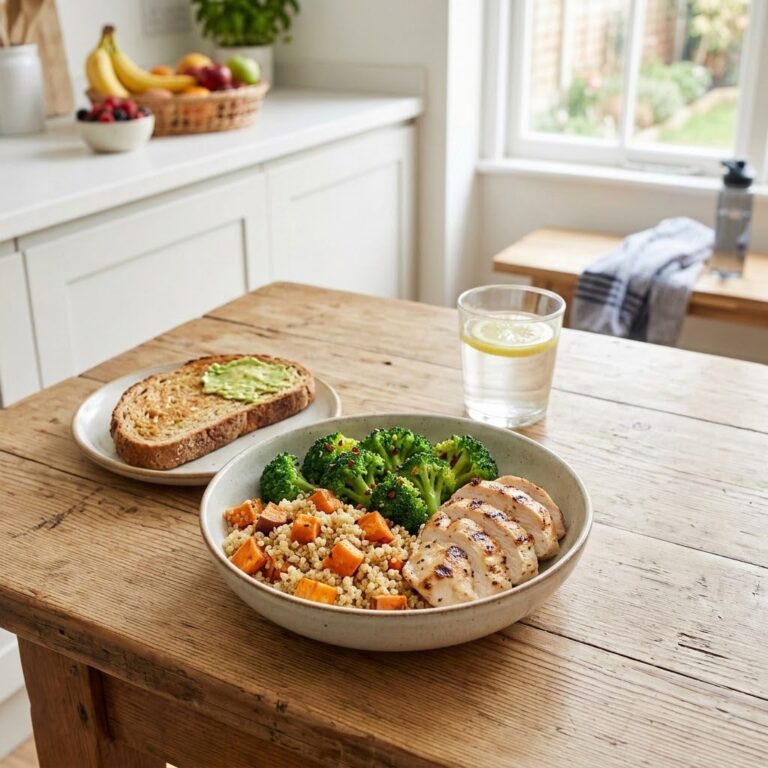
You don’t need a complete diet overhaul to start supporting your heart. Small, sustainable changes make the biggest difference over time. Here’s how to structure your meals for maximum cardiovascular benefit:
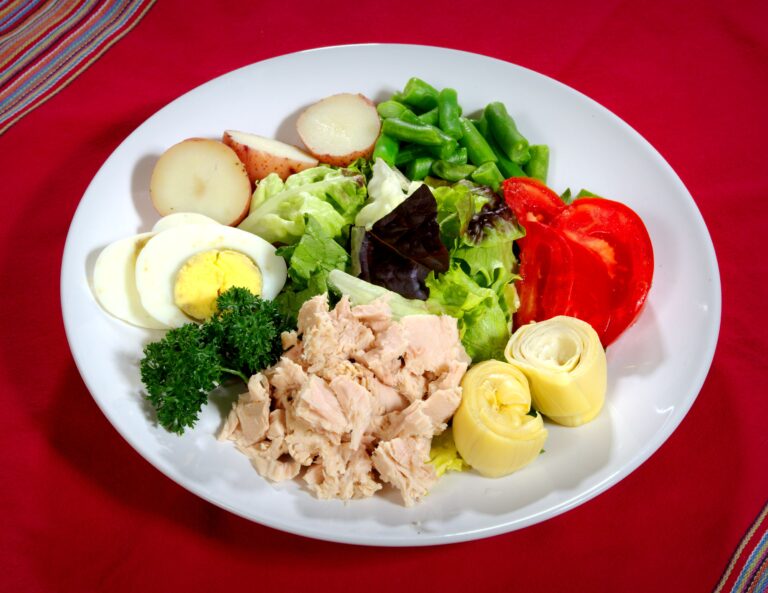
- Fill half your plate with vegetables and fruits—especially colorful, non-starchy options.
- Choose whole grains over refined ones for at least half your grain intake.
- Include lean proteins like fish, legumes, and skinless poultry.
- Add healthy fats from nuts, seeds, avocados, and olive oil.
- Limit processed foods, added sugars, and excess sodium.
Think of your diet as a long-term investment. Every meal is an opportunity to nourish your heart.
Foods to Limit or Avoid
While adding heart-healthy foods is crucial, it’s equally important to reduce or eliminate items that harm cardiovascular health. These include:
- Trans fats: Found in partially hydrogenated oils, fried foods, and many packaged snacks.
- Saturated fats: Common in fatty cuts of meat, full-fat dairy, and processed meats like bacon and sausage.
- Excess sodium: High intake is linked to high blood pressure. Aim for less than 2,300 mg per day.
- Added sugars: Sodas, candies, and sweetened cereals contribute to obesity and inflammation.
- Refined carbohydrates: White bread, pastries, and sugary drinks spike blood sugar and increase heart risk.
Reading food labels and cooking more meals at home are simple ways to avoid hidden culprits.
Key Takeaways: Simple Steps for a Healthier Heart
- Prioritize whole, minimally processed foods that support heart health.
- Include omega-3-rich fish, leafy greens, whole grains, and nuts regularly.
- Limit sodium, added sugars, and unhealthy fats to protect your arteries.
- Stay consistent—small daily choices add up to long-term benefits.
- Pair diet with regular physical activity and stress management for optimal results.
FAQ: Your Questions About Heart-Healthy Foods, Answored
Can I still eat meat if I want to support my heart health?
Yes, but choose wisely. Opt for lean cuts like skinless poultry, and limit red and processed meats. When you do eat meat, keep portions small and balance your plate with plenty of vegetables and whole grains. Fish, especially fatty fish, should be your go-to protein at least twice a week.
How much fiber do I need for heart health?
Adults should aim for 25 to 38 grams of fiber per day, depending on age and gender. Most people fall short, so focus on adding fiber-rich foods like beans, oats, berries, and vegetables gradually to avoid digestive discomfort.
Are supplements as effective as whole foods for heart health?
While supplements like fish oil or vitamin D can help fill gaps, they shouldn’t replace a balanced diet. Whole foods offer a complex mix of nutrients, fiber, and phytochemicals that work together synergistically—something no pill can fully replicate.
Making heart health a priority starts in the kitchen. By choosing foods that help support heart health, you’re not just preventing disease—you’re building a stronger, more vibrant life. Start small, stay consistent, and let every bite be a step toward a healthier heart.
About the Author