When it comes to staying hydrated, most people think of water first—but what if a simple, crunchy vegetable could do just as much for your body’s fluid balance? Cucumbers are great for hydration, and they’re not just a refreshing snack on a hot day. With over 95% water content, cucumbers are one of the most hydrating foods you can eat. Whether you’re an athlete, a busy professional, or someone trying to boost daily water intake, adding cucumbers to your diet is a smart, natural way to support optimal hydration.
The Science Behind Cucumber Hydration
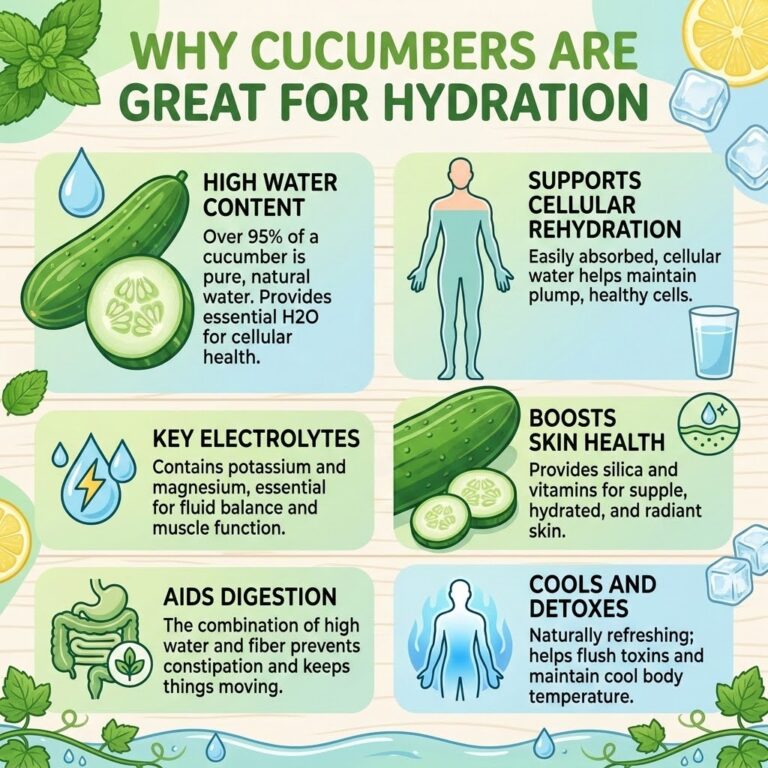
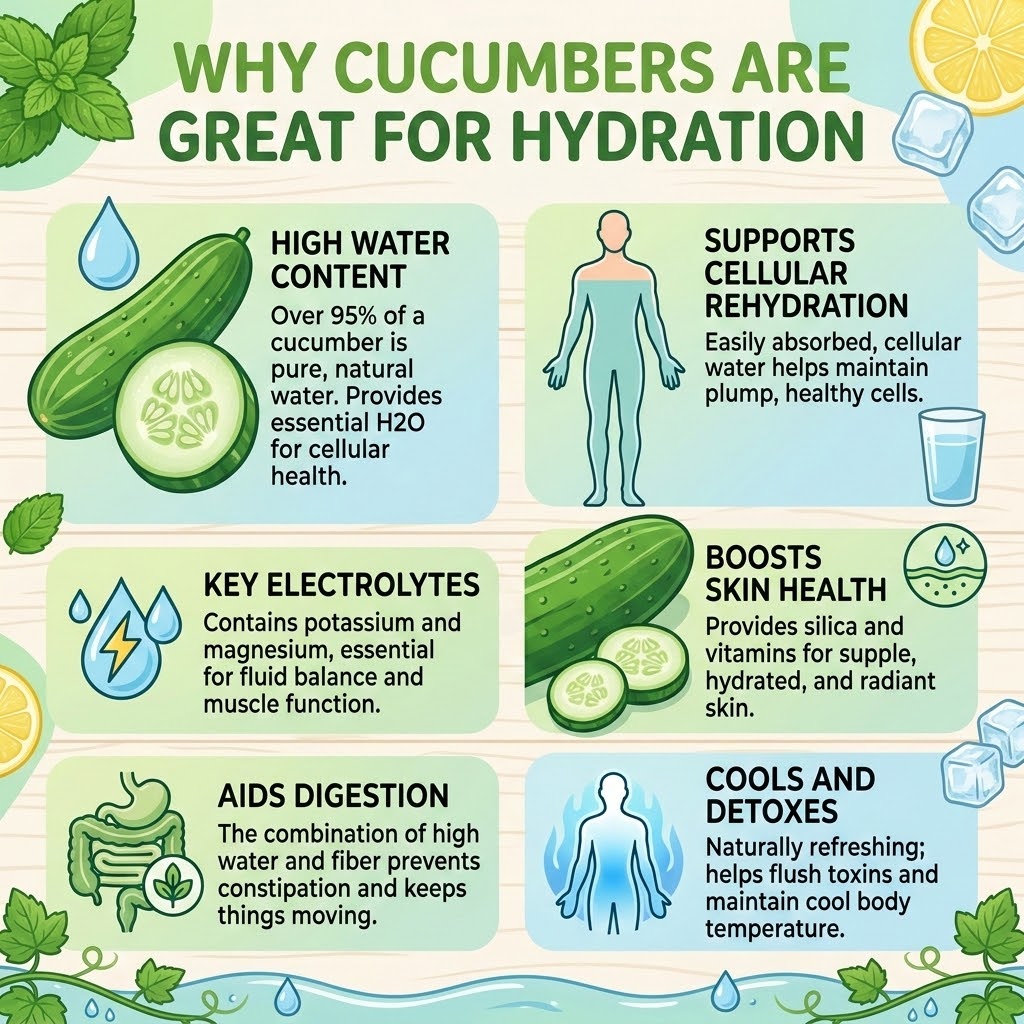
Cucumbers are made up of approximately 96% water, making them one of the most water-rich vegetables available. This high water content isn’t just about volume—it’s about bioavailability. The water in cucumbers is naturally balanced with electrolytes like potassium and magnesium, which help your body absorb and retain fluids more efficiently than plain water alone.
Unlike sugary sports drinks or artificially flavored waters, cucumbers provide hydration without added sugars, artificial colors, or preservatives. Their cellular structure releases water slowly into the bloodstream, promoting sustained hydration rather than a quick spike and crash. This slow-release effect supports steady energy levels and helps prevent dehydration during prolonged physical activity or hot weather.
Research shows that consuming water-rich foods like cucumbers can contribute significantly to your total daily fluid intake. In fact, about 20% of our daily hydration comes from food—and cucumbers are among the top contributors. Their natural composition supports kidney function, aids in toxin elimination, and helps maintain healthy blood pressure levels.
Electrolytes and Hydration: The Cucumber Advantage
Hydration isn’t just about water—it’s also about electrolytes. These minerals help regulate nerve function, muscle contractions, and fluid balance. Cucumbers contain key electrolytes, especially potassium and magnesium, in a natural, easily digestible form.
Potassium helps counterbalance sodium levels in the body, reducing water retention and supporting healthy blood pressure. Magnesium plays a role in over 300 enzymatic reactions, including those involved in energy production and muscle function. Together, these minerals enhance the body’s ability to absorb and use water effectively.
Unlike processed electrolyte drinks that often contain high levels of sodium and sugar, cucumbers offer a balanced, low-calorie source of these essential minerals. A single cup of sliced cucumber contains about 150 mg of potassium and 10 mg of magnesium—small but meaningful amounts that add up when included regularly in your diet.
How Cucumbers Compare to Other Hydrating Foods
While many fruits and vegetables contribute to hydration, cucumbers stand out for their exceptionally high water content and mild flavor. Let’s compare them to other popular hydrating options:
- Watermelon: Contains about 92% water and is rich in lycopene, but higher in natural sugars.
- Celery: Around 95% water, but lower in overall volume and harder to eat in large quantities.
- Lettuce: Up to 96% water, but often consumed in small servings with minimal nutritional impact.
- Cucumber: 96% water, low in calories, rich in skin-friendly silica, and easy to incorporate into meals.
Cucumbers offer a unique combination of high water content, low calorie density, and versatility. They’re also less likely to cause bloating or digestive discomfort compared to some other high-water vegetables, making them ideal for daily consumption.
Practical Ways to Use Cucumbers for Better Hydration
Incorporating cucumbers into your daily routine doesn’t require elaborate recipes. Their crisp texture and mild taste make them incredibly adaptable. Here are some simple, effective ways to boost your hydration with cucumbers:
- Infused Water: Add thin cucumber slices to a pitcher of water and let it sit for 1–2 hours. The result is a subtly flavored, refreshing drink that encourages more water consumption.
- Hydrating Snacks: Pair cucumber slices with hummus, tzatziki, or a sprinkle of sea salt for a low-calorie, high-satisfaction snack.
- Salads and Bowls: Toss diced cucumbers into grain bowls, green salads, or Mediterranean-inspired dishes for added crunch and moisture.
- Smoothies: Blend cucumber with coconut water, mint, and a splash of lemon for a hydrating, alkalizing drink.
- Cucumber Ice Cubes: Freeze small pieces of cucumber in ice cube trays and add them to drinks for a cooling, flavorful twist.
For best results, choose organic cucumbers when possible, especially if you plan to eat the skin. The peel contains additional fiber, antioxidants, and silica—a compound known to support skin, hair, and nail health.
Cucumbers and Skin Health: The Hydration Connection
Hydration plays a critical role in skin health, and cucumbers offer dual benefits—internal and topical. When consumed regularly, their high water content helps maintain skin elasticity, reduce puffiness, and support the body’s natural detoxification processes.
Silica, a trace mineral abundant in cucumbers, is essential for collagen production. Collagen is the protein that keeps skin firm and youthful. Regular intake of silica-rich foods like cucumbers may help reduce the appearance of fine lines and improve overall skin texture.
Many people also use cucumber slices topically to soothe puffy eyes or sunburned skin. While this provides temporary relief through cooling and mild anti-inflammatory effects, the real long-term benefits come from consistent internal hydration. Drinking cucumber-infused water or eating cucumbers daily supports skin from the inside out.
Athletes and Active Individuals: Why Cucumbers Belong in Your Routine
For athletes and physically active individuals, maintaining hydration is crucial for performance and recovery. Dehydration can lead to fatigue, cramps, dizziness, and reduced endurance. While sports drinks are often marketed as the go-to solution, cucumbers offer a natural, clean alternative.
After intense workouts, the body loses not only water but also electrolytes through sweat. Cucumbers help replenish both, especially potassium, which is vital for muscle recovery. Their low glycemic index means they won’t spike blood sugar, making them ideal for post-exercise refueling without the crash.
Many professional athletes and fitness coaches now recommend “food-first” hydration strategies. Instead of relying solely on beverages, they emphasize water-rich foods like cucumbers, zucchini, and oranges to support sustained fluid balance. This approach reduces dependency on processed drinks and supports overall metabolic health.
Hydration for Older Adults: A Gentle, Effective Solution
As we age, our sense of thirst diminishes, making dehydration a common but often overlooked issue. Older adults are more susceptible to heat-related illnesses, urinary tract infections, and kidney problems—all of which can be exacerbated by inadequate fluid intake.
Cucumbers offer a gentle, appealing way to increase hydration without the need for large volumes of liquid. Their mild taste and soft texture make them easy to eat, even for those with dental issues or reduced appetite. Sliced cucumbers can be added to soups, purees, or light meals to boost moisture content without altering flavor significantly.
Caregivers and family members can encourage hydration by serving cucumber-based snacks or infused water throughout the day. Because cucumbers are low in sodium and easy to digest, they’re a safe choice for individuals with dietary restrictions or chronic conditions like hypertension.
Key Takeaways
- Cucumbers are over 95% water, making them one of the most hydrating vegetables available.
- They contain natural electrolytes like potassium and magnesium, which enhance fluid absorption and retention.
- Unlike sugary drinks, cucumbers provide clean hydration without added calories or artificial ingredients.
- They support skin health, muscle function, and overall well-being through internal hydration.
- Easy to incorporate into meals, snacks, and beverages for daily hydration support.
FAQ
Can cucumbers replace water for hydration?
While cucumbers are excellent for hydration, they should complement—not replace—water intake. Aim to drink plenty of water daily and use cucumbers as a natural boost to your overall fluid consumption.
How much cucumber should I eat daily for hydration benefits?
There’s no strict rule, but consuming 1–2 cups of sliced cucumber per day can significantly contribute to your hydration goals. This amount provides meaningful water and electrolyte intake without excess calories.
Are pickled cucumbers as hydrating as fresh ones?
Pickled cucumbers retain some water content but are higher in sodium due to the brining process. While they can still contribute to hydration, fresh cucumbers are a better choice for optimal fluid balance and lower sodium intake.
About the Author