Want to feel more energized, sleep better, and live longer? The secret isn’t complicated—it’s about adopting the best healthy habits for a better lifestyle. These aren’t extreme diets or grueling workouts. Instead, they’re small, sustainable changes that add up over time. Whether you’re just starting your wellness journey or looking to refine your routine, these evidence-based habits can transform your physical, mental, and emotional well-being.
Living a healthier life doesn’t require perfection. It’s about consistency, awareness, and making choices that support your long-term goals. From what you eat to how you move and rest, every decision shapes your lifestyle. This guide breaks down the most effective healthy habits—backed by science—that anyone can integrate into daily life.
Why Healthy Habits Matter More Than Quick Fixes
Many people chase quick results—fad diets, detox teas, or intense 30-day challenges. But these rarely last. True wellness comes from building routines that stick. Healthy habits create a foundation for lasting change, reducing the risk of chronic diseases like diabetes, heart disease, and depression.
Think of your lifestyle as a garden. Quick fixes are like pulling weeds—they offer temporary relief. But healthy habits? They’re planting seeds, watering daily, and nurturing growth. Over time, they yield stronger immunity, sharper focus, and greater emotional balance.
Top 10 Best Healthy Habits for a Better Lifestyle
1. Prioritize Balanced Nutrition
What you eat fuels your body and mind. Focus on whole, minimally processed foods: fruits, vegetables, lean proteins, whole grains, and healthy fats. Avoid sugary drinks and excessive refined carbs.
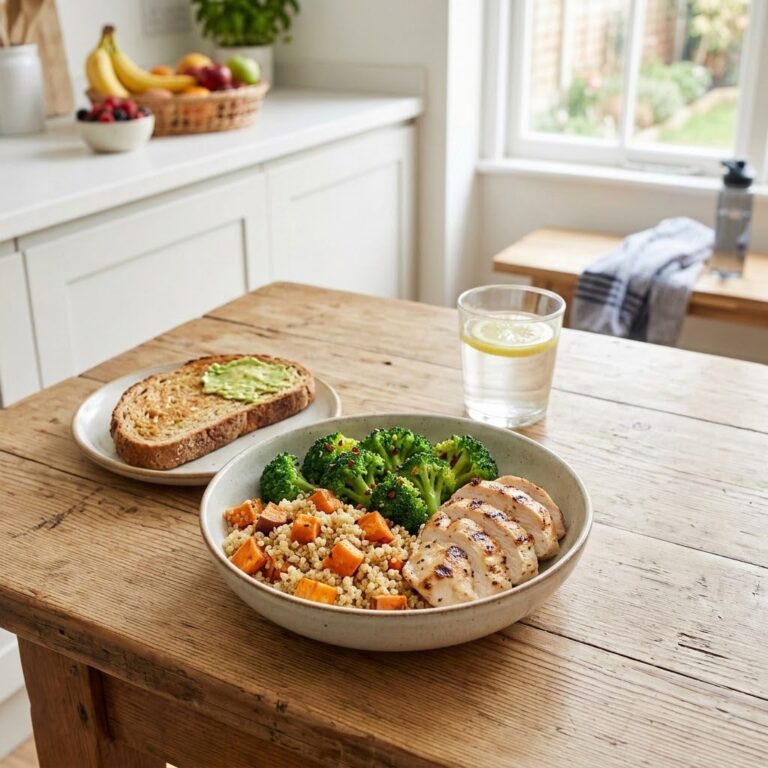
A balanced plate includes colorful vegetables, a palm-sized portion of protein, and complex carbs like quinoa or sweet potatoes. This supports stable energy, gut health, and long-term weight management.
2. Stay Hydrated Throughout the Day
Dehydration can cause fatigue, headaches, and poor concentration. Aim for at least 8 glasses of water daily, more if you’re active or in a hot climate.
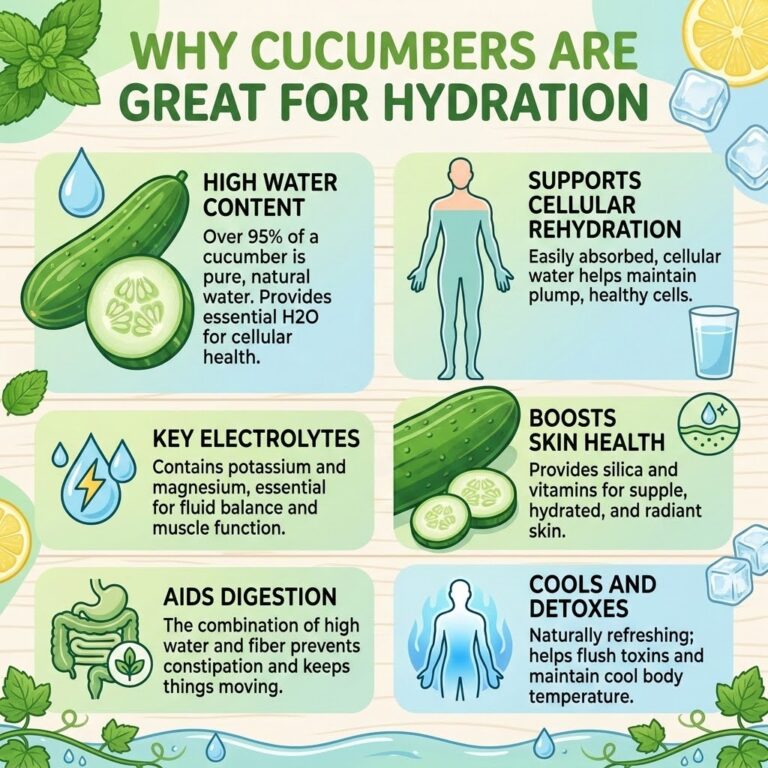
Keep a reusable water bottle nearby as a visual reminder. Add lemon, cucumber, or mint for natural flavor without added sugar.
3. Move Your Body Daily
You don’t need hours at the gym. Just 30 minutes of moderate activity—like brisk walking, cycling, or dancing—most days of the week improves heart health, mood, and metabolism.
Find movement you enjoy. Consistency beats intensity. Even short bursts of activity, like taking the stairs or stretching during TV breaks, count.
4. Get Quality Sleep Every Night
Sleep is when your body repairs itself. Aim for 7–9 hours of uninterrupted sleep. Poor sleep weakens immunity, increases stress, and impairs decision-making.
Create a bedtime routine: dim lights, avoid screens an hour before bed, and keep your room cool and dark. Stick to a consistent sleep schedule, even on weekends.
5. Practice Mindful Eating
Mindful eating means paying attention to hunger cues, eating slowly, and savoring each bite. It helps prevent overeating and improves digestion.
Turn off distractions during meals. Put your fork down between bites. Ask yourself: Am I still hungry, or just eating out of habit?
6. Manage Stress with Intention
Chronic stress harms your body and mind. Incorporate stress-reducing practices like deep breathing, journaling, or spending time in nature.
Try the 4-7-8 breathing technique: inhale for 4 seconds, hold for 7, exhale for 8. Repeat 3–4 times. It calms the nervous system instantly.
7. Build Strong Social Connections
Human connection is vital for mental health. Strong relationships reduce loneliness, boost happiness, and even increase lifespan.
Schedule regular check-ins with friends or family. Join a club, volunteer, or attend community events. Quality matters more than quantity.
8. Limit Screen Time and Digital Overload
Excessive screen use—especially before bed—disrupts sleep and increases anxiety. Set boundaries: no phones during meals or the first hour after waking.
Use apps that track screen time or enable “Do Not Disturb” modes. Replace scrolling with reading, walking, or creative hobbies.
9. Practice Gratitude Daily
Gratitude shifts your focus from what’s lacking to what’s abundant. It reduces stress, improves sleep, and enhances overall life satisfaction.
Keep a gratitude journal. Each night, write down three things you’re thankful for—big or small. Over time, this rewires your brain for positivity.
10. Schedule Regular Health Check-Ups
Prevention is better than cure. Annual check-ups, dental visits, and screenings catch issues early when they’re most treatable.
Don’t wait for symptoms. Stay up to date on vaccinations, blood pressure checks, and age-appropriate cancer screenings.
How to Build and Maintain Healthy Habits
Starting is easy. Sticking with it? That’s the real challenge. The key is to start small and build momentum.
Choose one habit to focus on for 21 days. Use a habit tracker or app to monitor progress. Celebrate small wins—they reinforce motivation.
Pair new habits with existing routines. For example, drink a glass of water right after brushing your teeth. This “habit stacking” makes adoption easier.
Be kind to yourself. Slip-ups happen. Instead of quitting, reflect: What triggered the setback? How can you adjust? Progress, not perfection, is the goal.
Common Mistakes to Avoid
- Trying to change everything at once: Overhauling your life overnight leads to burnout. Focus on one or two habits at a time.
- Ignoring mental health: Physical health and mental well-being are deeply connected. Don’t neglect stress, anxiety, or emotional needs.
- Relying on motivation alone: Motivation fades. Build systems—like routines and reminders—that work even when you don’t feel like it.
- Comparing yourself to others: Everyone’s journey is different. Focus on your progress, not someone else’s highlight reel.
Key Takeaways
- The best healthy habits for a better lifestyle are simple, sustainable, and science-backed.
- Small, consistent actions—like drinking water, moving daily, and sleeping well—create lasting change.
- Habits work best when integrated into your daily routine and supported by a positive mindset.
- Prioritize both physical and mental well-being for a truly balanced life.
FAQ: Your Questions About Healthy Habits, Answered
How long does it take to form a new healthy habit?
Research suggests it takes an average of 66 days to form a new habit, though this varies by person and complexity. The key is consistency, not speed. Start small and stick with it.
Can I still enjoy treats while living a healthy lifestyle?
Absolutely. A healthy lifestyle isn’t about deprivation—it’s about balance. Enjoy treats mindfully and in moderation. The 80/20 rule (80% nutritious foods, 20% flexibility) works well for most people.
What if I miss a day or slip up?
Missing a day doesn’t ruin your progress. Healthy habits are about long-term patterns, not daily perfection. Reflect, recommit, and move forward without guilt.
Final Thoughts: Your Health, Your Choice
You have the power to shape your lifestyle—one habit at a time. The best healthy habits for a better lifestyle aren’t about being perfect. They’re about showing up, making better choices, and caring for yourself with kindness.
Start today. Pick one habit from this list and commit to it for the next week. Notice how you feel. Then add another. Over time, these small steps will lead to big transformations—more energy, clearer thinking, and a deeper sense of well-being.
Your future self will thank you.
About the Author