Are you tired of feeling hungry an hour after eating? You’re not alone. Many people struggle with constant cravings and energy crashes, especially when trying to eat healthier or manage their weight. The secret lies in choosing healthy foods that keep you full longer—nutrient-dense options that stabilize blood sugar, reduce hunger hormones, and support sustained energy throughout the day.
These foods aren’t just about volume; they’re about quality. They combine fiber, protein, healthy fats, and complex carbohydrates to slow digestion and promote satiety. Whether you’re aiming to lose weight, maintain energy, or simply avoid mid-afternoon snack attacks, incorporating these filling foods into your meals can make a noticeable difference.
Why Satiety Matters for Your Health
Satiety—the feeling of fullness after eating—is more than just comfort. It plays a crucial role in appetite regulation, metabolic health, and long-term weight management. When you eat foods that keep you full longer, you’re less likely to overeat, graze mindlessly, or reach for sugary snacks.
Research shows that high-satiety foods can reduce overall calorie intake without the need for strict dieting. This is because they trigger hormonal signals—like leptin and peptide YY—that tell your brain you’ve had enough. In contrast, processed foods high in refined sugars and fats often lead to rapid spikes and crashes in blood sugar, leaving you hungry again soon after.
Choosing the right foods isn’t about deprivation. It’s about making smarter choices that naturally support your body’s hunger cues.
Top Healthy Foods That Keep You Full Longer
Not all calories are created equal. Some foods deliver more staying power than others. Here are the most effective, science-backed options that promote long-lasting fullness:
1. Eggs
Eggs are a powerhouse of protein and healthy fats. A single large egg contains about 6 grams of high-quality protein, which helps regulate appetite hormones. Studies show that eating eggs for breakfast leads to reduced calorie intake throughout the day compared to carb-heavy alternatives like bagels.
Their combination of protein and fat slows gastric emptying, meaning food stays in your stomach longer. This extended digestion time keeps hunger at bay and supports stable energy levels.
2. Oats
Oats are rich in a soluble fiber called beta-glucan, which forms a gel-like substance in the gut. This slows digestion and increases the production of satiety hormones.
A warm bowl of oatmeal in the morning not only keeps you full for hours but also supports heart health and blood sugar control. Opt for steel-cut or rolled oats instead of instant varieties, which often contain added sugars and have a lower fiber content.
3. Greek Yogurt
Greek yogurt is significantly higher in protein than regular yogurt—often containing double the amount. This high protein content makes it one of the most filling dairy options available.
Choose plain, unsweetened Greek yogurt and add your own fruit or a drizzle of honey to avoid added sugars. The probiotics in yogurt also support gut health, which is increasingly linked to appetite regulation and metabolism.
4. Legumes (Beans, Lentils, Chickpeas)
Legumes are nutritional superstars. Packed with both protein and fiber, they take longer to digest and help stabilize blood sugar levels. A single cup of cooked lentils provides around 18 grams of protein and 16 grams of fiber.
Their low glycemic index means they release energy slowly, preventing the rapid insulin spikes that can trigger hunger. Add them to soups, salads, or grain bowls for a satisfying, plant-based meal.
5. Avocados
Avocados are rich in monounsaturated fats, which are not only heart-healthy but also promote satiety. Their creamy texture and mild flavor make them easy to incorporate into both sweet and savory dishes.
Research suggests that adding half an avocado to a meal can increase feelings of fullness by up to 23% for several hours. They’re also a great source of potassium and fiber, supporting overall metabolic function.
6. Quinoa
Unlike many grains, quinoa is a complete protein, containing all nine essential amino acids. It’s also high in fiber and has a low glycemic index, making it an excellent choice for sustained energy.
Replacing white rice or pasta with quinoa can significantly increase meal satisfaction and reduce post-meal snacking. It works well in salads, stir-fries, or as a side dish.
7. Nuts and Seeds
Almonds, walnuts, chia seeds, and flaxseeds are rich in protein, healthy fats, and fiber—three key nutrients for satiety. Just a small handful can curb hunger for hours.
However, portion control is important. Nuts are calorie-dense, so stick to a serving size of about 1 ounce (a small handful). They’re perfect as a snack or sprinkled over yogurt and salads.
8. Lean Proteins (Chicken, Turkey, Fish)
Protein is the most satiating macronutrient. Including a source of lean protein in every meal helps maintain muscle mass and reduces overall calorie intake.
Grilled chicken breast, baked salmon, or turkey slices are excellent choices. Fatty fish like salmon also provide omega-3 fatty acids, which have been linked to reduced inflammation and improved brain health.
9. Vegetables (Especially Leafy Greens and Cruciferous Veggies)
Vegetables are low in calories but high in volume and fiber. This means you can eat a large portion without consuming many calories, which helps fill your stomach and trigger stretch receptors that signal fullness.
Spinach, kale, broccoli, and Brussels sprouts are particularly effective. They’re also rich in vitamins, minerals, and antioxidants that support overall health.
10. Soups and Broths
Liquid meals like vegetable soups or broths can be surprisingly filling. The water content adds volume without adding calories, which helps stretch the stomach and activate satiety signals.
Opt for broth-based soups with plenty of vegetables and lean protein. Avoid creamy, high-fat versions that may be calorie-dense without offering extra fullness.
How to Build Meals That Keep You Full
It’s not just about individual foods—it’s about how you combine them. A balanced meal that includes protein, fiber, and healthy fats will keep you satisfied far longer than a meal high in refined carbs.
Here’s a simple formula for building filling meals:
- Start with protein: Include a palm-sized portion of lean meat, fish, eggs, tofu, or legumes.
- Add fiber-rich carbs: Choose whole grains, starchy vegetables, or legumes.
- Incorporate healthy fats: Add avocado, nuts, seeds, or olive oil.
- Fill half your plate with vegetables: Aim for color and variety to boost nutrient intake.
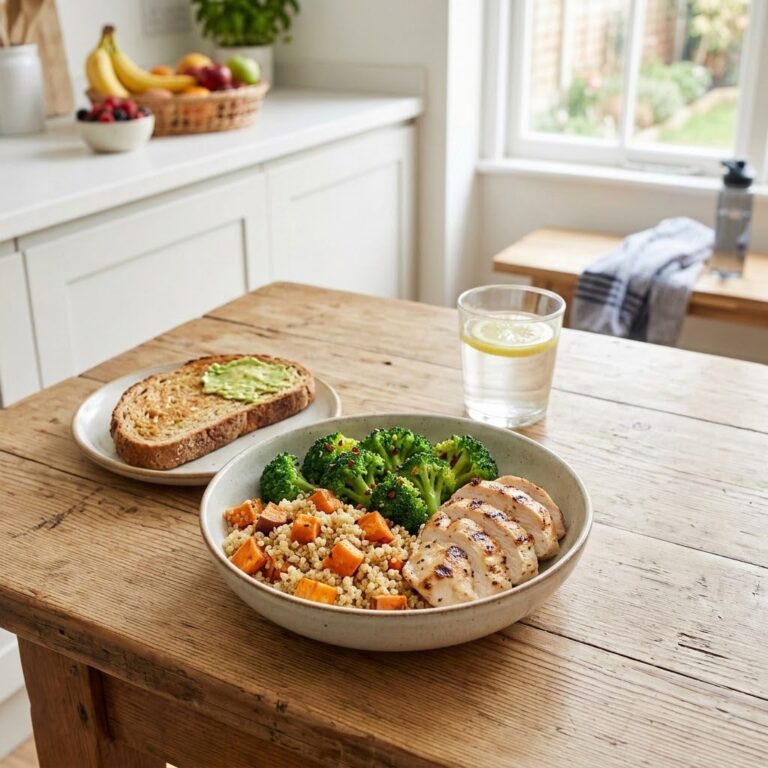
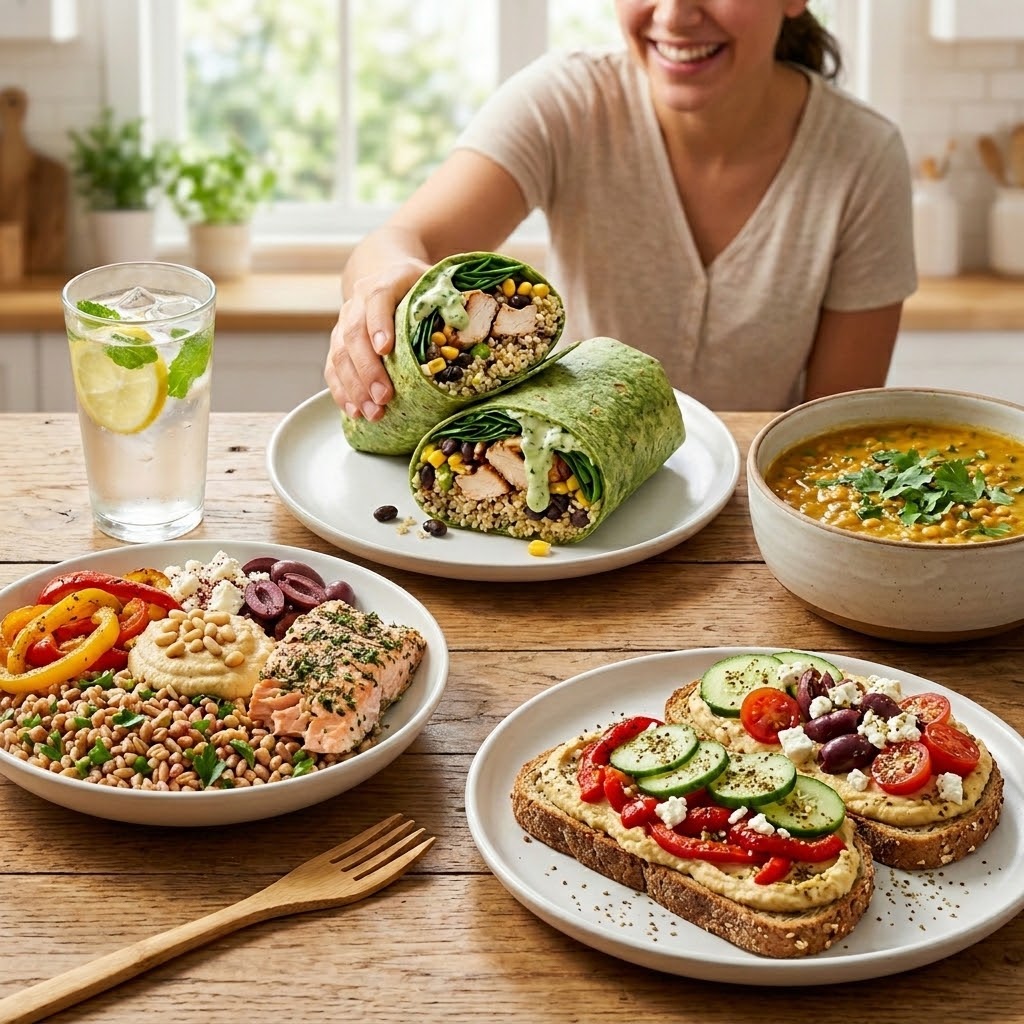
For example, a lunch of grilled chicken, quinoa, roasted broccoli, and a drizzle of olive oil checks all the boxes for satiety and nutrition.
Common Mistakes That Reduce Fullness
Even with the right foods, certain habits can undermine your efforts to stay full:
- Skipping meals: This often leads to overeating later. Regular meals help regulate appetite.
- Drinking calories: Sugary drinks and even fruit juices lack fiber and don’t trigger fullness signals like solid food.
- Eating too quickly: It takes about 20 minutes for your brain to register fullness. Slow down and chew thoroughly.
- Low water intake: Thirst is often mistaken for hunger. Stay hydrated throughout the day.
Mindful eating—paying attention to hunger and fullness cues—can also improve your relationship with food and prevent overeating.
Key Takeaways
- Focus on healthy foods that keep you full longer, such as eggs, oats, Greek yogurt, legumes, and lean proteins.
- Combine protein, fiber, and healthy fats in every meal to maximize satiety.
- Avoid processed foods and sugary drinks that lead to rapid hunger.
- Eat slowly, stay hydrated, and maintain regular meal times.
- Small, consistent changes in your diet can lead to lasting improvements in energy and appetite control.
FAQ
What foods make you feel full the longest?
Foods high in protein and fiber—like eggs, Greek yogurt, lentils, and oats—tend to keep you full the longest. They slow digestion and help regulate hunger hormones.
Can drinking water help you feel full?
Yes, drinking water before meals can temporarily increase fullness and may help reduce calorie intake. However, it’s most effective when combined with nutrient-dense foods.
Are high-fat foods good for satiety?
Healthy fats like those in avocados, nuts, and olive oil can enhance fullness when consumed in moderation. However, they’re calorie-dense, so portion control is key.
Choosing the right foods doesn’t have to be complicated. By focusing on whole, minimally processed options that combine protein, fiber, and healthy fats, you can naturally stay full, energized, and satisfied throughout the day. Start small—swap one meal or snack this week with a more filling alternative—and notice the difference in your hunger levels and overall well-being.
About the Author