Struggling with breakouts, dullness, or uneven texture? You’re not alone—and the solution might already be in your kitchen. The best foods to eat for clear skin aren’t just a wellness trend; they’re scientifically backed powerhouses that nourish your body from the inside out. What you eat directly impacts your skin’s health, influencing everything from oil production to inflammation and cell regeneration. By making smart dietary choices, you can achieve a naturally glowing, blemish-free complexion without relying solely on topical treatments.
This guide dives deep into the most effective, nutrient-dense foods proven to support clear, healthy skin. We’ll explore how specific vitamins, antioxidants, and healthy fats work to reduce acne, calm irritation, and promote collagen production. Whether you’re dealing with hormonal breakouts, dry patches, or just want to maintain a youthful glow, these foods are your secret weapon.
Why Diet Matters More Than You Think for Clear Skin
Your skin is the largest organ in your body—and it reflects your internal health. While skincare routines play a role, what you consume daily has a far greater long-term impact. Diets high in processed sugars, refined carbs, and unhealthy fats can trigger inflammation, clog pores, and worsen conditions like acne and rosacea.
On the flip side, a diet rich in whole, unprocessed foods delivers essential nutrients that support skin repair, hydration, and protection against environmental damage. Think of your plate as your skincare regimen: every bite either feeds your glow or fuels breakouts.
Research shows that low-glycemic diets—those that avoid blood sugar spikes—are strongly linked to reduced acne severity. Similarly, foods high in antioxidants help neutralize free radicals that accelerate aging and cause oxidative stress in skin cells.
The Science Behind Food and Skin Health
Several key nutrients play a critical role in maintaining clear skin:
- Vitamin A: Regulates cell turnover and prevents clogged pores. Found in sweet potatoes, carrots, and leafy greens.
- Vitamin C: A potent antioxidant that brightens skin and boosts collagen synthesis. Citrus fruits, bell peppers, and strawberries are top sources.
- Vitamin E: Protects skin from UV damage and supports moisture retention. Nuts, seeds, and avocados are excellent choices.
- Omega-3 fatty acids: Reduce inflammation and keep the skin barrier strong. Fatty fish, flaxseeds, and walnuts are rich in these healthy fats.
- Zinc: Helps control oil production and has antimicrobial properties. Pumpkin seeds, lentils, and chickpeas are great plant-based options.
Top 10 Best Foods to Eat for Clear Skin
Now that you understand the connection between nutrition and skin health, let’s explore the most effective foods to include in your daily diet. These aren’t just trendy superfoods—they’re clinically supported choices that deliver real results.
1. Fatty Fish (Salmon, Mackerel, Sardines)
Fatty fish are among the best foods to eat for clear skin due to their high omega-3 content. These essential fatty acids reduce inflammation, which is a major contributor to acne and redness. Omega-3s also help maintain the skin’s lipid barrier, keeping it hydrated and less prone to irritation.
Salmon, in particular, is rich in astaxanthin—a carotenoid with powerful antioxidant effects that may improve skin elasticity and reduce signs of aging. Aim for two to three servings per week to see noticeable improvements in skin texture and clarity.
2. Avocados
Creamy, satisfying, and packed with healthy fats, avocados are a skin-loving superfood. They’re loaded with monounsaturated fats that support skin elasticity and vitamin E, which protects against oxidative damage.
Avocados also contain lutein and zeaxanthin—antioxidants that help shield skin from UV rays and environmental pollutants. Add half an avocado to your morning toast or blend it into a green smoothie for a hydrating, glow-boosting snack.
3. Walnuts
Walnuts are one of the few plant sources of omega-3 fatty acids, making them a great alternative for vegetarians and vegans. They’re also rich in zinc, which helps regulate sebum production and fight acne-causing bacteria.
A small handful of walnuts makes a perfect afternoon snack. Their combination of protein, fiber, and healthy fats keeps you full while supporting skin repair overnight.
4. Sweet Potatoes
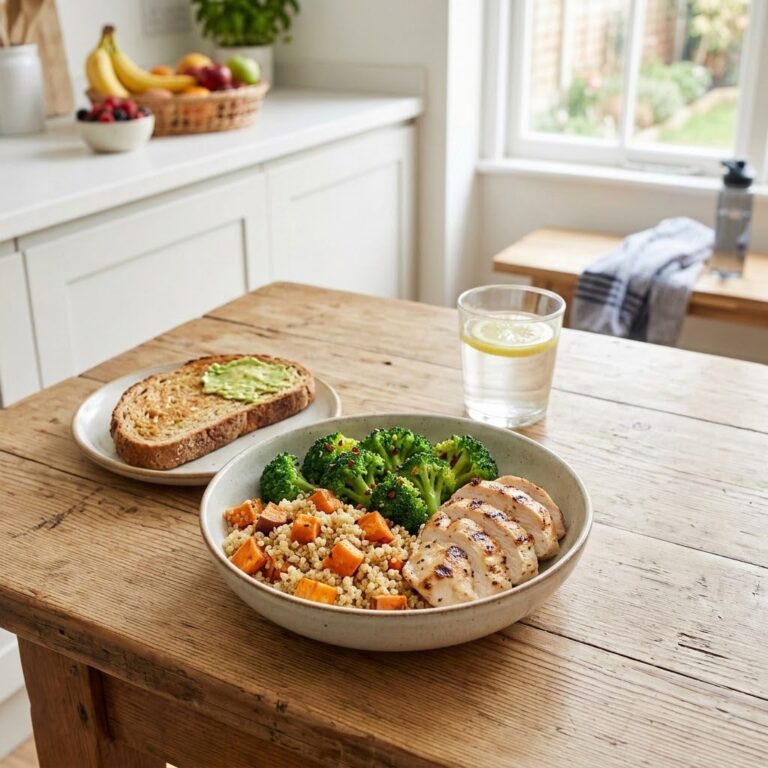
Sweet potatoes are a vitamin A powerhouse. Your body converts beta-carotene—the pigment that gives them their orange hue—into retinol, a form of vitamin A essential for skin cell turnover.
Regular consumption can help prevent dead skin cells from clogging pores, reducing the likelihood of blackheads and whiteheads. Bake, roast, or mash them for a delicious, skin-friendly side dish.
5. Green Tea
Green tea isn’t just a soothing beverage—it’s a skin detoxifier. It’s rich in catechins, antioxidants that reduce inflammation and may inhibit the growth of acne-causing bacteria.
Drinking 2–3 cups daily can help calm redness, minimize pores, and protect against sun damage. For an extra boost, try using cooled green tea as a toner or face mist.
6. Blueberries
These tiny berries are bursting with antioxidants, particularly anthocyanins, which give them their deep blue color. Antioxidants combat free radicals that break down collagen and cause premature aging.
Blueberries also have a low glycemic index, meaning they won’t spike your blood sugar—unlike sugary snacks that can trigger breakouts. Toss them into yogurt, oatmeal, or smoothies for a sweet, skin-protecting treat.
7. Spinach and Leafy Greens
Dark leafy greens like spinach, kale, and Swiss chard are nutritional goldmines. They’re rich in vitamins A, C, and E, as well as folate and iron—all of which support skin repair and oxygenation.
Spinach, in particular, contains lutein, which helps maintain skin hydration and elasticity. Add a handful to salads, soups, or scrambled eggs for a nutrient-packed meal.
8. Greek Yogurt (Unsweetened)
Probiotic-rich Greek yogurt supports gut health, which is closely linked to skin clarity. A balanced gut microbiome reduces systemic inflammation and may help prevent acne flare-ups.
Choose plain, unsweetened varieties to avoid added sugars that can worsen breakouts. Top with fresh fruit and a sprinkle of chia seeds for a satisfying, skin-friendly breakfast.
9. Tomatoes
Tomatoes are rich in lycopene, an antioxidant that gives them their red color and protects skin from UV damage. Studies suggest that regular tomato consumption can improve skin’s natural sun protection and reduce redness.
Enjoy them raw in salads, roasted in dishes, or blended into sauces. Cooking tomatoes actually increases lycopene bioavailability, so don’t skip the cooked versions.
10. Water-Rich Foods (Cucumbers, Watermelon, Celery)
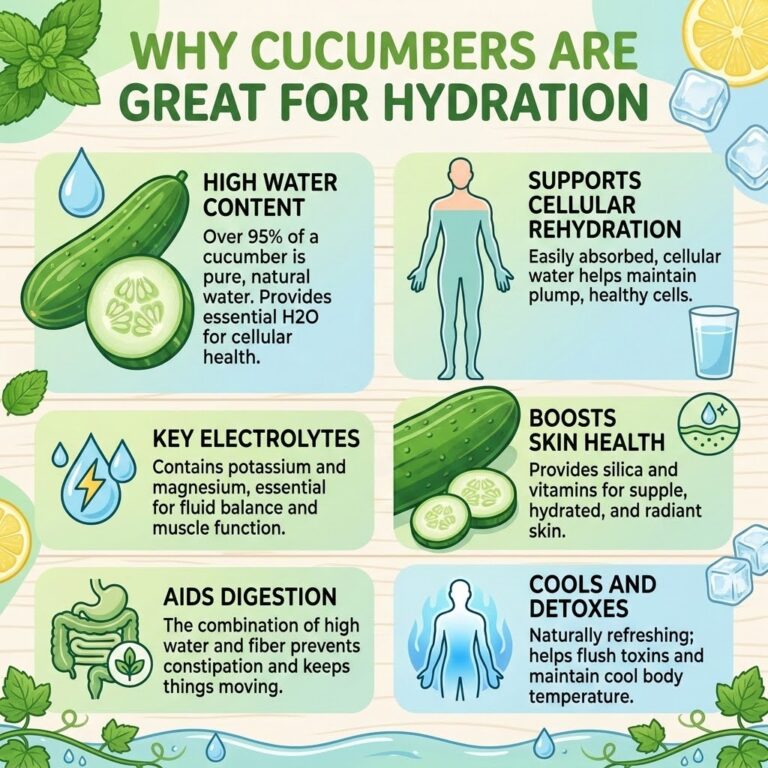
Hydration is key to plump, clear skin—and you don’t need to rely solely on drinking water. Foods with high water content help maintain skin moisture from within.
Cucumbers are over 95% water and contain silica, a mineral that supports collagen production. Watermelon provides hydration plus lycopene, while celery offers electrolytes and anti-inflammatory compounds.
Foods to Avoid for Clear Skin
Just as important as what you eat is what you avoid. Certain foods can sabotage your skin goals by triggering inflammation, spiking insulin, or disrupting hormones.
- High-glycemic foods: White bread, pastries, sugary cereals, and soda cause rapid blood sugar spikes, leading to increased oil production and breakouts.
- Dairy (for some): While not problematic for everyone, dairy—especially skim milk—has been linked to acne in some studies due to its hormonal content.
- Processed and fried foods: These are high in trans fats and advanced glycation end products (AGEs), which accelerate aging and inflammation.
- Excess sugar and refined carbs: They feed harmful gut bacteria and promote insulin resistance, both of which negatively impact skin health.
Key Takeaways: Build Your Clear Skin Diet
- Focus on whole, unprocessed foods rich in antioxidants, healthy fats, and essential vitamins.
- Include fatty fish, leafy greens, berries, and nuts regularly to support skin repair and reduce inflammation.
- Stay hydrated with water and water-rich foods like cucumbers and watermelon.
- Avoid high-glycemic and processed foods that can trigger breakouts and premature aging.
- Combine a skin-friendly diet with consistent sleep, stress management, and a gentle skincare routine for best results.
FAQ: Your Questions About Clear Skin Nutrition
Can changing my diet really clear up my skin?
Yes—especially if your breakouts are linked to inflammation, hormonal imbalances, or poor gut health. While diet isn’t a cure-all, studies consistently show that nutrient-dense, anti-inflammatory foods can significantly improve skin clarity over time.
How long does it take to see results from eating for clear skin?
Most people notice improvements within 4 to 8 weeks of consistent dietary changes. Skin cell turnover takes about 28 days, so give your body time to respond. Patience and consistency are key.
Are supplements necessary for clear skin?
Not necessarily. A balanced diet should provide most of the nutrients your skin needs. However, if you have deficiencies (e.g., in vitamin D or zinc), supplements may help—but always consult a healthcare provider before starting any new regimen.
Remember, clear skin starts from within. By choosing the best foods to eat for clear skin, you’re not just feeding your body—you’re investing in long-term radiance, confidence, and overall health.
About the Author