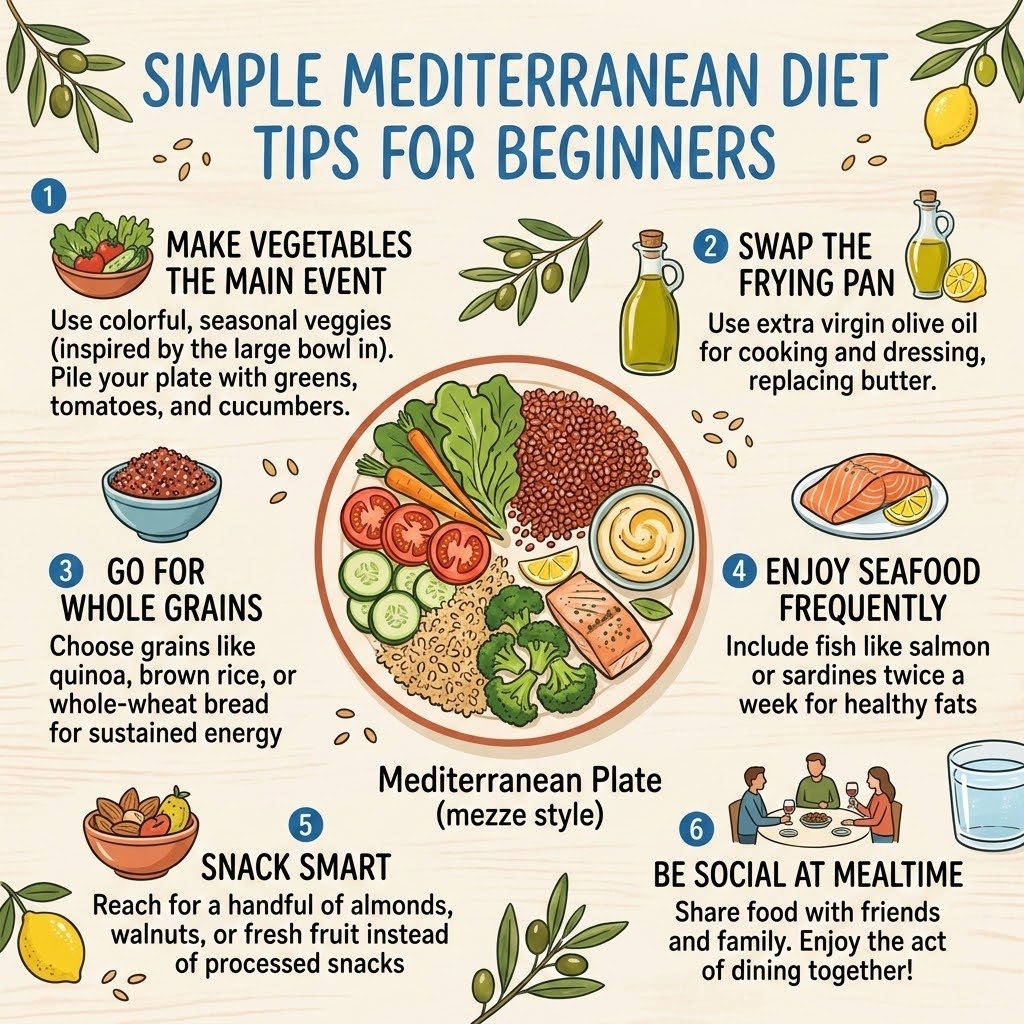
Starting a healthy eating journey doesn’t have to be overwhelming. If you’re looking for a sustainable, delicious, and heart-friendly way to eat, the Simple Mediterranean Diet Tips for Beginners are your best starting point. This eating pattern isn’t a strict diet but a lifestyle inspired by the traditional foods of countries bordering the Mediterranean Sea—like Greece, Italy, and Spain. It emphasizes whole foods, healthy fats, and plant-based ingredients while minimizing processed foods and added sugars.
The Mediterranean diet is consistently ranked among the top diets by nutrition experts. It’s not just about weight loss—it supports heart health, brain function, and long-term wellness. Whether you’re new to healthy eating or switching from restrictive diets, these beginner-friendly tips will help you transition smoothly and enjoyably.
Why the Mediterranean Diet Works for Beginners
Unlike fad diets that eliminate entire food groups, the Mediterranean diet is flexible and satisfying. It doesn’t require calorie counting or expensive supplements. Instead, it focuses on what you can eat—not what you must avoid. This makes it ideal for beginners who want lasting results without feeling deprived.
Research shows that people who follow this eating pattern have lower risks of heart disease, type 2 diabetes, and cognitive decline. The secret lies in its balance: generous portions of vegetables, legumes, whole grains, and olive oil, paired with moderate amounts of fish, poultry, and dairy. Red meat and sweets are occasional treats, not staples.
Core Principles to Follow
To get started, keep these foundational principles in mind:
- Prioritize plant-based foods: Fill half your plate with vegetables, fruits, beans, and whole grains.
- Use olive oil as your main fat: Replace butter and margarine with extra virgin olive oil for cooking and dressings.
- Eat fish twice a week: Fatty fish like salmon, sardines, and mackerel are rich in omega-3 fatty acids.
- Limit red meat and processed foods: Save beef and pork for special occasions.
- Enjoy meals with others: The Mediterranean lifestyle values social eating and mindful meals.
Easy Mediterranean Diet Tips to Start Today
1. Swap Refined Grains for Whole Grains
Begin by replacing white bread, pasta, and rice with whole-grain versions. Choose brown rice, quinoa, whole wheat bread, and oats. These foods digest slowly, keeping you full longer and stabilizing blood sugar. A simple switch like using whole wheat pita instead of white bread can make a big difference over time.
2. Make Vegetables the Star of Your Plate
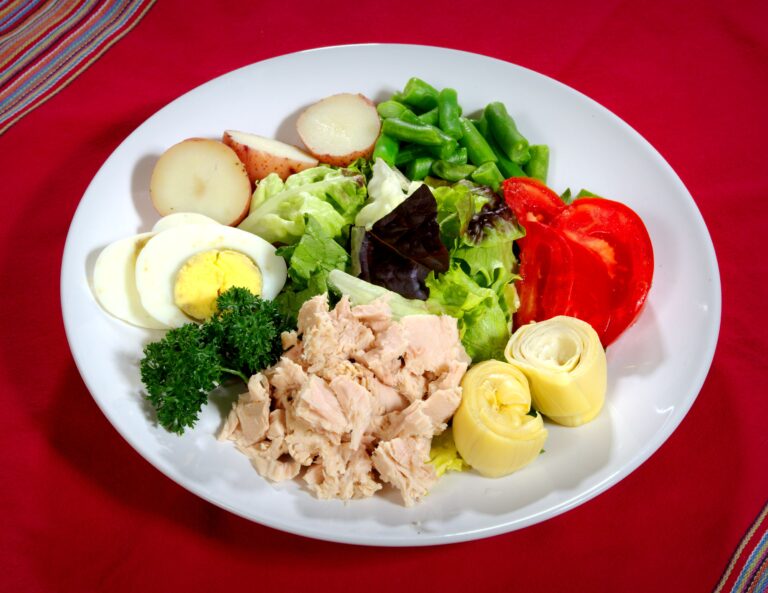
Instead of treating vegetables as a side dish, make them the main event. Try roasted eggplant with garlic and olive oil, a colorful Greek salad with cucumbers and tomatoes, or sautéed spinach with lemon. Aim for at least five servings of vegetables daily. Season simply with herbs, lemon juice, and a drizzle of olive oil.
3. Use Olive Oil Generously—But Wisely
Olive oil is the cornerstone of the Mediterranean diet. Use it for sautéing, roasting, and making dressings. Choose extra virgin olive oil for its rich flavor and antioxidants. However, remember it’s still high in calories—use about 2–3 tablespoons per day. Store it in a cool, dark place to preserve its nutrients.
4. Eat More Legumes and Beans
Beans, lentils, and chickpeas are affordable, filling, and packed with protein and fiber. Add them to soups, salads, or make a simple hummus dip. A weekly lentil stew or white bean salad can become a comforting, nutritious staple. They’re also great for meal prep and freezing.
5. Choose Fresh, Seasonal Fruits for Dessert
Instead of sugary desserts, enjoy fresh fruit as your daily sweet treat. A bowl of figs, a sliced orange, or a handful of berries satisfies sugar cravings naturally. When you do indulge, opt for small portions of dark chocolate (70% cocoa or higher) or a traditional Greek yogurt with honey and walnuts.
Simple Mediterranean Meal Ideas for Beginners
One of the biggest challenges for beginners is knowing what to eat. Here are easy, balanced meal ideas to get you started:
Breakfast Options
- Greek yogurt with fresh berries, a sprinkle of nuts, and a drizzle of honey.
- Oatmeal topped with sliced almonds, banana, and a teaspoon of olive oil.
- Whole grain toast with mashed avocado, cherry tomatoes, and a poached egg.
Lunch Ideas
- Mediterranean grain bowl with quinoa, chickpeas, cucumber, olives, feta cheese, and lemon-tahini dressing.
- Whole wheat pita stuffed with hummus, grilled vegetables, and a handful of spinach.
- Lentil soup with a side of mixed greens and a slice of whole grain bread.
Dinner Suggestions
- Baked salmon with roasted asparagus and a side of farro.
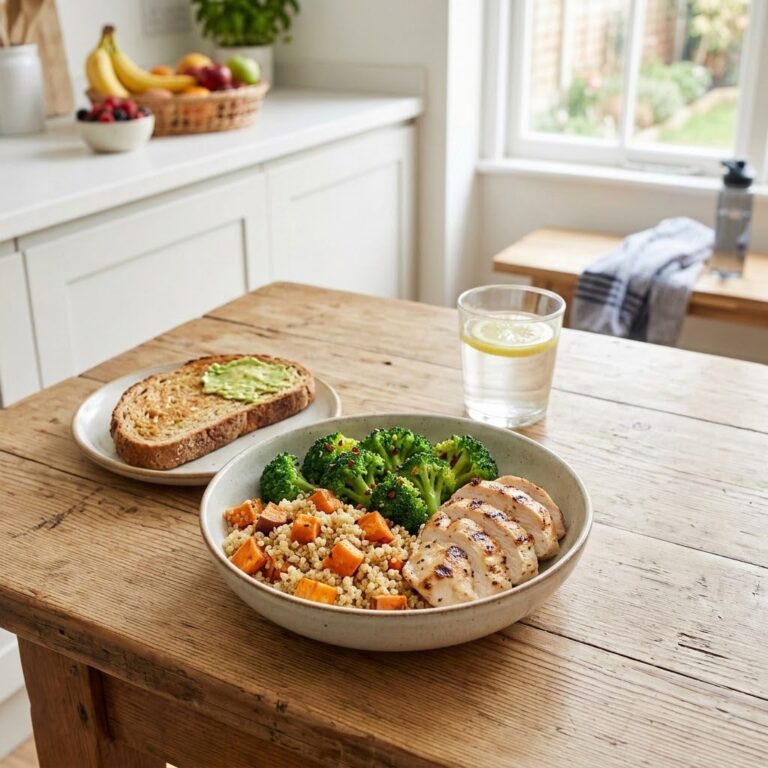
- Grilled chicken with a tomato-cucumber salad and a small portion of brown rice.
- Vegetable stir-fry with olive oil, garlic, and a sprinkle of feta cheese.
How to Shop and Prep Like a Mediterranean
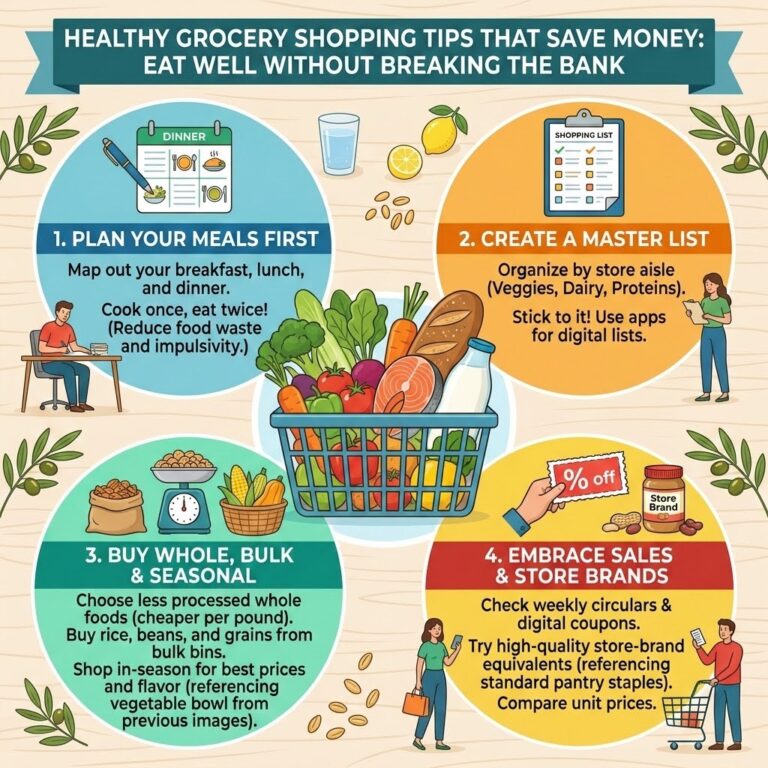
Success starts at the grocery store. Focus on fresh, minimally processed ingredients. Shop the perimeter of the store where produce, dairy, and seafood are typically located. Stock your pantry with staples like canned tomatoes, olives, whole grains, and dried herbs.
Meal prepping doesn’t have to be complicated. Cook a big batch of grains or beans at the start of the week. Chop vegetables in advance and store them in clear containers. Having ready-to-eat ingredients makes healthy choices easier during busy days.
Don’t forget to drink plenty of water throughout the day. While the Mediterranean diet includes moderate wine consumption (especially red wine with meals), water should remain your primary beverage. Herbal teas and infused water with lemon or cucumber are also excellent choices.
Common Mistakes Beginners Should Avoid
Even with the best intentions, beginners often make a few common errors. Being aware of them can help you stay on track:
- Overeating healthy fats: While olive oil and nuts are nutritious, they’re calorie-dense. Use them in moderation.
- Ignoring portion sizes: The Mediterranean diet isn’t about unlimited eating. Pay attention to hunger and fullness cues.
- Skipping physical activity: This lifestyle includes regular movement—walking, gardening, or dancing—not just diet.
- Buying “Mediterranean” packaged foods: Many processed snacks labeled as Mediterranean are still high in sodium and preservatives. Stick to whole foods.
Key Takeaways
Starting the Mediterranean diet as a beginner is simpler than you think. Focus on whole, unprocessed foods, embrace olive oil, and make vegetables the foundation of your meals. This approach supports long-term health without extreme restrictions or complicated rules.
Remember, it’s not about perfection—it’s about progress. Small, consistent changes lead to lasting results. Whether you’re cooking for one or feeding a family, these Simple Mediterranean Diet Tips for Beginners can fit into any lifestyle.
FAQ
Can I lose weight on the Mediterranean diet?
Yes, many people lose weight naturally on the Mediterranean diet because it emphasizes nutrient-dense, low-calorie foods like vegetables, legumes, and lean proteins. Combined with portion control and regular activity, it can support healthy, sustainable weight loss.
Is the Mediterranean diet suitable for vegetarians or vegans?
Absolutely. The diet is highly adaptable. Vegetarians can focus on beans, lentils, dairy, and eggs, while vegans can rely on plant-based proteins, nuts, seeds, and fortified foods. Just ensure adequate intake of vitamin B12, iron, and omega-3s.
How quickly will I see health benefits?
Some people notice improved energy and digestion within a few weeks. Long-term benefits like reduced inflammation and better heart health typically appear after several months of consistent eating. The key is patience and consistency.
About the Author