Imagine biting into a juicy, flavorful meal that satisfies your cravings while also nourishing your body. That’s not just a dream—it’s entirely possible. You can absolutely eat healthy without giving up taste. In fact, the two aren’t opposites; they’re partners in creating meals that are both delicious and nutritious. The secret lies in smart ingredient swaps, bold seasonings, and mindful cooking techniques that preserve flavor while boosting health benefits.
Many people believe that healthy eating means bland salads and boiled chicken. But real, sustainable nutrition comes from enjoying food—not enduring it. By focusing on whole ingredients, natural flavors, and creative preparation, you can transform your plate into a vibrant, satisfying experience. Whether you’re cooking for one or feeding a family, these strategies make it easy to eat well without sacrificing taste.
Why Flavor Matters in Healthy Eating
Flavor is more than just enjoyment—it’s a key motivator for long-term dietary success. When food tastes good, you’re far more likely to stick with healthy habits. On the flip side, meals that feel like punishment lead to cravings, binges, and eventual burnout.
Our brains are wired to seek pleasure, and food is one of the most powerful sources of it. That’s why removing taste from the equation often backfires. Instead of cutting out flavor, the smarter approach is to enhance it using natural, nutrient-dense ingredients. Think aromatic herbs, citrus zest, garlic, ginger, and spices like turmeric and smoked paprika. These not only elevate taste but also offer anti-inflammatory and antioxidant benefits.
Moreover, flavor-rich foods tend to be more satisfying, which helps control portion sizes and reduces mindless snacking. A well-seasoned vegetable stir-fry, for example, can leave you feeling full and content—without the need for heavy sauces or processed additives.
Smart Swaps That Keep the Flavor
One of the easiest ways to eat healthy without giving up taste is through simple ingredient substitutions. You don’t need to overhaul your entire diet overnight. Start with small changes that make a big difference.
- Swap white rice for cauliflower rice or quinoa – Both add fiber and nutrients while absorbing the flavors of your dish.
- Use Greek yogurt instead of sour cream – It’s higher in protein and lower in fat, yet just as creamy and tangy.
- Choose avocado over butter or mayo – Mashed avocado adds richness and heart-healthy fats to sandwiches and toast.
- Replace sugar with mashed bananas or unsweetened applesauce – Perfect for baking, these natural sweeteners reduce refined sugar without losing moisture or taste.
These swaps maintain the sensory experience of eating while improving nutritional value. The key is to focus on texture and mouthfeel—healthy doesn’t have to mean dry or dull.
Cooking Techniques That Enhance Flavor Naturally
How you cook your food can dramatically impact both taste and health. High-heat methods like grilling, roasting, and sautéing caramelize natural sugars, creating deep, complex flavors without added fats or sodium.
Roasting vegetables, for instance, brings out their natural sweetness and adds a satisfying crunch. Try tossing broccoli, carrots, or Brussels sprouts with a drizzle of olive oil, a pinch of sea salt, and a sprinkle of garlic powder before roasting at 400°F (200°C) for 20–25 minutes. The result? A side dish that’s crispy, savory, and utterly addictive.
Grilling lean proteins like chicken, fish, or tofu adds a smoky char that mimics the richness of fried foods. Marinate beforehand with lemon juice, herbs, and a touch of honey for a balanced, flavorful crust.
Even steaming can be delicious when done right. Infuse your steaming water with ginger slices, lemongrass, or bay leaves to subtly flavor fish or dumplings. These small touches elevate simple cooking methods into gourmet experiences.
The Power of Herbs, Spices, and Umami
If you want to eat healthy without giving up taste, your spice cabinet is your best friend. Herbs and spices pack a flavor punch with virtually no calories, sodium, or fat. Plus, many have medicinal properties.
Fresh basil, cilantro, and parsley add brightness to salads, soups, and grain bowls. Dried oregano, thyme, and rosemary bring warmth to roasted meats and stews. Don’t overlook spice blends like garam masala, za’atar, or Chinese five-spice—they deliver complex flavors in one sprinkle.
Umami, the so-called “fifth taste,” is especially powerful for creating depth. Ingredients like mushrooms, tomatoes, soy sauce (in moderation), miso, and nutritional yeast are rich in umami and can make plant-based dishes taste rich and satisfying. A sprinkle of nutritional yeast on popcorn or pasta adds a cheesy, savory note without dairy.
Experiment with layering flavors: start with aromatics like onion and garlic, add herbs mid-cook, and finish with a squeeze of citrus or a dash of vinegar. This builds complexity and keeps every bite interesting.
Building Balanced, Flavorful Meals
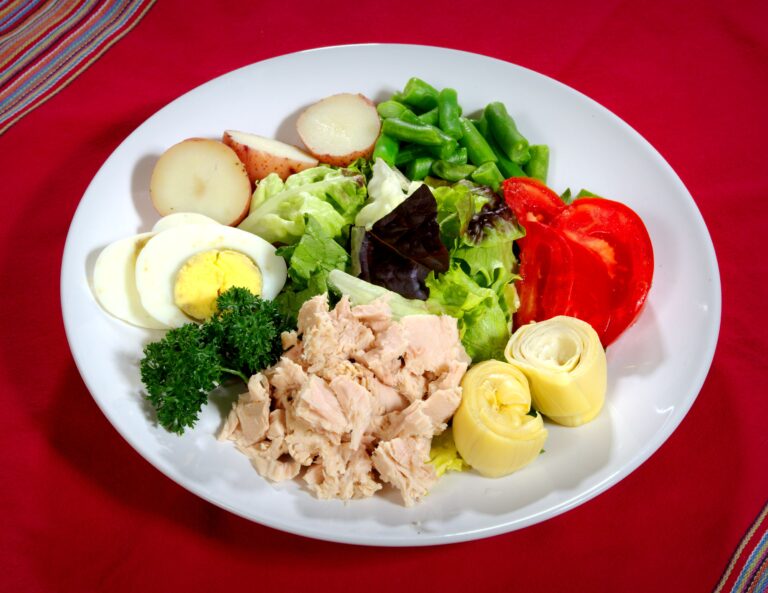
Eating healthy doesn’t mean eating plain. It means building meals that are balanced, colorful, and exciting. Think of your plate as a canvas—fill it with a variety of textures, colors, and tastes.
Aim for a mix of:
- Lean protein – Chicken, fish, eggs, tofu, lentils, or beans.
- Complex carbohydrates – Sweet potatoes, brown rice, farro, or whole-grain bread.
- Healthy fats – Avocado, nuts, seeds, or olive oil.
- Plenty of vegetables – Aim for at least half your plate to be non-starchy veggies.
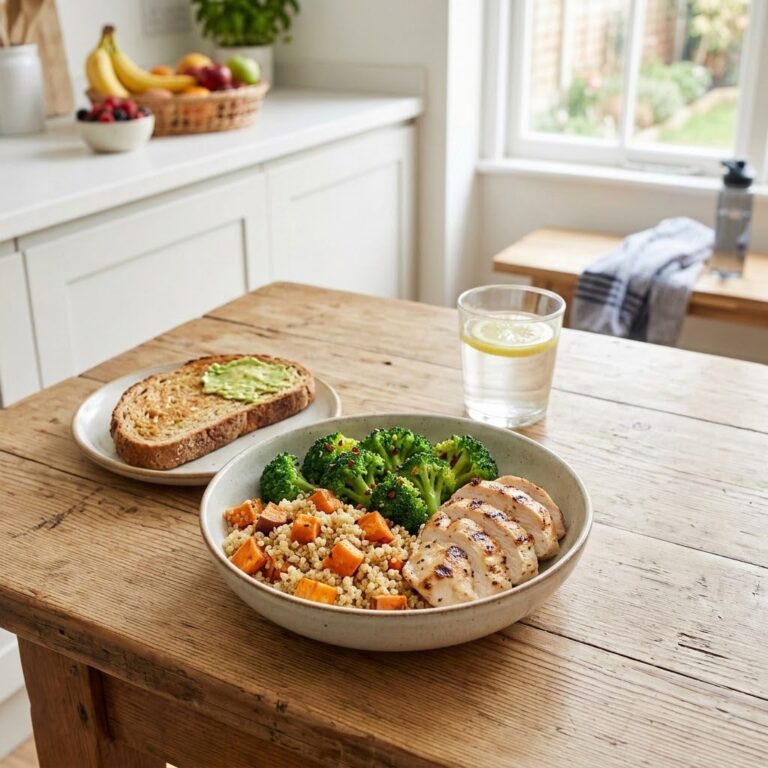
For example, a flavorful bowl might include quinoa (carbs), grilled salmon (protein), roasted bell peppers and zucchini (veggies), a sprinkle of feta (fat), and a tahini-lemon dressing (flavor boost). It’s nutritious, filling, and bursting with taste.
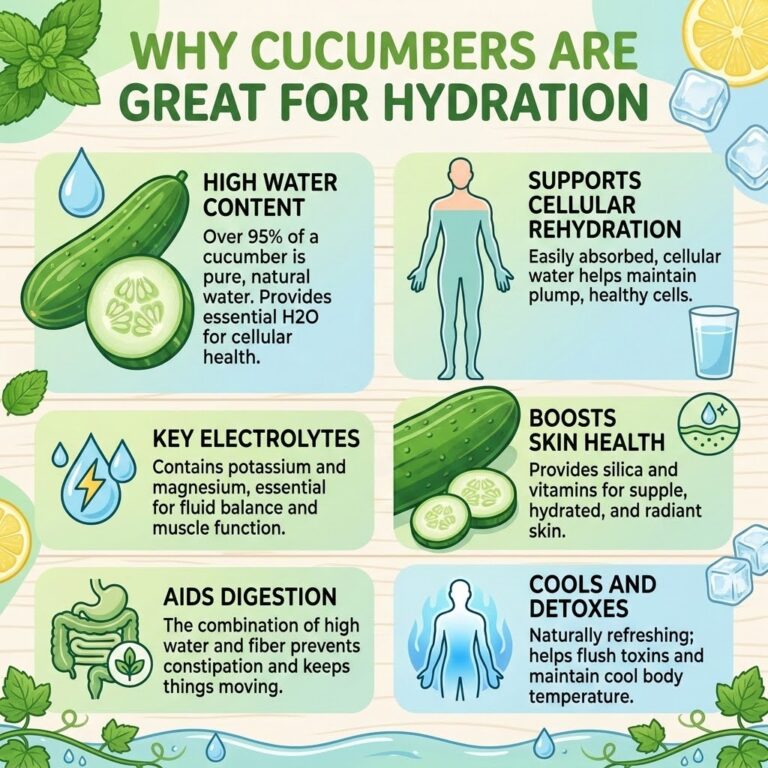
Don’t forget snacks! Healthy eating includes smart choices between meals. Try apple slices with almond butter, cucumber with hummus, or a small handful of spiced nuts. These satisfy cravings without derailing your goals.
Mindful Eating: Savoring Every Bite
Eating healthy without giving up taste also involves how you eat, not just what you eat. Mindful eating encourages you to slow down, engage your senses, and truly enjoy your food.
When you eat quickly, your brain doesn’t register fullness until it’s too late. By chewing slowly and paying attention to flavors, textures, and aromas, you enhance satisfaction and reduce overeating.
Turn off distractions like TV or phones during meals. Sit at a table, use real plates, and take a moment to appreciate your food. This simple shift can transform even a simple salad into a satisfying experience.
Also, listen to your hunger cues. Eat when you’re hungry, stop when you’re comfortably full. This prevents emotional or boredom eating and helps you build a healthier relationship with food.
Overcoming Common Challenges
Even with the best intentions, obstacles arise. Time, budget, and cravings can make healthy eating feel difficult. But with planning and flexibility, you can overcome them.
Time crunch? Prep ingredients in advance. Chop veggies, cook grains, and marinate proteins on weekends. Store them in clear containers so healthy options are ready to go.
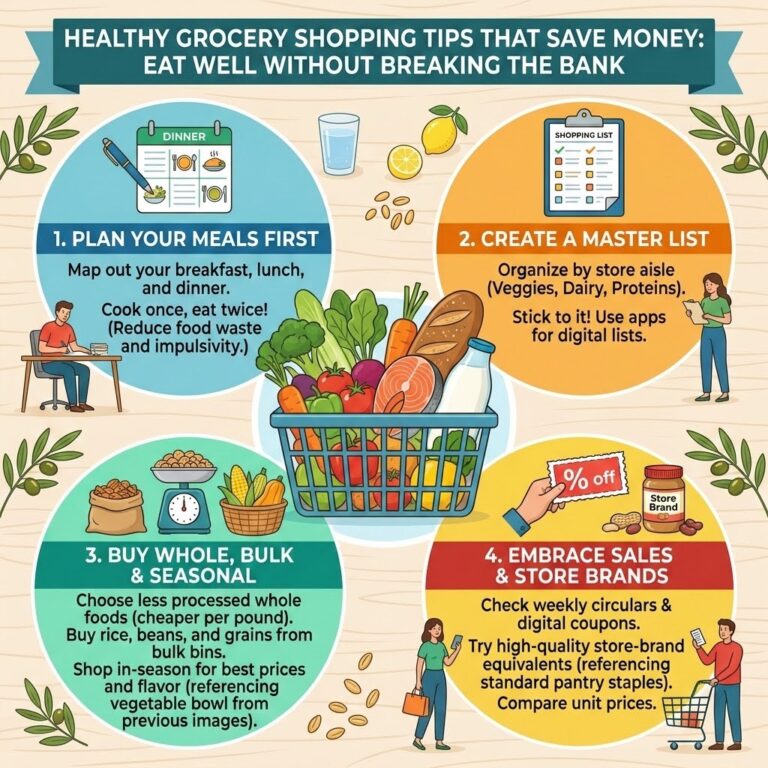
On a tight budget? Focus on affordable staples like beans, lentils, eggs, frozen vegetables, and seasonal produce. Buy in bulk when possible and cook in batches to save money and time.
Craving sweets? Satisfy them naturally. A square of dark chocolate, a bowl of mixed berries with Greek yogurt, or a baked apple with cinnamon can curb sugar urges without spiking blood sugar.
Remember, perfection isn’t the goal. Consistency is. One “unhealthy” meal won’t ruin your progress. What matters is the overall pattern of your choices.
Key Takeaways
- You don’t have to sacrifice taste to eat healthy—flavor and nutrition can coexist.
- Use herbs, spices, and umami-rich ingredients to boost flavor naturally.
- Smart ingredient swaps (like Greek yogurt for sour cream) improve nutrition without losing taste.
- Cooking methods like roasting and grilling enhance flavor while keeping meals healthy.
- Build balanced plates with protein, healthy fats, complex carbs, and plenty of vegetables.
- Practice mindful eating to increase satisfaction and prevent overeating.
- Plan ahead to overcome time, budget, and craving challenges.
FAQ
Can I still eat my favorite foods and eat healthy?
Absolutely. Healthy eating isn’t about elimination—it’s about balance. You can enjoy pizza, pasta, or dessert in moderation. Focus on portion control, ingredient quality, and frequency. For example, make homemade pizza with whole-wheat crust, fresh veggies, and lean protein instead of processed toppings.
How do I make healthy food taste good if I’m not a great cook?
Start simple. Use bold seasonings like garlic, lemon, and chili flakes. Follow easy recipes with few ingredients. Over time, you’ll learn what flavors you enjoy and how to combine them. Even basic dishes like scrambled eggs or steamed veggies can be delicious with the right seasoning.
Is it expensive to eat healthy and flavorful meals?
Not necessarily. While some specialty items can be pricey, many healthy ingredients—like beans, rice, eggs, and seasonal produce—are very affordable. Planning meals, buying in bulk, and reducing food waste can keep costs down while maximizing flavor and nutrition.
About the Author