Starting a plant-based diet doesn’t have to be overwhelming. Whether you’re motivated by health, environmental concerns, or animal welfare, transitioning to a diet centered on whole, plant-derived foods can be both simple and sustainable. The key lies in making gradual, manageable changes that fit your lifestyle. Instead of overhauling your entire eating pattern overnight, focus on small, consistent steps that build lasting habits. This guide breaks down practical, easy-to-follow strategies to help you begin your plant-based journey with confidence—without sacrificing flavor, nutrition, or convenience.
What Is a Plant-Based Diet?
A plant-based diet emphasizes foods that come from plants: fruits, vegetables, whole grains, legumes, nuts, and seeds. It minimizes or eliminates animal products like meat, dairy, and eggs. Importantly, it’s not just about what you remove—it’s about what you add. A well-planned plant-based diet is rich in fiber, antioxidants, and essential nutrients while being naturally lower in saturated fat and cholesterol.
This way of eating supports heart health, aids in weight management, and may reduce the risk of chronic diseases like type 2 diabetes and certain cancers. But beyond the health benefits, many people find that a plant-based lifestyle brings greater energy, clearer skin, and a stronger connection to sustainable living.
Simple Ways to Start a Plant-Based Diet
1. Begin with Familiar Foods
You don’t need to learn a whole new cuisine to go plant-based. Start by identifying your favorite meals that are already plant-forward. For example, pasta with marinara sauce, bean burritos, stir-fried vegetables, or oatmeal with fruit are all naturally plant-based. Simply tweak them to remove animal products—swap cheese for nutritional yeast, use plant milk in your oatmeal, or choose a veggie-based protein like lentils or tofu.
This approach reduces the learning curve and helps you stay consistent. Over time, you’ll naturally expand your recipe repertoire, but beginning with comfort foods makes the transition smoother.
2. Follow the “Plate Method”
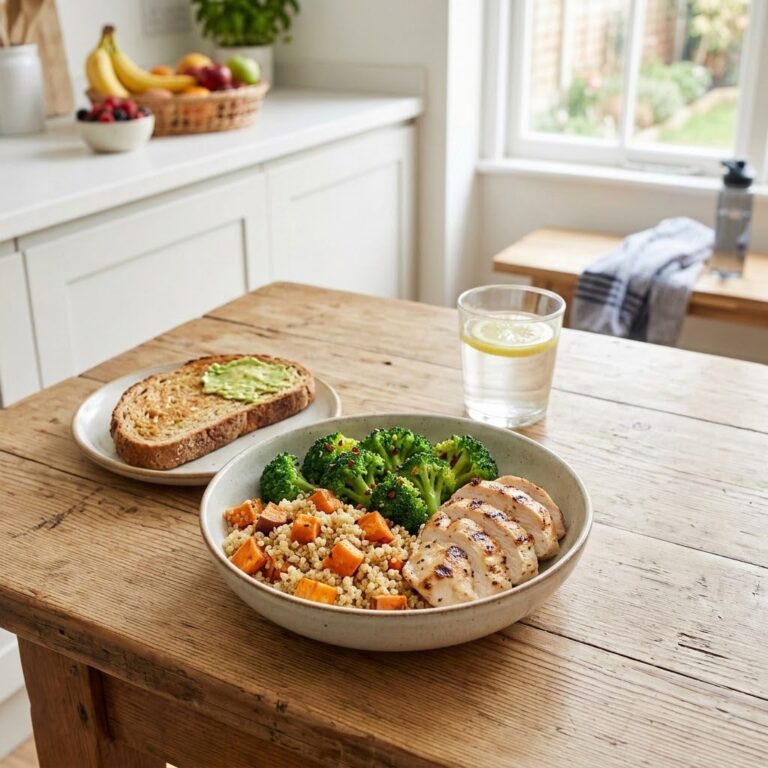
Visualize your plate divided into sections: half filled with vegetables, one-quarter with whole grains, and one-quarter with plant-based protein. This simple framework ensures balanced nutrition without requiring calorie counting or complex meal planning.
For instance, a typical dinner could include roasted sweet potatoes (grain/starchy veg), quinoa (whole grain), black beans (protein), and a side of steamed broccoli. This method works for breakfast, lunch, and dinner and helps prevent nutrient gaps.
3. Swap One Meal at a Time
Instead of going fully plant-based overnight, start by replacing one meal per day. Try a plant-based breakfast like smoothies with spinach, banana, and almond butter, or avocado toast on whole-grain bread. Once that feels routine, move to lunch—perhaps a hearty lentil soup or a chickpea salad sandwich.
Gradual changes are more sustainable and less likely to lead to burnout. Plus, giving yourself time to adjust mentally and physically makes the shift feel less like a restriction and more like a positive lifestyle upgrade.
4. Stock Your Pantry with Staples
A well-stocked pantry makes plant-based cooking effortless. Keep these essentials on hand:
- Legumes: canned or dried beans, lentils, chickpeas
- Whole grains: brown rice, quinoa, oats, whole-wheat pasta
- Canned tomatoes and tomato sauce
- Nuts and seeds: almonds, chia, flax, sunflower seeds
- Plant-based milk: soy, oat, or almond milk
- Healthy oils: olive oil, avocado oil
- Spices and herbs: garlic powder, cumin, turmeric, basil
With these basics, you can whip up a variety of meals in under 30 minutes—no fancy ingredients required.
5. Experiment with Plant-Based Proteins
Protein is a common concern when starting a plant-based diet, but it’s easier to meet your needs than you might think. Incorporate a variety of protein-rich plant foods throughout the day:
- Tofu and tempeh (great for stir-fries and scrambles)
- Edamame (perfect as a snack or salad topper)
- Lentils and chickpeas (ideal for soups, curries, and salads)
- Seitan (a high-protein meat substitute made from wheat gluten)
- Nut butters (add to smoothies, toast, or oatmeal)
Combining different plant proteins throughout the day ensures you get all essential amino acids. You don’t need to eat them in the same meal—your body stores and uses them efficiently over time.
6. Learn to Read Labels
Not all packaged foods are created equal. Some seemingly “healthy” products contain hidden animal ingredients like whey, casein, gelatin, or honey. Take a moment to scan ingredient lists, especially on snacks, sauces, and plant-based alternatives.
Look for certifications like “Certified Vegan” or “Plant-Based” when available. Over time, you’ll become more familiar with common additives and make quicker, more informed choices.
7. Plan Ahead for Success
One of the biggest challenges in any dietary change is last-minute decisions. Combat this by planning a few meals each week. You don’t need a rigid schedule—just a rough idea of what you’ll eat for dinner or pack for lunch.
Batch-cook grains and beans on weekends, prep chopped vegetables, or assemble overnight oats. These small efforts save time and reduce the temptation to grab convenience foods that may not align with your goals.
8. Explore New Flavors and Cuisines
Many global cuisines are naturally plant-forward. Explore Mediterranean, Indian, Ethiopian, or Thai dishes, which often feature vegetables, legumes, and aromatic spices. Try making dal, vegetable curry, or falafel at home—these meals are flavorful, nutritious, and deeply satisfying.
Experimenting with new recipes keeps your diet exciting and prevents boredom. Plus, it’s a delicious way to expand your culinary skills.
Common Challenges and How to Overcome Them
Transitioning to a plant-based diet can come with hurdles. Social situations, cravings, and nutrient concerns are common. But with the right mindset and preparation, they’re easily manageable.
When dining out, check menus in advance or call ahead to ask about plant-based options. Many restaurants are happy to accommodate dietary preferences. At gatherings, offer to bring a dish—this ensures there’s something you can enjoy and introduces others to tasty plant-based food.
If you’re craving cheese or meat, explore plant-based alternatives. While they’re not perfect replicas, many modern options come close in taste and texture. Use them sparingly as transitional tools, not long-term staples.
For nutrient concerns, focus on variety. Eat a rainbow of fruits and vegetables, include fortified foods (like plant milks with B12 and calcium), and consider a vitamin B12 supplement—essential for anyone avoiding animal products.
Key Takeaways
- Start small: Replace one meal at a time to build sustainable habits.
- Use the plate method to ensure balanced, nutrient-rich meals.
- Stock your pantry with versatile plant-based staples.
- Experiment with global cuisines to keep meals exciting.
- Plan ahead to avoid last-minute unhealthy choices.
- Supplement vitamin B12 and focus on variety for optimal nutrition.
FAQ
Is a plant-based diet safe for children and pregnant women?
Yes, a well-planned plant-based diet can be safe and healthy for all life stages, including pregnancy and childhood. It’s important to ensure adequate intake of key nutrients like iron, calcium, vitamin D, omega-3 fatty acids, and vitamin B12. Consulting a registered dietitian can help tailor the diet to individual needs.
Will I get enough protein on a plant-based diet?
Absolutely. Many plant foods are rich in protein, and combining a variety throughout the day easily meets protein needs. Beans, lentils, tofu, tempeh, nuts, seeds, and whole grains all contribute to a complete amino acid profile over time.
Can I still eat out while following a plant-based diet?
Yes. Most restaurants offer plant-based options, even if not explicitly labeled. Look for vegetable-based dishes, ask for substitutions (like no cheese or meat), or choose ethnic cuisines that naturally feature plant-forward meals. Apps and websites like HappyCow can also help locate vegan-friendly restaurants.
About the Author