Struggling to stick to a healthy diet? You’re not alone. Most people start with the best intentions—only to fall back into old patterns within weeks. The truth is, not all healthy eating advice works. Fad diets, extreme restrictions, and overnight transformations rarely last. But healthy eating habits that actually work are simple, sustainable, and rooted in consistency—not perfection. This article reveals practical, science-backed strategies you can follow for life, not just for a month.
Forget quick fixes. Real change comes from small, repeatable actions that fit into your daily routine. Whether you’re trying to lose weight, boost energy, or improve digestion, the right habits make all the difference. Let’s explore what truly works—and how to make it stick.
Why Most Diets Fail (And What to Do Instead)
Diets fail because they’re often too restrictive, unsustainable, or based on outdated ideas. Cutting out entire food groups, counting every calorie, or relying on willpower alone sets you up for burnout. Instead of chasing perfection, focus on progress. Healthy eating isn’t about eliminating foods—it’s about making better choices most of the time.
The key is building habits, not following rules. Habits are automatic. They don’t require constant motivation. When healthy choices become routine, you stop thinking about them—and that’s when real change happens.
Start Small, Win Big
One of the most effective healthy eating habits is starting small. Instead of overhauling your entire diet overnight, pick one change at a time. For example:
- Drink a glass of water before every meal.
- Add one vegetable to lunch and dinner.
- Swap sugary drinks for herbal tea or infused water.
These tiny shifts compound over time. Research shows that small, consistent changes lead to long-term success far better than drastic overhauls.
Eat Real, Whole Foods (Most of the Time)
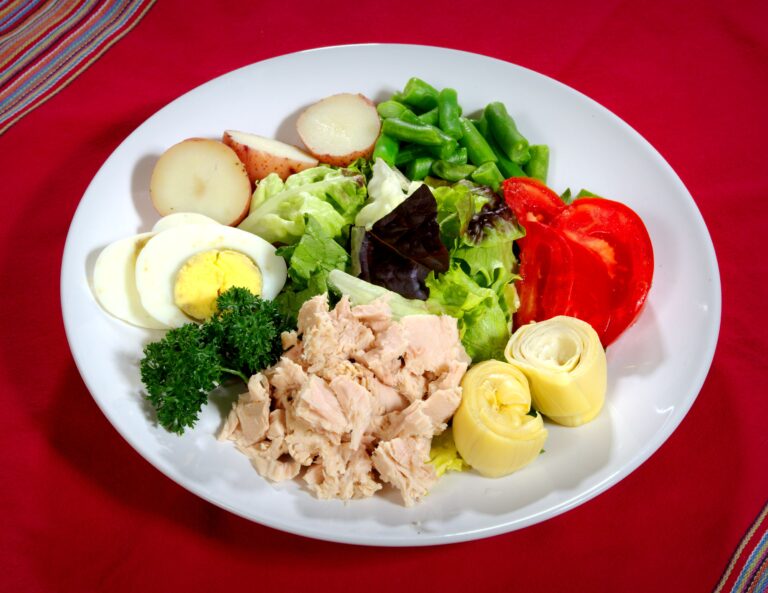
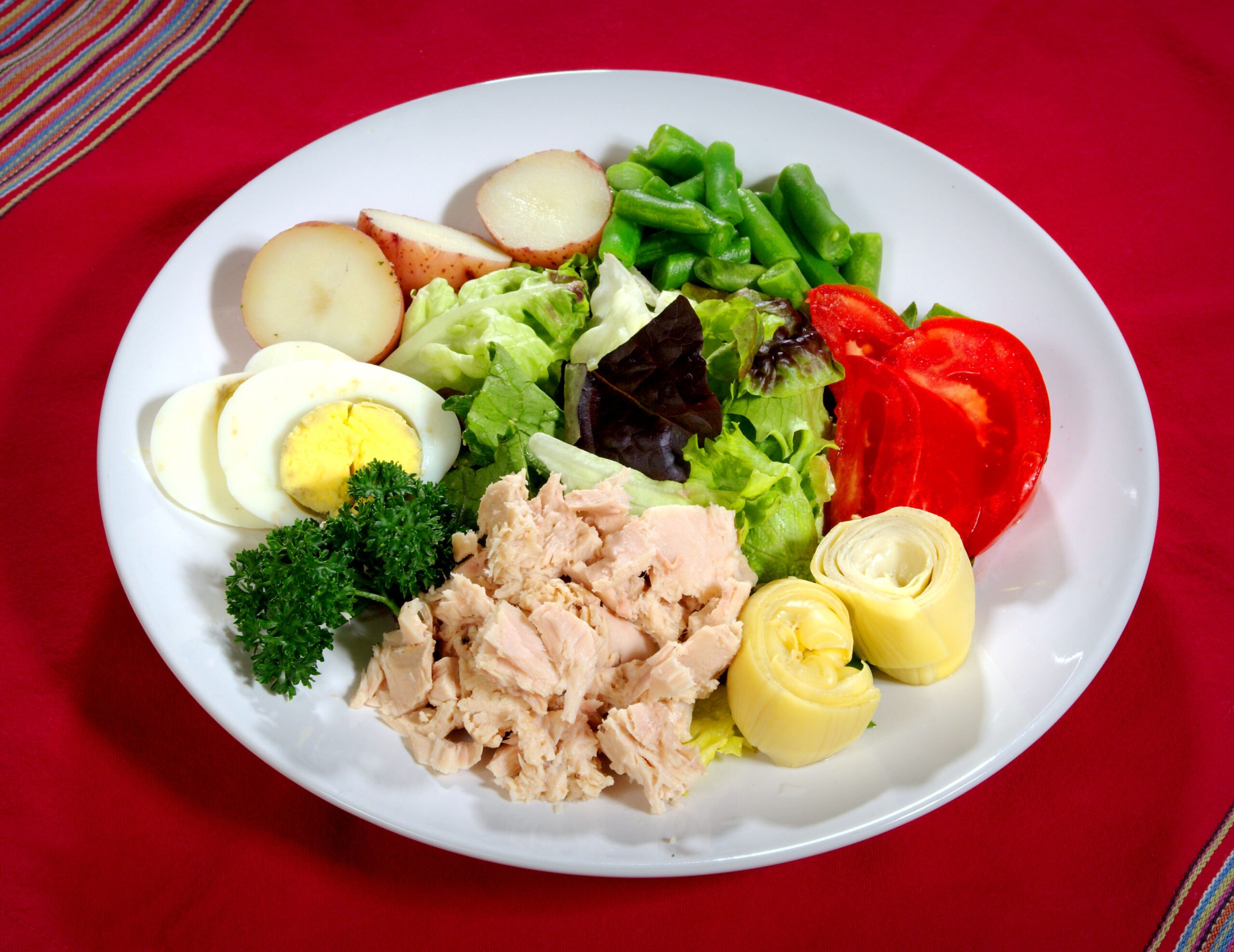
One of the simplest and most powerful healthy eating habits is choosing whole, unprocessed foods. Think fresh fruits, vegetables, whole grains, lean proteins, nuts, and seeds. These foods are naturally rich in nutrients and fiber, which support digestion, energy, and long-term health.
Processed foods—even those labeled “healthy”—often contain added sugars, unhealthy fats, and preservatives. While it’s okay to enjoy them occasionally, they shouldn’t dominate your plate.
How to Spot Real Food
Ask yourself: Could this food have grown in nature? If the answer is no, it’s likely processed. Real food has short ingredient lists—ideally one ingredient. For example:
- An apple: just an apple.
- Oats: just oats.
- Salmon: just salmon.
When shopping, stick to the perimeter of the grocery store. That’s where fresh produce, dairy, and meats are usually located. The middle aisles? That’s where most processed foods hide.
Practice Mindful Eating
Mindful eating is one of the most overlooked yet effective healthy eating habits. It means paying attention to what you eat, how you eat, and why you eat. Many people eat out of boredom, stress, or habit—not hunger.
Slowing down helps your brain register fullness, prevents overeating, and improves digestion. Try these simple techniques:
- Put your fork down between bites.
- Chew each bite 20–30 times.
- Eat without screens—no phone, TV, or laptop.
When you eat mindfully, food tastes better. You also start to notice how different foods make you feel—energetic, sluggish, satisfied, or bloated. That awareness guides better choices.
Listen to Your Hunger Cues
Your body knows when it’s hungry and when it’s full—if you let it. But years of dieting, distractions, and emotional eating can dull those signals. Reconnect by checking in before meals.
Ask: Am I truly hungry, or am I bored, stressed, or thirsty? Drink water first. Wait 10 minutes. Then decide if you still need food. This simple pause can prevent unnecessary snacking.
Plan and Prep Your Meals
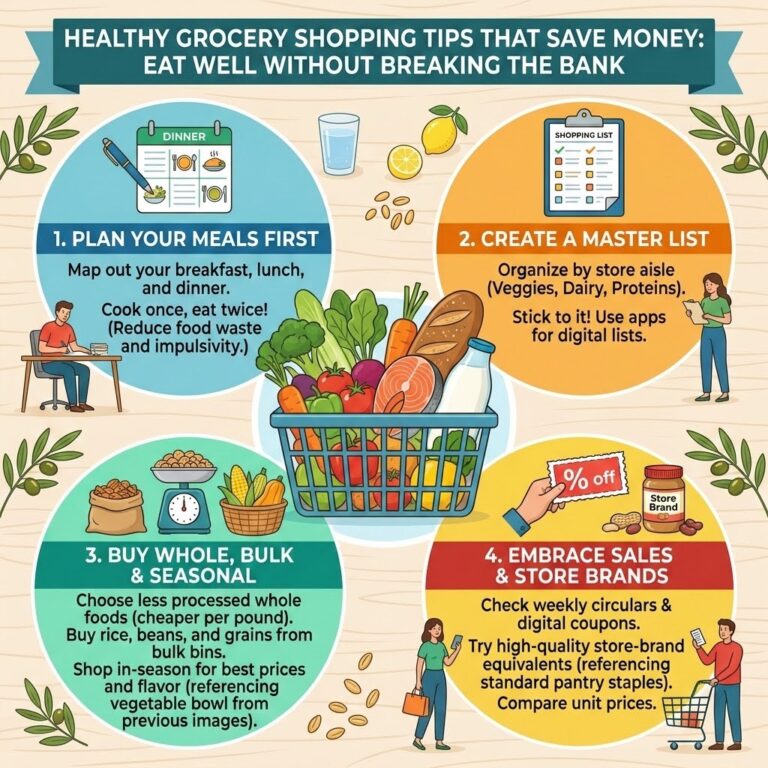
One of the most reliable healthy eating habits is meal planning. When you don’t plan, you default to convenience—and that often means fast food, takeout, or packaged snacks. Planning removes the guesswork and reduces stress.
You don’t need to cook elaborate meals. Start with a weekly plan:
- Choose 3–4 simple dinner recipes.
- Prep ingredients on Sunday (chop veggies, cook grains, portion proteins).
- Pack lunches the night before.
Meal prepping saves time, money, and decision fatigue. It also helps you stick to your goals, even on busy days.
Keep Healthy Snacks on Hand
Hunger strikes fast. If you wait too long to eat, you’re more likely to grab whatever’s convenient—often something high in sugar or salt. Keep healthy snacks within reach:
- Apple slices with almond butter.
- Greek yogurt with berries.
- Carrot sticks with hummus.
- Hard-boiled eggs.
These options are satisfying, nutrient-dense, and easy to eat on the go.
Hydrate—But Not with Sugar
Water is essential for every function in your body—from digestion to temperature regulation. Yet many people walk around mildly dehydrated, mistaking thirst for hunger.
Aim for 6–8 glasses of water daily, more if you’re active or live in a hot climate. Start your day with a glass of water. Keep a bottle nearby as a visual reminder.
Avoid sugary drinks like soda, sweetened teas, and fruit juices. Even “healthy” smoothies can be sugar bombs if not balanced with protein and fiber. Stick to water, herbal teas, or sparkling water with a splash of lemon.
Infuse Flavor Naturally
If plain water feels boring, make it exciting without added sugar:
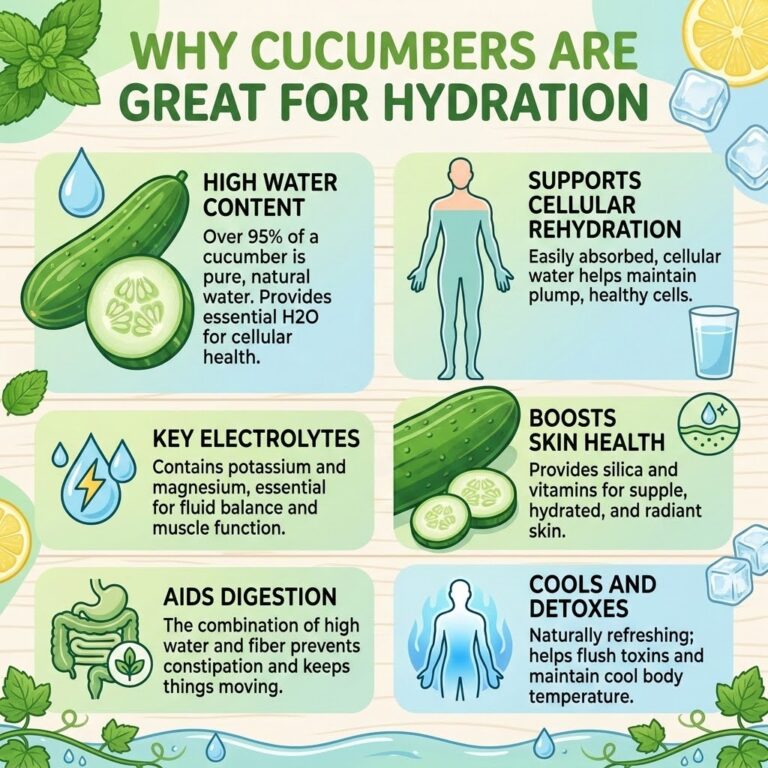
- Cucumber and mint.
- Strawberries and basil.
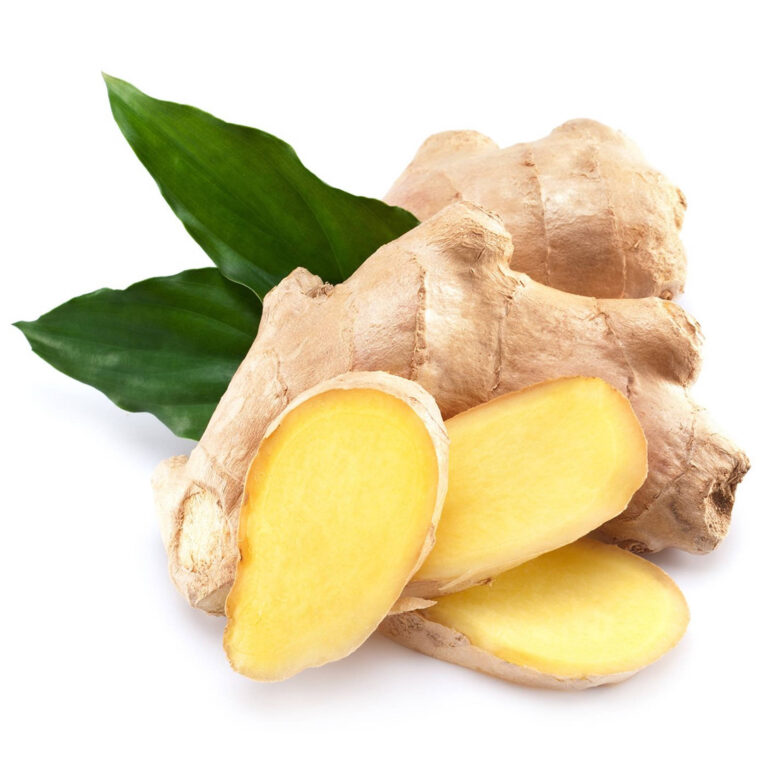
- Lemon and ginger.
Let it sit for a few hours in the fridge. You’ll have refreshing, naturally flavored water that supports your goals.
Don’t Fear Carbs—Choose the Right Ones
Carbohydrates aren’t the enemy. In fact, they’re your body’s preferred energy source. The problem isn’t carbs—it’s the type and amount.
Refined carbs like white bread, pastries, and sugary cereals cause blood sugar spikes and crashes. Whole, complex carbs—like oats, quinoa, sweet potatoes, and legumes—digest slowly, keeping you full and energized.
Pair carbs with protein or healthy fats to balance blood sugar. For example:
- Oatmeal with nuts and berries.
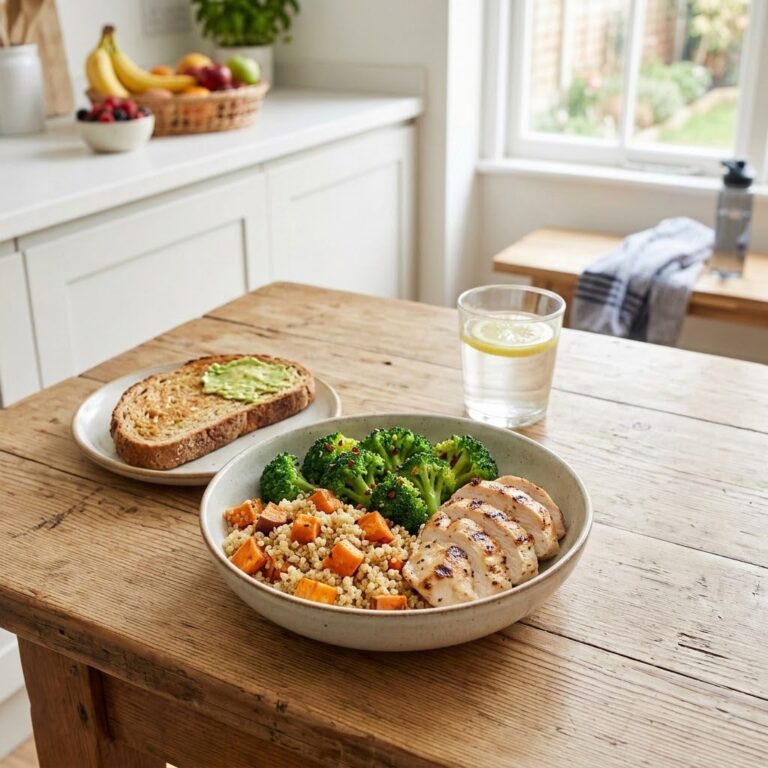
- Brown rice with grilled chicken and veggies.
- Whole-grain toast with avocado and eggs.
This combo reduces cravings and supports stable energy all day.
Allow Flexibility—Not Guilt
One of the most sustainable healthy eating habits is flexibility. Life happens. You’ll have parties, travel, or days when cooking feels impossible. That’s okay.
The goal isn’t perfection—it’s consistency over time. If you eat something “off-plan,” don’t spiral. Enjoy it, then return to your habits at the next meal. No guilt, no punishment.
Think of your diet as 80/20: 80% nutrient-dense foods, 20% flexibility. This balance keeps you sane and on track.
Practice the “Next Meal” Mindset
Instead of fixating on what you ate, focus on what’s next. Had a heavy dinner? Make breakfast light and green. Skipped veggies at lunch? Add a big salad at dinner.
This forward-thinking approach reduces shame and keeps you moving toward your goals.
Key Takeaways
Healthy eating habits that actually work are simple, realistic, and built for real life. They don’t require extreme measures or constant willpower. Instead, they focus on consistency, awareness, and small daily choices.
- Start with one small change at a time.
- Eat whole, unprocessed foods most of the time.
- Practice mindful eating and listen to hunger cues.
- Plan meals and prep snacks to avoid last-minute junk food.
- Stay hydrated with water, not sugary drinks.
- Choose complex carbs and pair them with protein or fat.
- Allow flexibility—no guilt, just progress.
These habits aren’t about restriction. They’re about feeling better, having more energy, and building a relationship with food that supports your health for life.
FAQ
How long does it take to form a healthy eating habit?
Research suggests it takes an average of 66 days to form a new habit—but it varies by person and behavior. The key is consistency. Even if you miss a day, get back on track the next. Small wins build momentum.
Can I lose weight with healthy eating habits alone?
Yes, weight loss often follows naturally when you adopt sustainable healthy eating habits. You don’t need to count calories or starve yourself. Focus on nutrient-dense foods, portion control, and mindful eating. Over time, your body will find its natural balance.
What if I don’t like cooking?
You don’t need to be a chef. Start with simple recipes—sheet pan meals, stir-fries, or grain bowls. Use pre-cut veggies, canned beans, or rotisserie chicken to save time. Even assembling a salad with store-bought ingredients counts as healthy eating.
Healthy eating doesn’t have to be complicated. It just has to be consistent. Choose habits that fit your life, not the other way around. When you focus on progress, not perfection, lasting change becomes not just possible—but inevitable.
About the Author