Eating well doesn’t have to break the bank. Many people assume that healthy meals require expensive ingredients, organic labels, or specialty stores—but that’s a myth. With smart planning, seasonal choices, and a few budget-friendly swaps, you can prepare nutritious, satisfying meals for less than $3 per serving. Whether you’re feeding one or a family of four, learning how to make healthy meals on a budget is both practical and empowering. This guide walks you through proven strategies to stretch your grocery dollars while fueling your body with real, wholesome food.
Start with a Plan: The Foundation of Affordable Healthy Eating
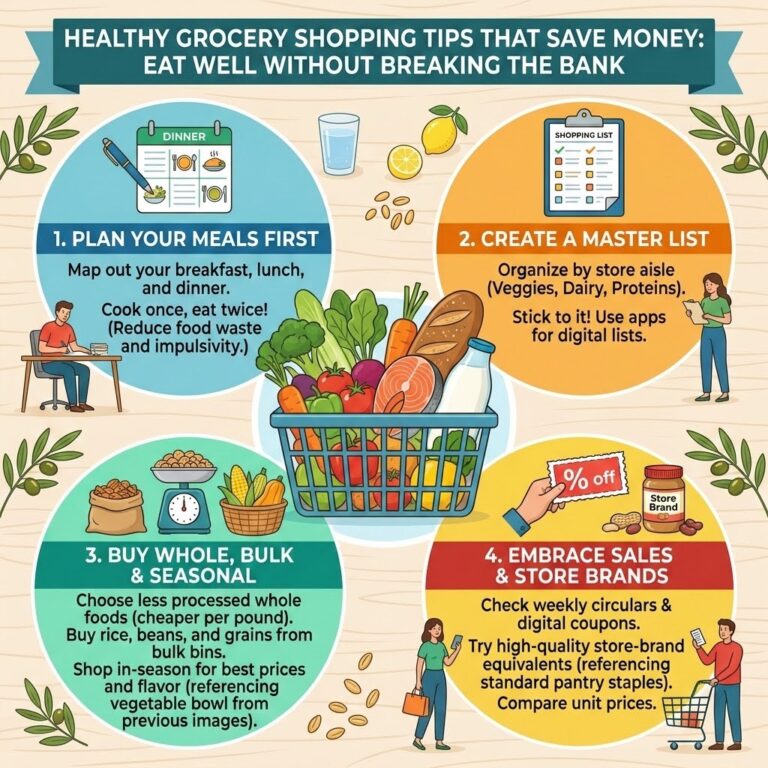
The biggest money-waster in the kitchen isn’t expensive ingredients—it’s impulse buying and lack of planning. Before you step into the grocery store, take 15 minutes to map out your meals for the week. This simple habit reduces food waste, prevents last-minute takeout, and keeps your cart focused on essentials.
Begin by checking what you already have in your pantry, fridge, and freezer. Build your meal plan around those items to avoid duplicate purchases. Then, fill in the gaps with affordable staples like beans, lentils, brown rice, oats, and frozen vegetables. These nutrient-dense foods are not only cheap but also versatile across cuisines.
Use free meal planning templates or apps to organize recipes, shopping lists, and prep schedules. Planning ahead turns chaotic weeknights into smooth, stress-free cooking sessions—and saves you real money over time.
Batch Cooking and Freezing: Your Secret Weapon
One of the most effective ways to make healthy meals on a budget is through batch cooking. Prepare large portions of soups, stews, grain bowls, or chili on weekends, then portion and freeze them for quick weekday dinners. This cuts down on energy use, reduces packaging waste, and eliminates the temptation to order delivery when you’re tired.
Freezer-friendly meals like lentil curry, vegetable stir-fry, or black bean soup retain their nutrients and taste just as good when reheated. Label containers with dates and contents to stay organized. With a well-stocked freezer, you’ll always have a healthy, homemade option ready in minutes.
Smart Shopping: Where and What to Buy for Maximum Value
Not all grocery stores are created equal when it comes to affordability. Discount chains, ethnic markets, and local farmers’ markets often offer better prices on fresh produce, grains, and proteins than mainstream supermarkets. Compare unit prices (price per ounce or pound) instead of just looking at the total cost.
Buy in-season produce—it’s cheaper, fresher, and more flavorful. In summer, stock up on zucchini, tomatoes, and berries. In winter, turn to root vegetables like carrots, sweet potatoes, and cabbage. Frozen fruits and vegetables are just as nutritious as fresh and often cost significantly less, especially when out of season.
Don’t overlook store brands. Most generic or store-label items are manufactured by the same companies that produce name brands but sold at lower prices. This applies to canned beans, whole grains, pasta, and even spices.
Protein on a Budget: Plant-Powered and Strategic Choices
Meat is often the most expensive line item on a grocery list. To make healthy meals on a budget, shift toward plant-based proteins like dried beans, lentils, chickpeas, and tofu. A pound of dried lentils costs under $2 and provides more protein than a pound of ground beef.
When you do buy meat, choose cheaper cuts like chicken thighs instead of breasts, or ground turkey over steak. Buy in bulk when on sale and freeze portions immediately. Eggs are another affordable, high-quality protein source—often under $3 per dozen.
Combine small amounts of meat with beans or grains to stretch your budget further. A bean-and-beef chili or stir-fry with tofu and rice gives you balanced nutrition without the high cost.
Kitchen Staples That Pay Off Over Time
Investing in a few key pantry staples can dramatically reduce your weekly grocery bill. These items form the base of countless healthy meals and eliminate the need for pre-packaged or processed alternatives.
- Whole grains: Brown rice, quinoa, oats, and whole wheat pasta are inexpensive and keep you full longer.
- Dried legumes: Lentils, black beans, and chickpeas cost pennies per serving and are rich in fiber and protein.
- Canned tomatoes: Use in soups, sauces, and stews for flavor and lycopene without the price of fresh.
- Spices and herbs: A small investment in basics like cumin, garlic powder, paprika, and dried oregano adds big flavor without added sugar or sodium.
- Healthy fats: Olive oil, peanut butter, and seeds like chia or flax are affordable in bulk and support heart health.
Buying these items in larger quantities (when storage allows) often reduces the cost per unit. Just ensure they’re stored properly to maintain freshness.
Cooking Techniques That Save Money and Boost Flavor
You don’t need fancy equipment or gourmet skills to make delicious, healthy meals. Simple cooking methods like roasting, sautéing, and steaming preserve nutrients and enhance natural flavors without relying on expensive sauces or additives.
Roasting vegetables brings out their sweetness and makes even humble carrots or broccoli taste indulgent. Sautéing with a little oil and garlic transforms frozen spinach or kale into a satisfying side. Steaming retains water-soluble vitamins better than boiling.
Learn to repurpose leftovers creatively. Turn roasted chicken into tacos, blend cooked vegetables into soups, or use stale bread for croutons or breadcrumbs. These small shifts reduce waste and stretch your meals further.
Hydration and Snacking: The Hidden Costs of Convenience
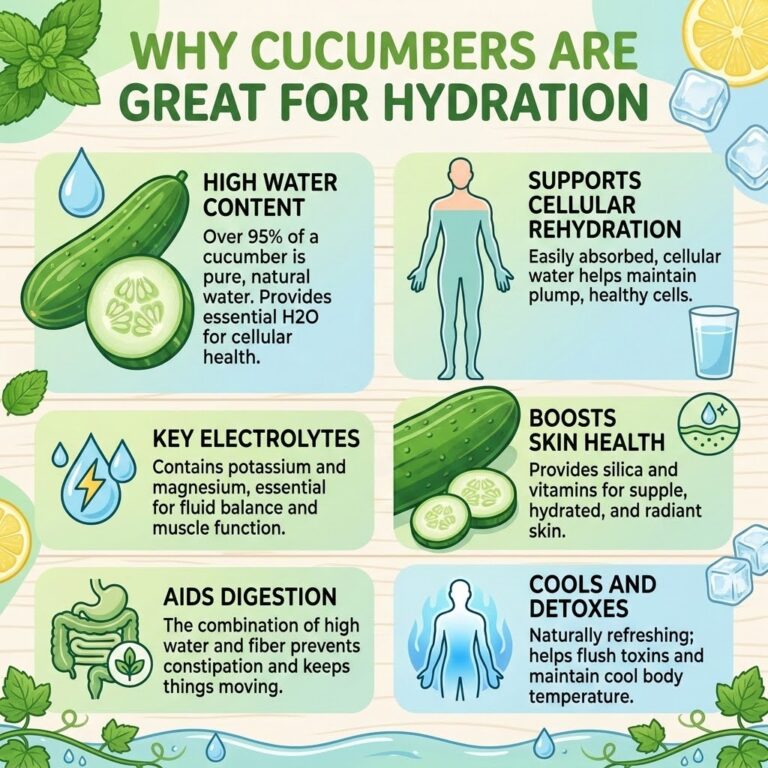
Bottled water, sugary drinks, and packaged snacks can quietly inflate your food budget. Instead, drink tap or filtered water and flavor it with lemon, cucumber, or mint. Brew your own iced tea or coffee at home.
For snacks, choose whole foods like apples with peanut butter, hard-boiled eggs, or homemade trail mix. These cost far less than pre-portioned chips or granola bars and offer better nutrition. Prepping snacks in advance prevents impulse buys at checkout.
Key Takeaways: Simple Rules for Lasting Success
- Plan meals weekly and shop with a list to avoid waste and overspending.
- Prioritize plant-based proteins and seasonal produce for maximum nutrition per dollar.
- Buy store brands, shop at discount markets, and compare unit prices.
- Batch cook and freeze meals to save time and money during busy weeks.
- Use pantry staples like beans, grains, and spices to build flavorful, low-cost dishes.
- Repurpose leftovers and avoid processed snacks to stretch your budget further.
FAQ: Common Questions About Budget-Friendly Healthy Eating
Can I really eat healthy on $50 a week?
Yes—especially if you focus on plant-based proteins, seasonal produce, and pantry staples. With careful planning and smart shopping, many people successfully feed themselves on $50 or less per week. It requires avoiding convenience foods and cooking from scratch, but the savings and health benefits are worth it.
Are frozen vegetables as healthy as fresh?
Absolutely. Frozen vegetables are typically flash-frozen at peak ripeness, which locks in nutrients. In many cases, they retain more vitamins than fresh produce that has been transported and stored for days. They’re also more affordable and reduce food waste.
How do I avoid getting bored with the same meals?
Rotate your recipes weekly and experiment with different cuisines—Mexican, Indian, Mediterranean, and Asian dishes all use affordable base ingredients but offer bold, varied flavors. Use spices, herbs, and sauces to transform simple ingredients like rice and beans into exciting new meals.
Making healthy meals on a budget isn’t about deprivation—it’s about making intentional choices that support both your health and your wallet. With a little planning, creativity, and knowledge of where to find value, nutritious eating becomes accessible to everyone. Start small, stay consistent, and watch your savings—and energy levels—grow.
About the Author