Struggling to shed those stubborn pounds? You’re not alone. One of the most effective—and often overlooked—strategies for fast weight loss is filling your plate with the right vegetables. The best vegetables for fast weight loss are low in calories, high in fiber, and packed with nutrients that boost metabolism and curb hunger. These natural powerhouses help you feel full longer, reduce cravings, and support fat burning—all without extreme dieting or exhausting workouts.
Forget fad diets and expensive supplements. Nature offers everything you need. In this guide, we’ll explore the top vegetables scientifically proven to accelerate weight loss, how to prepare them for maximum benefit, and practical tips to make them a delicious part of your daily routine. Whether you’re aiming to lose 5 pounds or 50, these vegetables are your secret weapon.
Why Vegetables Are Essential for Fast Weight Loss
Vegetables are the foundation of any effective weight loss plan. They’re naturally low in calories and high in water content, which means you can eat large portions without consuming excess energy. This creates a calorie deficit—the key to losing weight—while still feeling satisfied.
Fiber is another major player. Soluble and insoluble fiber in vegetables slows digestion, stabilizes blood sugar, and reduces insulin spikes that can lead to fat storage. Plus, fiber feeds your gut microbiome, which emerging research links to healthy weight management.
Many vegetables also contain compounds like antioxidants and phytochemicals that support metabolic health. For example, compounds in cruciferous vegetables may help regulate hormones involved in fat storage. When combined with regular physical activity and balanced protein intake, these veggies become even more powerful.
Top 10 Best Vegetables for Fast Weight Loss
1. Spinach
Spinach is a leafy green superstar. With only 7 calories per cup (raw), it’s one of the most nutrient-dense foods on the planet. It’s rich in iron, magnesium, and vitamins A, C, and K—all while being virtually fat-free. Its high fiber content helps control appetite, and studies suggest it may reduce cravings for sweet and salty foods.
2. Broccoli
Broccoli is a cruciferous vegetable loaded with sulforaphane, a compound shown to enhance fat burning and reduce inflammation. One cup of chopped broccoli contains just 31 calories but provides over 100% of your daily vitamin C needs. Steam it lightly to preserve nutrients and maximize its weight-loss benefits.
3. Cauliflower
Low in carbs and high in fiber, cauliflower is a versatile veggie that can replace higher-calorie staples like rice or mashed potatoes. At just 25 calories per cup, it’s ideal for creating volume in meals without adding excess energy. Its mild flavor makes it perfect for absorbing spices and sauces.
4. Zucchini
Zucchini is another low-calorie, high-water-content vegetable—only 20 calories per cup. It’s rich in potassium and antioxidants like lutein, which support overall health. Spiralized zucchini noodles (“zoodles”) are a popular pasta alternative that satisfies cravings without the carb load.
5. Bell Peppers
Colorful bell peppers are not just vibrant—they’re nutritional powerhouses. Red peppers, in particular, contain twice as much vitamin C as oranges and are rich in capsaicin-like compounds that may boost metabolism. Their crisp texture and natural sweetness make them great for snacking or adding crunch to salads.
6. Cucumber
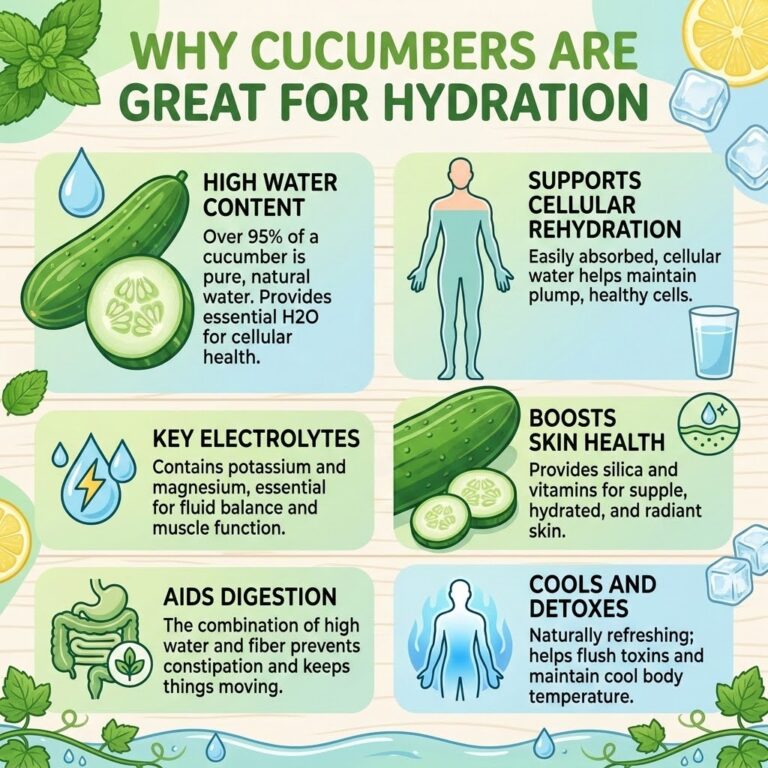
With 96% water content, cucumbers are excellent for hydration and satiety. One medium cucumber has only 45 calories and provides a refreshing crunch. Add slices to water for a flavorful, zero-calorie drink that helps curb midday munching.
7. Kale
Kale is often called a “superfood” for good reason. It’s loaded with vitamins, minerals, and antioxidants like quercetin and kaempferol. Just one cup of raw kale has 33 calories and nearly 3 grams of fiber. Massage it with lemon juice to soften leaves for salads or bake into crispy chips.
8. Asparagus
Asparagus is not only low in calories (20 per cup) but also acts as a natural diuretic, helping reduce water retention. It’s rich in prebiotic fiber, which supports gut health—a key factor in maintaining a healthy weight. Grill or roast with a touch of olive oil for a flavorful side dish.
9. Green Beans
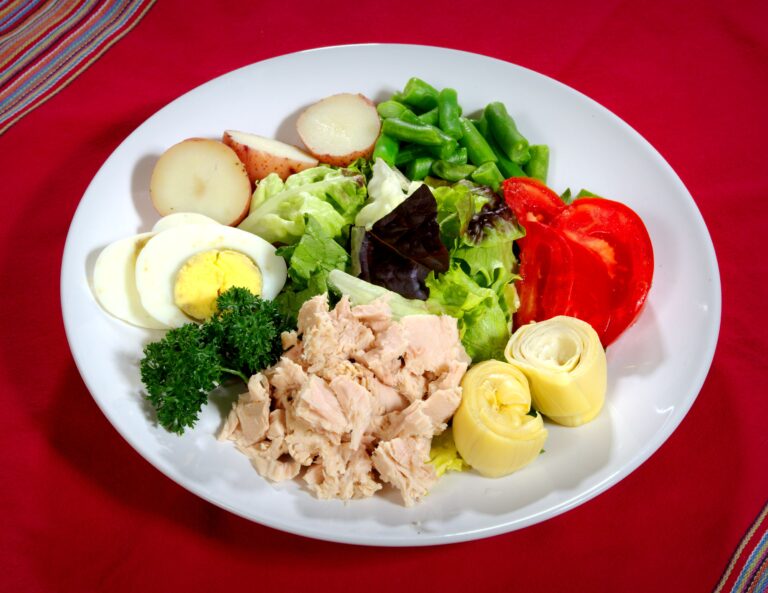
Green beans are fiber-rich and low in calories (31 per cup), making them ideal for weight loss. They’re also a good source of plant-based protein and contain compounds that may improve insulin sensitivity. Steam or sauté with garlic for a simple, satisfying side.
10. Celery
Celery is famous for being “negative calorie”—meaning your body burns more calories digesting it than it provides. With just 10 calories per stalk, it’s perfect for snacking. Pair with nut butter or hummus for a balanced, satisfying bite.
How to Maximize Weight Loss with Vegetables
Eating vegetables alone won’t guarantee weight loss—how you prepare and combine them matters. Avoid drowning them in high-calorie sauces, butter, or cheese. Instead, opt for healthy cooking methods like steaming, roasting, grilling, or eating them raw.
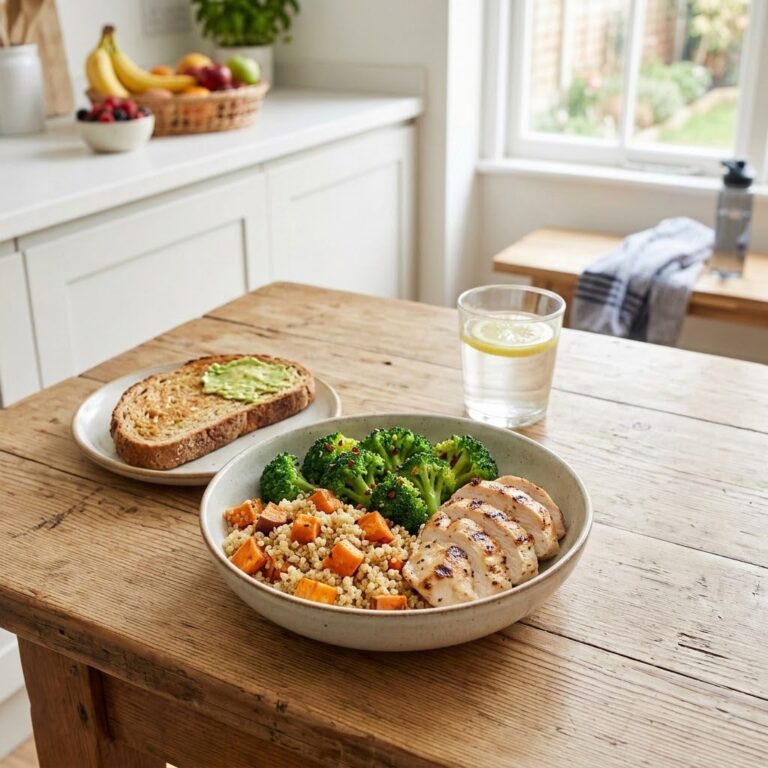
Pair vegetables with lean proteins like grilled chicken, tofu, or eggs to create balanced meals that keep you full longer. Adding a small amount of healthy fat—such as avocado or olive oil—can also enhance nutrient absorption and satisfaction.
Timing matters too. Eating a vegetable-rich meal before a higher-calorie dish can reduce overall intake by promoting early fullness. Try starting lunch or dinner with a large salad or broth-based vegetable soup.
Common Mistakes to Avoid
Even healthy eaters make errors that slow progress. One common mistake is over-relying on starchy vegetables like potatoes or corn, which are higher in calories and carbohydrates. While nutritious, they should be eaten in moderation during active weight loss.
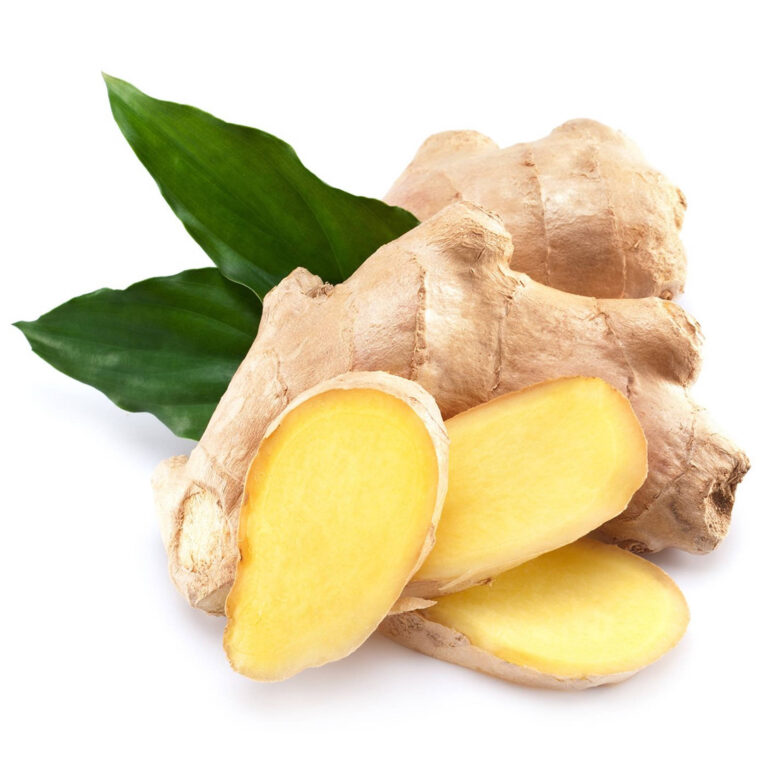
Another pitfall is under-seasoning. Bland food leads to boredom and cravings. Use herbs, spices, citrus, and vinegar to add flavor without extra calories. Turmeric, garlic, ginger, and chili flakes not only enhance taste but also offer metabolic benefits.
Finally, don’t skip vegetables at breakfast. Starting your day with veggies—like spinach in an omelet or bell peppers in a frittata—sets a healthy tone and increases daily fiber intake.
Key Takeaways
- The best vegetables for fast weight loss are low in calories, high in fiber, and rich in nutrients.
- Leafy greens like spinach and kale, cruciferous veggies like broccoli and cauliflower, and water-rich options like cucumber and zucchini are top choices.
- Preparation matters: avoid high-calorie sauces and opt for steaming, grilling, or raw consumption.
- Combine vegetables with lean protein and healthy fats for balanced, satisfying meals.
- Eat vegetables early in meals to promote fullness and reduce overall calorie intake.
FAQ
Can I eat unlimited vegetables while trying to lose weight?
While most non-starchy vegetables are very low in calories and can be eaten in large quantities, portion control still matters—especially with starchy options like potatoes or sweet potatoes. Focus on variety and balance to avoid nutrient gaps.
Are frozen vegetables as effective as fresh for weight loss?
Yes! Frozen vegetables are often flash-frozen at peak ripeness, preserving nutrients. They’re convenient, affordable, and just as effective for weight loss—just avoid added sauces or seasonings with added salt and sugar.
How quickly can I expect to see results from eating more vegetables?
Results vary, but many people notice reduced bloating, increased energy, and appetite control within days of increasing vegetable intake. Visible weight loss typically begins within 1–2 weeks when combined with a calorie-controlled diet and regular activity.
Ready to transform your plate and your waistline? Start by adding two new vegetables from this list to your meals this week. Your body—and your scale—will thank you.
About the Author