You’ve just crushed your workout—sweat dripping, muscles burning, heart racing. Now what? What you eat after a workout matters just as much as the effort you put in. The right post-exercise meal fuels recovery, rebuilds muscle, and restores energy. Without proper nutrition, your hard work could go to waste. That’s why knowing the best foods to eat after a workout is essential for anyone serious about fitness, strength, or endurance.
Your body is like a high-performance machine. After intense physical activity, it needs the right fuel to repair tissue, replenish glycogen stores, and reduce inflammation. The ideal post-workout meal combines protein for muscle repair, carbohydrates to restore energy, and healthy fats to support overall recovery. Timing also plays a role—eating within 30 to 60 minutes after exercise maximizes nutrient absorption and accelerates healing.
Let’s dive into the top foods that deliver exactly what your body needs after a tough session. Whether you’re lifting weights, running, cycling, or doing high-intensity interval training (HIIT), these foods will help you recover faster and perform better next time.
Why Post-Workout Nutrition Matters
Exercise breaks down muscle fibers and depletes your body’s stored energy. Without proper refueling, your body can’t repair itself efficiently. This leads to prolonged soreness, fatigue, and even increased risk of injury. Post-workout nutrition isn’t just about satisfying hunger—it’s about strategic recovery.
Protein helps rebuild damaged muscle tissue, while carbohydrates restore glycogen, the primary fuel source for your muscles. Electrolytes like sodium and potassium, lost through sweat, need to be replaced to maintain fluid balance. Antioxidant-rich foods also combat oxidative stress caused by intense exercise.
Ignoring post-exercise nutrition means missing out on gains. Even the most dedicated workouts can fall short if recovery isn’t prioritized. That’s why choosing the best foods to eat after a workout is a game-changer for athletes, gym-goers, and fitness enthusiasts alike.
Top Protein-Rich Foods for Muscle Recovery
Protein is the cornerstone of post-workout recovery. It provides amino acids—especially leucine—that kickstart muscle protein synthesis. Aim for 20–30 grams of high-quality protein within an hour after training.
1. Grilled Chicken Breast
A lean source of complete protein, chicken breast delivers all essential amino acids. It’s low in fat, easy to digest, and pairs well with vegetables or rice. A 3-ounce serving provides about 26 grams of protein—perfect for rebuilding muscle after strength training.
2. Greek Yogurt
Rich in casein and whey protein, Greek yogurt digests slowly, providing a steady stream of amino acids. Choose plain, unsweetened varieties to avoid added sugars. Add berries or honey for natural sweetness and extra antioxidants.
3. Eggs
Whole eggs offer a powerful combo of protein and healthy fats. The yolk contains choline and vitamin D, both important for muscle function and recovery. Hard-boiled eggs make a convenient, portable snack after a workout.
4. Cottage Cheese
Another slow-digesting protein, cottage cheese is ideal for nighttime recovery or post-evening workouts. A half-cup serving has about 14 grams of protein and pairs well with fruit or nuts.
5. Salmon
Beyond protein, salmon provides omega-3 fatty acids that reduce inflammation and support joint health. Wild-caught salmon is especially rich in DHA and EPA, which may speed up recovery time.
Best Carbohydrates to Replenish Energy
Carbs aren’t the enemy—especially after a workout. They replenish glycogen stores, which are depleted during exercise. Without enough carbs, your body may break down muscle for energy, slowing recovery.
1. Sweet Potatoes
Loaded with complex carbs, fiber, and vitamin A, sweet potatoes are a nutrient-dense choice. Bake or mash them for a satisfying, energy-boosting side dish. Their natural sweetness makes them a favorite among athletes.
2. Oats
Oats are rich in soluble fiber and slow-releasing carbohydrates. A bowl of oatmeal with banana and almond butter offers sustained energy and supports muscle repair. Overnight oats are a convenient make-ahead option.
3. Quinoa
This complete protein grain also delivers complex carbs and essential minerals like magnesium and iron. Use quinoa as a base for post-workout bowls with veggies, beans, and grilled chicken.
4. Bananas
One of the most convenient post-exercise snacks, bananas are rich in potassium and fast-digesting carbs. They help restore electrolyte balance and prevent muscle cramps. Eat one within 30 minutes of finishing your workout.
5. Brown Rice
A staple in many athletes’ diets, brown rice provides long-lasting energy and pairs well with lean proteins. It’s especially effective after endurance workouts like running or cycling.
Healthy Fats That Support Recovery
While protein and carbs take the spotlight, healthy fats play a crucial role in long-term recovery. They reduce inflammation, support hormone production, and aid in nutrient absorption.
1. Avocados
Packed with monounsaturated fats, potassium, and fiber, avocados are a powerhouse for recovery. Slice them on toast, blend into smoothies, or add to salads for a creamy, satisfying boost.
2. Nuts and Seeds
Almonds, walnuts, chia seeds, and flaxseeds offer a mix of protein, fiber, and omega-3s. A small handful makes a great post-workout snack. Opt for unsalted varieties to avoid excess sodium.
3. Nut Butters
Natural peanut, almond, or cashew butter provides healthy fats and a bit of protein. Spread on apple slices or rice cakes for a balanced, tasty recovery option.
4. Olive Oil
Drizzle extra virgin olive oil over vegetables or whole grains for a dose of anti-inflammatory fats. It’s rich in oleic acid and polyphenols, which support heart and muscle health.
Hydration and Electrolyte Balance
Rehydrating is just as important as eating. Sweating leads to fluid and electrolyte loss, which can impair performance and delay recovery.
Water should be your go-to for rehydration, but after intense or prolonged exercise, consider electrolyte-rich drinks. Coconut water, for example, naturally contains potassium, sodium, and magnesium. It’s a great alternative to sugary sports drinks.
If you’re training in hot conditions or for more than 60 minutes, a balanced electrolyte beverage can help restore balance. Look for options with minimal added sugar and no artificial ingredients.
Top Post-Workout Food Combinations
Combining the right foods maximizes recovery. Here are a few balanced, effective post-exercise meals:
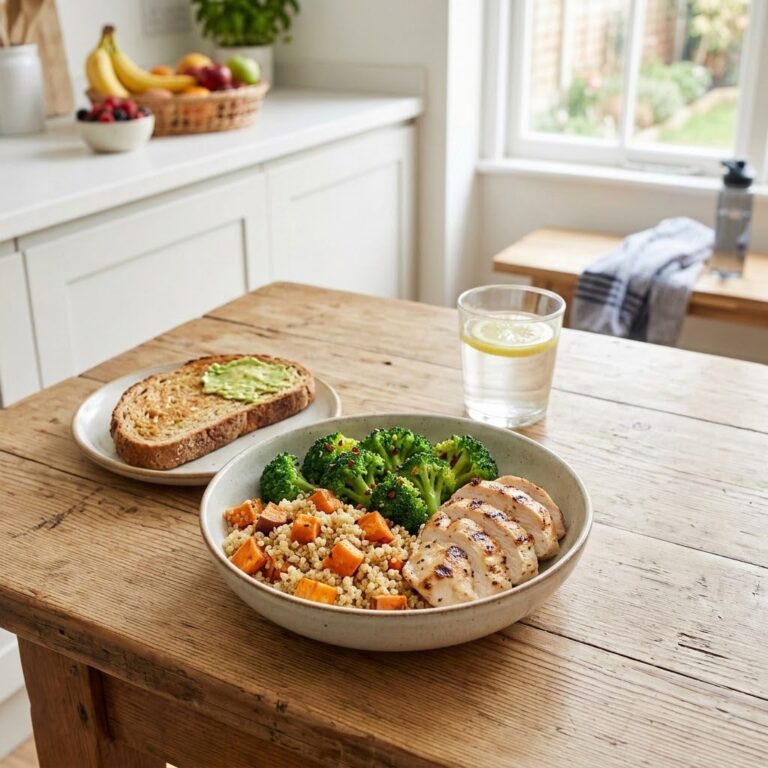
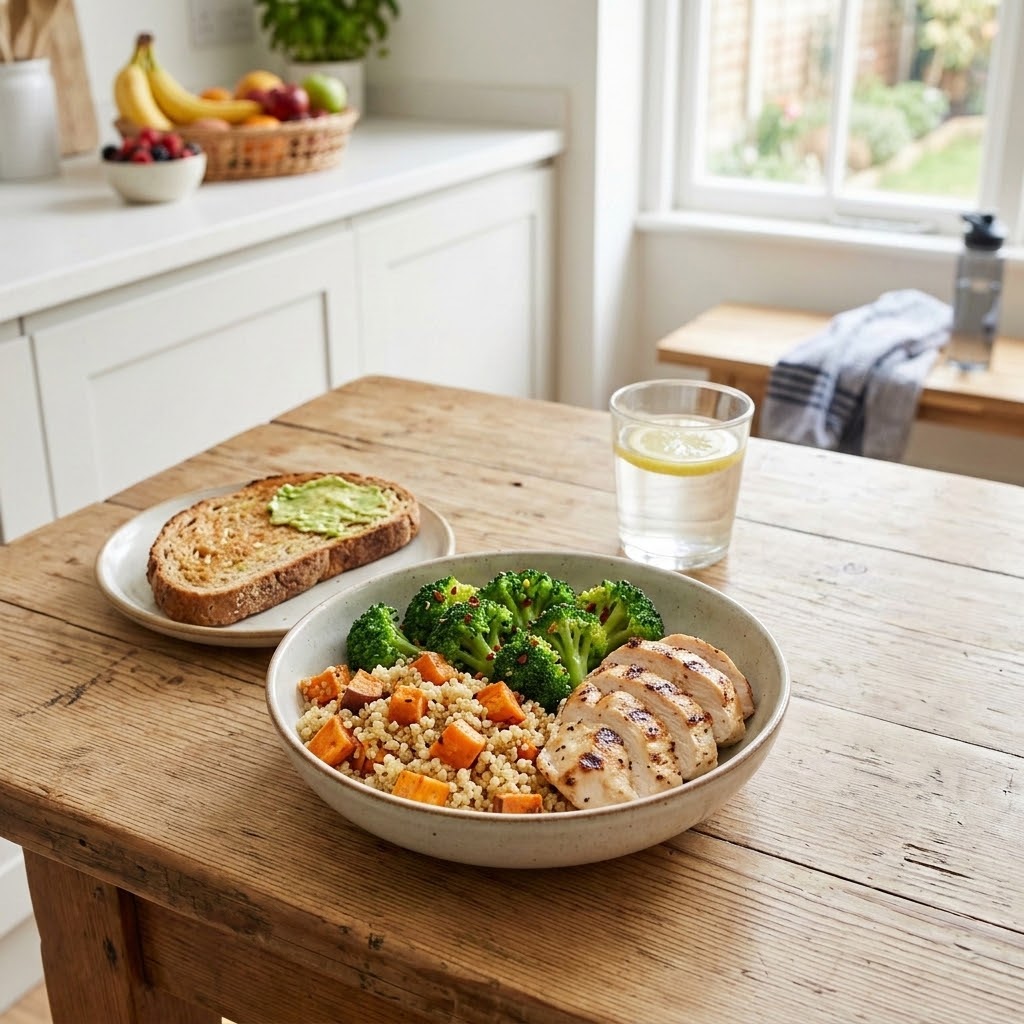
- Chicken + Sweet Potato + Steamed Broccoli: High in protein, complex carbs, and antioxidants.
- Greek Yogurt + Berries + Granola: Quick-digesting protein with natural sugars and fiber.
- Salmon + Quinoa + Spinach Salad: Omega-3s, complete protein, and iron for endurance athletes.
- Oatmeal + Banana + Almond Butter: Sustained energy and muscle support.
- Smoothie with Whey Protein, Spinach, Banana, and Almond Milk: Fast-absorbing nutrients for on-the-go recovery.
Foods to Avoid After a Workout
Not all foods support recovery. Some can slow digestion, increase inflammation, or hinder nutrient absorption.
Avoid highly processed snacks, sugary drinks, and fried foods. These offer little nutritional value and may spike blood sugar, leading to energy crashes. Alcohol should also be limited, as it dehydrates the body and impairs muscle repair.
While a small treat is fine occasionally, prioritize whole, nutrient-dense foods to get the most from your workout efforts.
Timing Matters: When to Eat After Exercise
The anabolic window—the period right after exercise—is often cited as critical for nutrient intake. While research shows this window may be wider than once thought (up to 2 hours), eating within 30 to 60 minutes is still ideal for most people.
Consuming protein and carbs soon after training enhances glycogen resynthesis and muscle protein synthesis. If you can’t eat a full meal immediately, a protein shake or banana with peanut butter can bridge the gap.
Key Takeaways
- The best foods to eat after a workout include lean proteins, complex carbohydrates, and healthy fats.
- Protein repairs muscle, carbs restore energy, and fats reduce inflammation.
- Timing matters—aim to eat within 30 to 60 minutes post-exercise.
- Hydration and electrolyte balance are essential for full recovery.
- Avoid processed, sugary, or fried foods that hinder recovery.
- Combine foods strategically for maximum benefit—like chicken with sweet potato or Greek yogurt with berries.
FAQ
Can I eat fruit right after a workout?
Yes! Fruits like bananas, berries, and oranges are excellent post-workout choices. They provide fast-digesting carbs to replenish glycogen and antioxidants to reduce muscle soreness. Pair fruit with a protein source for balanced recovery.
Is a protein shake better than whole food after a workout?
Protein shakes are convenient and quickly absorbed, making them great for immediate post-exercise recovery. However, whole foods offer additional nutrients like fiber, vitamins, and minerals. For best results, use shakes when whole food isn’t available, but prioritize real meals when possible.
How long after a workout should I wait to eat?
Ideally, eat within 30 to 60 minutes after exercising. This window supports optimal muscle repair and energy restoration. If you’re not hungry right away, try a small snack like a banana or protein bar and have a full meal within two hours.
About the Author