Looking for a vegetable that packs a serious nutritional punch? Broccoli stands out as one of the healthiest vegetables you can add to your plate. Rich in vitamins, minerals, and powerful plant compounds, broccoli supports everything from immune function to long-term disease prevention. Whether steamed, roasted, or eaten raw, this cruciferous vegetable delivers a wide range of health benefits that make it a must-have in any balanced diet.
Loaded with Essential Vitamins and Minerals
Broccoli is a nutritional powerhouse, offering a dense concentration of essential nutrients in every bite. Just one cup of raw broccoli provides over 100% of your daily vitamin K needs and nearly 140% of your vitamin C requirement. These two vitamins play crucial roles in bone health and immune defense.
It’s also an excellent source of folate, vitamin A, and potassium. Folate supports cell growth and DNA synthesis, making it especially important for pregnant women. Vitamin A promotes healthy vision and skin, while potassium helps regulate blood pressure and fluid balance.
Beyond vitamins, broccoli contains key minerals like iron, magnesium, and calcium. Though not as high in calcium as dairy, broccoli’s calcium is highly bioavailable, meaning your body absorbs it efficiently. This makes it a great option for those avoiding animal products.
Micronutrient Breakdown per Cup (Raw)
- Vitamin C: 81 mg (135% DV)
- Vitamin K: 93 mcg (116% DV)
- Folate: 57 mcg (14% DV)
- Potassium: 288 mg (8% DV)
- Iron: 0.7 mg (4% DV)
Rich in Antioxidants and Anti-Inflammatory Compounds
One of the standout reasons broccoli is one of the healthiest vegetables is its impressive antioxidant profile. Antioxidants help neutralize harmful free radicals in the body, reducing oxidative stress and inflammation—two key drivers of chronic disease.
Broccoli contains high levels of sulforaphane, a sulfur-rich compound with potent anti-inflammatory and detoxifying properties. Studies show sulforaphane may help protect cells from DNA damage and support the body’s natural detox processes.
It’s also rich in flavonoids like kaempferol and quercetin, which have been linked to reduced risk of heart disease and certain cancers. These compounds work synergistically with vitamins C and E to enhance overall antioxidant defense.
Key Antioxidants in Broccoli
- Sulforaphane: Supports detoxification and may inhibit cancer cell growth
- Vitamin C: Boosts immunity and protects against cellular damage
- Beta-carotene: Converts to vitamin A and supports eye health
- Glucoraphanin: Precursor to sulforaphane; activated when broccoli is chewed or chopped
Supports Heart Health and Reduces Cholesterol
Heart disease remains a leading cause of death worldwide, but diet plays a powerful role in prevention. Broccoli contributes to cardiovascular wellness in several ways.
Its high fiber content—about 2.4 grams per cup—helps lower LDL (“bad”) cholesterol by binding to bile acids in the digestive system and promoting their excretion. This forces the liver to use circulating cholesterol to make new bile, effectively reducing overall cholesterol levels.
The presence of sulforaphane also helps regulate blood pressure by improving endothelial function—the health of the inner lining of blood vessels. Additionally, broccoli’s anti-inflammatory effects may reduce arterial plaque buildup over time.
Regular consumption of cruciferous vegetables like broccoli has been associated with a lower risk of stroke, heart attack, and other cardiovascular events in large population studies.
Aids Digestion and Gut Health
A healthy gut is the foundation of overall wellness, and broccoli supports digestive health on multiple fronts. Its high fiber content promotes regular bowel movements and feeds beneficial gut bacteria.
Broccoli contains both soluble and insoluble fiber. Soluble fiber forms a gel-like substance in the gut, slowing digestion and helping regulate blood sugar. Insoluble fiber adds bulk to stool, preventing constipation and supporting a healthy colon.
Emerging research suggests that sulforaphane may also protect the gut lining and reduce inflammation in conditions like inflammatory bowel disease (IBD). Its antimicrobial properties may help balance gut microbiota by inhibiting harmful bacteria while sparing beneficial strains.
For optimal digestive benefits, aim to eat a mix of raw and cooked broccoli. Light steaming preserves most nutrients while making fiber easier to digest.
May Help Prevent and Fight Cancer
One of the most compelling reasons broccoli is considered one of the healthiest vegetables is its potential role in cancer prevention. Cruciferous vegetables have been extensively studied for their chemoprotective properties.
Sulforaphane, in particular, has shown promise in laboratory and animal studies for inhibiting the growth of cancer cells—especially in breast, prostate, colon, and lung cancers. It works by activating detoxifying enzymes, reducing inflammation, and promoting apoptosis (programmed cell death) in damaged cells.
Broccoli sprouts—young broccoli plants harvested within 3–5 days of germination—contain up to 100 times more sulforaphane than mature broccoli. Including broccoli sprouts in your diet can significantly boost your intake of this powerful compound.
While no single food can prevent cancer, consistent consumption of broccoli as part of a plant-rich diet is linked to lower cancer risk in observational studies.
Supports Immune Function and Detoxification
Your immune system relies on a steady supply of nutrients to function optimally, and broccoli delivers. Vitamin C stimulates the production of white blood cells and enhances the skin’s barrier function against pathogens.
Beyond vitamin C, broccoli supports detoxification pathways in the liver. The liver uses two phases to process and eliminate toxins, and sulforaphane enhances both. It boosts the activity of phase II detox enzymes, which neutralize harmful substances before they can damage cells.
This detox support is especially valuable in modern environments filled with pollutants, processed foods, and environmental toxins. Eating broccoli regularly helps your body cope with these daily challenges more effectively.
Promotes Healthy Skin and Anti-Aging
Your skin reflects your internal health, and broccoli contributes to a radiant, youthful complexion. Vitamin C is essential for collagen synthesis—the protein that keeps skin firm and elastic.
Antioxidants like sulforaphane and beta-carotene protect skin cells from UV damage and environmental stressors. Some studies suggest sulforaphane may even help repair sun-damaged skin at the cellular level.
Broccoli also contains lutein and zeaxanthin, carotenoids known for protecting the eyes—but they also benefit the skin by filtering harmful blue light and reducing oxidative stress.
For glowing skin, pair broccoli with healthy fats like olive oil or avocado. Fat-soluble nutrients like vitamin A and lutein are better absorbed when consumed with dietary fat.
Weight Management and Satiety
If you’re looking to manage your weight, broccoli is an excellent ally. It’s low in calories—just 31 calories per cup raw—but high in volume and fiber, which helps you feel full longer.
The combination of protein (about 3 grams per cup) and fiber slows digestion, stabilizing blood sugar and reducing cravings. This makes broccoli a smart choice for snacks, salads, or side dishes.
Because it’s nutrient-dense, broccoli helps prevent nutrient deficiencies that can occur during calorie restriction. You get maximum nutrition with minimal calories—perfect for sustainable weight loss.
How to Maximize Broccoli’s Health Benefits
To get the most out of broccoli, preparation matters. Overcooking can destroy heat-sensitive nutrients like vitamin C and sulforaphane.
Light steaming for 3–5 minutes preserves most nutrients and enhances sulforaphane formation. Chopping or chewing broccoli activates the enzyme myrosinase, which converts glucoraphanin into sulforaphane.
Avoid boiling, as it leaches water-soluble vitamins into the cooking water. If you do boil, use the water in soups or sauces to retain nutrients.
Pairing broccoli with a source of healthy fat—like olive oil, nuts, or seeds—improves absorption of fat-soluble vitamins A, E, and K.
Best Ways to Eat Broccoli
- Steamed with a drizzle of olive oil and lemon
- Roasted with garlic and chili flakes
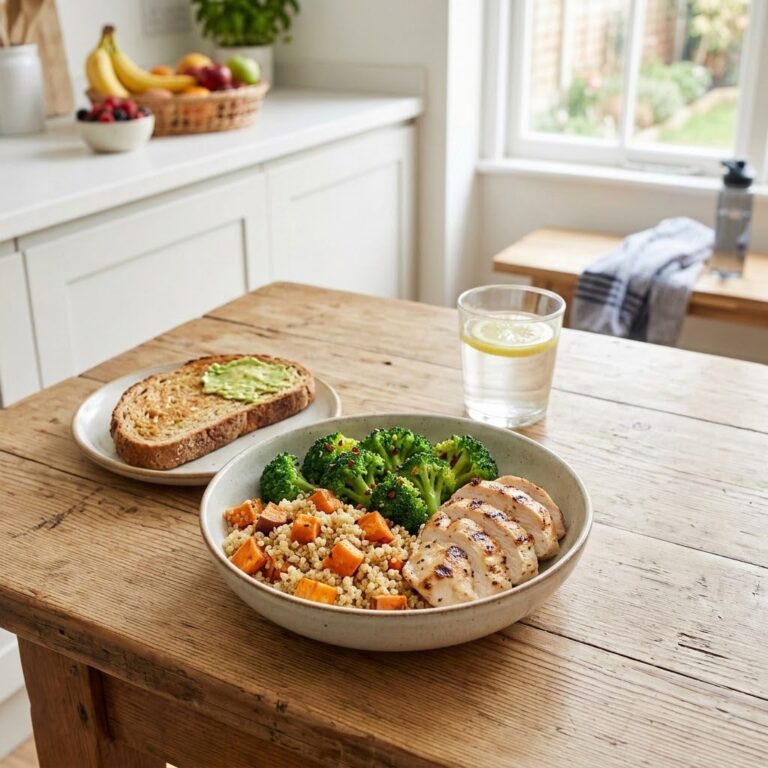
- Added to stir-fries or grain bowls
- Blended into soups or smoothies
- Eaten raw in salads or with hummus
Key Takeaways
- Broccoli is one of the healthiest vegetables due to its rich nutrient profile and disease-fighting compounds.
- It’s exceptionally high in vitamins C and K, folate, fiber, and antioxidants like sulforaphane.
- Regular consumption supports heart health, digestion, immunity, and may reduce cancer risk.
- Light cooking methods like steaming preserve nutrients and enhance bioavailability.
- Including broccoli in your daily diet is a simple, effective step toward better long-term health.
FAQ
Is raw or cooked broccoli healthier?
Both raw and cooked broccoli offer health benefits. Raw broccoli retains more vitamin C, while light cooking (like steaming) enhances the availability of sulforaphane. For best results, include both forms in your diet.
Can broccoli help with detoxing the body?
Yes. Broccoli supports liver detoxification pathways, especially through sulforaphane, which boosts the production of detox enzymes. However, it’s not a “detox miracle”—it works best as part of an overall healthy lifestyle.
How much broccoli should I eat per day?
There’s no strict rule, but nutrition experts recommend 1–2 cups of cruciferous vegetables like broccoli per day. This amount provides significant health benefits without overloading on fiber, which can cause digestive discomfort in some people.
About the Author