Staying hydrated doesn’t always mean reaching for a glass of water. Some of the most effective hydration sources are hiding in your kitchen’s produce drawer. The best fruits and vegetables for hydration pack high water content while delivering essential vitamins, minerals, and electrolytes—making them a smart, tasty alternative or complement to plain water. Whether you’re an athlete, someone battling summer heat, or simply aiming to boost your daily fluid intake, these water-rich foods can significantly support your body’s hydration needs.
Why Hydration Goes Beyond Water
Hydration isn’t just about drinking fluids—it’s about maintaining the right balance of water and electrolytes in your body. While water is essential, many people overlook the role that food plays in keeping us hydrated. In fact, up to 20% of our daily water intake can come from food, especially fruits and vegetables with high moisture content.
These water-rich foods offer more than just hydration. They contain potassium, magnesium, and sodium—electrolytes that help regulate fluid balance, support muscle function, and prevent cramping. Plus, their natural sugars provide a gentle energy boost, making them ideal for post-workout recovery or midday slumps.
Choosing the best fruits and vegetables for hydration means selecting options that not only quench thirst but also nourish your body with minimal processing and added sugars—unlike many commercial sports drinks.
Top Fruits for Maximum Hydration
Watermelon: The Hydration Champion
Watermelon is arguably the king of hydrating fruits. Composed of about 92% water, it’s one of the most effective natural sources of hydration. Its high water content is complemented by electrolytes like potassium and magnesium, which help maintain fluid balance.
Watermelon also contains lycopene, a powerful antioxidant linked to heart health and reduced inflammation. Its mild sweetness makes it a refreshing snack, especially during hot weather or after physical activity.
Cucumber: Cool, Crisp, and Refreshing
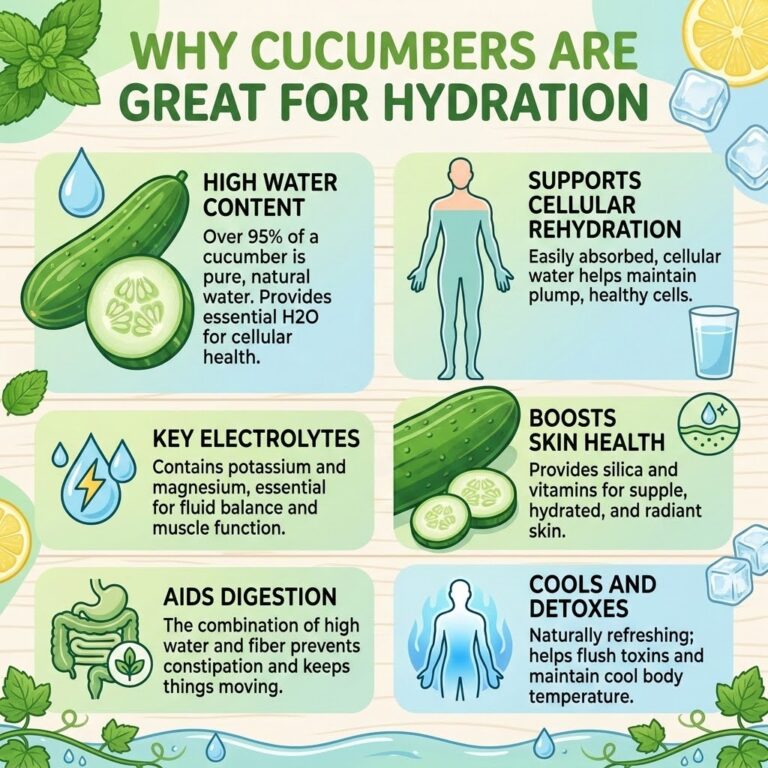
Though technically a fruit botanically, cucumbers are often treated as vegetables in culinary use. With a staggering 96% water content, they’re among the most hydrating foods available. Their mild flavor and crisp texture make them perfect for salads, infused water, or as a low-calorie snack.
Cucumbers also provide small amounts of vitamin K, potassium, and antioxidants like beta-carotene. Their high water and fiber content support digestion and help you feel full longer.
Strawberries: Sweet and Moisture-Packed
Strawberries are not only delicious but also incredibly hydrating, containing about 91% water. They’re rich in vitamin C, manganese, and antioxidants, which support immune function and skin health.
Their natural sweetness satisfies cravings without added sugar, making them a smart choice for hydration and weight management. Add them to smoothies, yogurt, or enjoy them fresh for a juicy, thirst-quenching treat.
Oranges: Citrus Powerhouses for Fluids and Nutrients
Oranges are famous for their vitamin C content, but they’re also excellent for hydration, with about 88% water. The combination of water, natural sugars, and electrolytes like potassium makes them ideal for rehydration after exercise or illness.
Eating an orange is often more hydrating than drinking orange juice, as the whole fruit retains fiber and reduces sugar absorption. Plus, the pulp adds bulk and aids digestion.
Cantaloupe: A Hydrating Melon with a Nutrient Boost
Cantaloupe, another member of the melon family, is about 90% water and rich in vitamins A and C. Its bright orange flesh signals high levels of beta-carotene, which supports eye health and immune function.
This sweet, fragrant fruit is easy to digest and pairs well with yogurt, salads, or as a standalone snack. Its natural sugars provide quick energy, while its water content helps replenish fluids.
Best Vegetables to Boost Your Hydration Levels
Celery: The Crunchy Hydrator
Celery is made up of about 95% water, making it one of the most hydrating vegetables. Its high water content, combined with natural sodium and potassium, helps restore electrolyte balance.
Despite its low calorie count, celery provides fiber, vitamin K, and antioxidants. Its crunchy texture also promotes saliva production, which aids in natural hydration and digestion.
Lettuce (Especially Romaine and Iceberg)
Leafy greens like romaine and iceberg lettuce are excellent sources of hydration. Iceberg lettuce, often criticized for low nutrient density, still contains about 96% water and provides a crisp, refreshing base for salads.
Romaine lettuce offers more vitamins A, C, and K, along with folate. Both types contribute significantly to daily fluid intake and are low in calories, making them ideal for hydration-focused meals.
Zucchini: A Versatile, Water-Rich Veggie
Zucchini is about 95% water and incredibly versatile in cooking. It can be spiralized into noodles, grilled, sautéed, or blended into soups and smoothies.
Beyond hydration, zucchini provides vitamin C, potassium, and antioxidants. Its mild flavor makes it easy to incorporate into both savory and sweet dishes without overpowering other ingredients.
Tomatoes: Juicy and Nutrient-Dense
Tomatoes are technically fruits but are commonly used as vegetables in cooking. They’re about 94% water and packed with lycopene, vitamin C, and potassium.
Whether eaten raw in salads, blended into gazpacho, or cooked into sauces, tomatoes contribute significantly to hydration. Their acidity also stimulates thirst and encourages fluid intake.
Bell Peppers: Colorful and Moisture-Rich
Bell peppers, especially the red and yellow varieties, contain about 92% water. They’re also rich in vitamin C—often containing more than an orange—and antioxidants like carotenoids.
Their crisp texture and sweet flavor make them a satisfying snack. Add them to stir-fries, salads, or enjoy them raw with hummus for a hydrating, nutrient-dense bite.
How to Maximize Hydration from Fruits and Vegetables
To get the most hydration from your produce, focus on freshness and variety. Choose fruits and vegetables at peak ripeness, as they contain the highest water content. Avoid overcooking, which can reduce moisture and nutrient levels.
Incorporate hydrating foods into every meal. Start your day with a fruit smoothie, add cucumber slices to your water, or include a side salad with lunch and dinner.
For active individuals, pairing water-rich foods with electrolyte sources—like a banana with a handful of nuts—can enhance rehydration after intense workouts.
Remember, while these foods support hydration, they shouldn’t completely replace water, especially during prolonged physical activity or in extreme heat. Use them as part of a balanced hydration strategy.
Key Takeaways: Hydrating Foods You Should Eat Daily
- Watermelon and cucumbers are among the most hydrating foods, with over 90% water content.
- Leafy greens like lettuce and spinach contribute significantly to fluid intake and are low in calories.
- Citrus fruits like oranges and grapefruits offer hydration plus immune-boosting vitamin C.
- Vegetables like celery, zucchini, and tomatoes are versatile, nutrient-rich, and excellent for maintaining fluid balance.
- Eating a variety of colorful produce ensures a broad spectrum of hydration-supporting nutrients and antioxidants.
FAQ: Your Questions About Hydrating Fruits and Vegetables Answered
Can fruits and vegetables really replace water for hydration?
While fruits and vegetables contribute significantly to hydration—up to 20% of daily fluid intake—they shouldn’t fully replace water. They’re best used as a complement to regular water consumption, especially during hot weather or after exercise.
Are frozen fruits and vegetables as hydrating as fresh ones?
Yes, frozen fruits and vegetables retain most of their water content and nutrients, especially if frozen shortly after harvest. They’re a convenient and effective option for hydration, particularly in smoothies or cooked dishes.
Do cooking methods affect the hydration value of vegetables?
Yes. Boiling or overcooking can reduce water content and leach out water-soluble vitamins. Steaming, roasting, or eating raw preserves more moisture and nutrients, maximizing hydration benefits.
Final Thoughts: Make Hydration Delicious and Nutritious
Hydration doesn’t have to be boring. By incorporating the best fruits and vegetables for hydration into your daily diet, you can boost your fluid intake while enjoying a variety of flavors, textures, and health benefits. From the juicy crunch of a cucumber to the sweet burst of a ripe strawberry, nature offers a delicious arsenal of tools to keep you hydrated.
Start small—add a side salad to your lunch, snack on watermelon slices in the afternoon, or blend a hydrating smoothie with spinach, banana, and orange juice. Over time, these habits will support not just hydration, but overall wellness, energy levels, and physical performance.
Remember, staying hydrated is a daily practice, and the foods you eat play a powerful role. Make every bite count by choosing water-rich, nutrient-dense produce that nourishes your body from the inside out.
About the Author