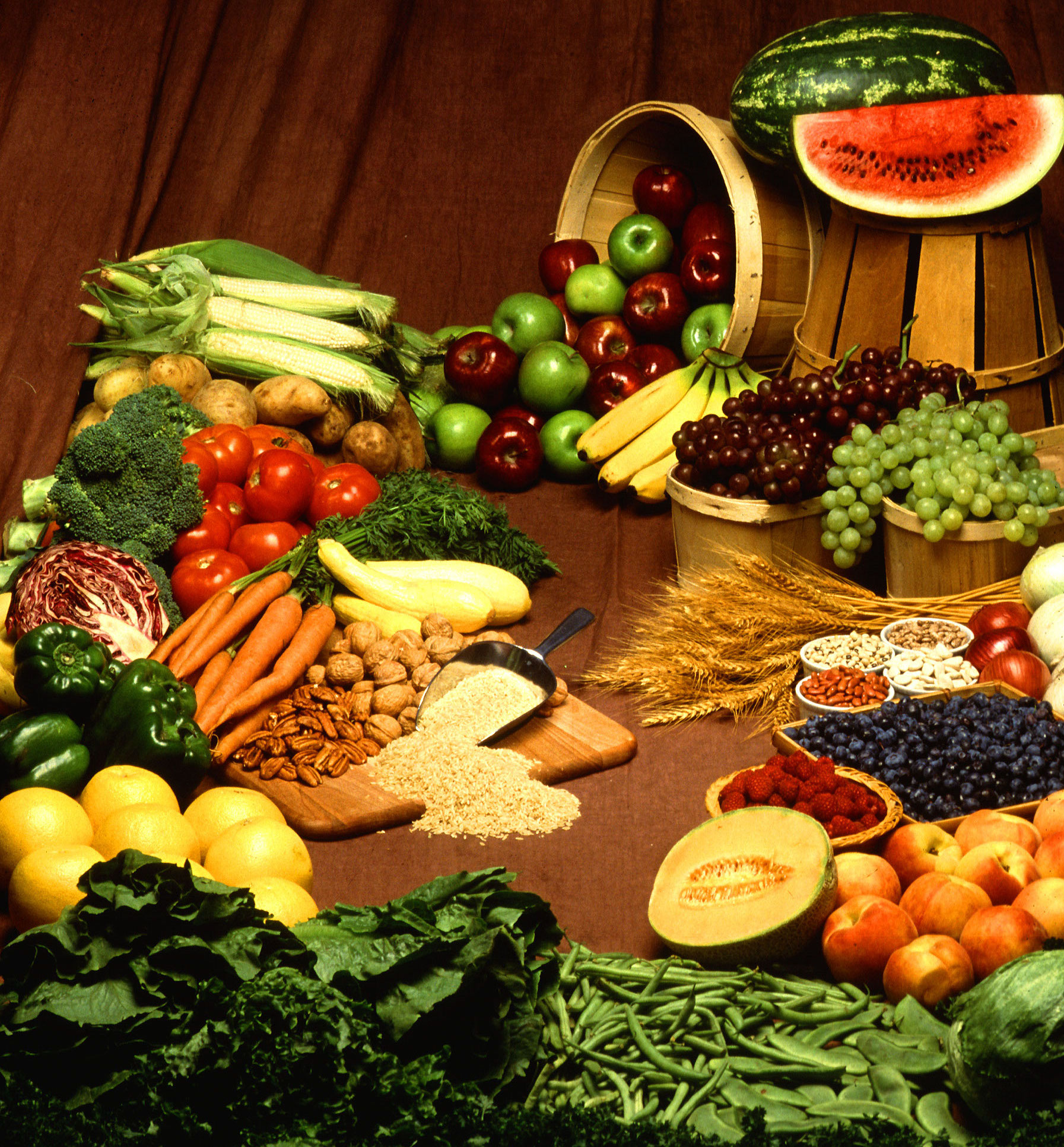
What if you could strengthen your body’s defenses simply by changing what’s on your plate? The right foods that naturally boost your immune system don’t just support wellness—they actively enhance your body’s ability to fight off infections, reduce inflammation, and recover faster from illness. With rising interest in preventive health, more people are turning to nutrition as a first line of defense. This article dives deep into the most effective immune-boosting foods, backed by science and rooted in real-world benefits.
Your immune system is a complex network of cells, tissues, and organs working around the clock. While no single food is a magic shield, a consistent intake of nutrient-dense, whole foods can significantly improve immune function. From vitamin C-packed citrus to gut-friendly fermented options, these foods deliver essential vitamins, minerals, antioxidants, and probiotics that keep your defenses sharp.
Top Immune-Boosting Foods You Should Eat Daily
1. Citrus Fruits: The Vitamin C Powerhouses
Oranges, lemons, grapefruits, and limes are among the most well-known foods that naturally boost your immune system. They’re loaded with vitamin C, a potent antioxidant that increases white blood cell production—your body’s key infection fighters. Just one medium orange provides over 70 mg of vitamin C, meeting most of your daily needs.
Vitamin C also helps shorten the duration of colds and supports skin barrier function, your body’s first physical defense. For best results, consume citrus fruits raw or lightly juiced, as heat can degrade vitamin C.
2. Garlic: Nature’s Antibiotic
Garlic has been used for centuries in traditional medicine, and modern science confirms its immune-enhancing properties. It contains allicin, a sulfur compound that activates immune cells and has antimicrobial effects.
Studies show that regular garlic consumption may reduce the frequency and severity of colds. To maximize benefits, crush or chop garlic and let it sit for 10 minutes before cooking—this boosts allicin formation.
3. Ginger: Anti-Inflammatory and Immune-Supportive
Ginger isn’t just for soothing sore throats—it’s a powerhouse of bioactive compounds like gingerol, which have strong anti-inflammatory and antioxidant effects. These properties help modulate the immune response and reduce oxidative stress.
Adding fresh ginger to teas, soups, or stir-fries can enhance both flavor and immune function. Its warming effect also supports circulation, which helps immune cells move efficiently through the body.
4. Spinach and Leafy Greens: Nutrient-Dense Immune Allies
Spinach, kale, Swiss chard, and other leafy greens are rich in vitamins A, C, and E, along with folate and fiber. Vitamin A is crucial for maintaining mucosal barriers in the respiratory and digestive tracts—key entry points for pathogens.
These greens also contain antioxidants like lutein and zeaxanthin, which protect cells from damage. Lightly steaming spinach helps increase the bioavailability of nutrients like iron and calcium.
5. Yogurt and Fermented Foods: Gut Health Equals Immune Health
Did you know that up to 70% of your immune system resides in your gut? Probiotic-rich foods like yogurt, kefir, sauerkraut, kimchi, and miso support a healthy gut microbiome, which is essential for immune regulation.
Look for yogurt with “live and active cultures” on the label. These beneficial bacteria help strengthen the gut lining and improve the body’s response to infections. Pair with fiber-rich foods (like berries or oats) to feed the good bacteria.
6. Almonds and Nuts: Vitamin E for Immune Resilience
Vitamin E is a fat-soluble antioxidant that plays a critical role in maintaining immune function, especially as we age. Almonds, sunflower seeds, and hazelnuts are excellent sources.
Just a small handful of almonds (about 23 nuts) provides nearly 40% of your daily vitamin E needs. Their healthy fats also help your body absorb other fat-soluble vitamins like A and D.
7. Turmeric: The Golden Spice with Immune Benefits
Turmeric contains curcumin, a compound with powerful anti-inflammatory and antioxidant properties. Chronic inflammation weakens the immune system, so reducing it is key to staying resilient.
Curcumin enhances antibody response and modulates immune cell activity. For better absorption, combine turmeric with black pepper and a healthy fat like olive oil or coconut milk.
8. Green Tea: Antioxidant-Rich Immune Support
Green tea is packed with epigallocatechin gallate (EGCG), a potent antioxidant that supports immune cell function and fights free radicals. It also contains L-theanine, an amino acid that may help produce germ-fighting compounds in T-cells.
Drinking 2–3 cups daily can contribute to long-term immune resilience. Choose high-quality, loose-leaf green tea for maximum benefits.
9. Berries: Small Fruits, Big Immune Impact
Blueberries, strawberries, raspberries, and blackberries are rich in flavonoids—antioxidants that help reduce oxidative stress and support immune signaling.
Studies suggest that people who eat berries regularly have a lower risk of respiratory infections. Their high fiber content also supports gut health, further boosting immunity.
10. Shellfish and Zinc-Rich Foods
Zinc is essential for immune cell development and communication. Oysters, crab, lobster, and lean meats are top sources. Even small deficiencies in zinc can impair immune function.
Zinc also helps wounds heal faster and supports taste and smell—functions often affected during illness. Vegetarians can get zinc from beans, seeds, and fortified cereals, though absorption is lower.
How to Build an Immune-Boosting Diet
Eating a single superfood won’t magically protect you from illness. Instead, focus on a balanced, varied diet rich in whole, unprocessed foods. The goal is to create a dietary pattern that consistently supports immune function.
Start by filling half your plate with colorful fruits and vegetables at every meal. Include a source of lean protein and healthy fats. Minimize added sugars, refined grains, and ultra-processed foods, which can promote inflammation and weaken immunity.
Hydration is also key. Water supports lymphatic circulation, which helps transport immune cells throughout the body. Herbal teas and broths count toward your fluid intake and add extra nutrients.
Lifestyle Factors That Enhance Immune-Boosting Foods
While nutrition is foundational, it works best in synergy with other healthy habits. Sleep, stress management, and physical activity all influence how well your immune system functions.
Chronic stress elevates cortisol levels, which can suppress immune responses. Practices like meditation, deep breathing, or spending time in nature can help regulate stress.
Regular moderate exercise—like brisk walking, cycling, or yoga—improves circulation and immune surveillance. However, avoid overtraining, as excessive exercise can temporarily weaken immunity.
Aim for 7–9 hours of quality sleep each night. During sleep, your body produces and releases cytokines, proteins that target infection and inflammation.
Key Takeaways
- Incorporate a variety of foods that naturally boost your immune system, including citrus, garlic, ginger, leafy greens, and fermented foods.
- Focus on whole, minimally processed foods rich in vitamins A, C, D, E, zinc, and antioxidants.
- Support gut health with probiotics and fiber to strengthen your immune response.
- Combine nutrition with adequate sleep, stress management, and regular physical activity for optimal results.
- No single food is a cure-all—consistency and balance are key to long-term immune resilience.
FAQ: Common Questions About Immune-Boosting Foods
Can these foods prevent colds and flu?
While no food can guarantee immunity from illness, a diet rich in immune-supportive nutrients can reduce your risk and help you recover faster. These foods strengthen your body’s natural defenses, making it harder for pathogens to take hold.
How quickly do immune-boosting foods start working?
There’s no instant fix. Immune benefits come from consistent, long-term dietary patterns. However, some nutrients like vitamin C and zinc can support immune function within hours to days of consumption, especially during illness.
Are supplements as effective as whole foods?
Whole foods are generally superior because they provide a complex mix of nutrients, fiber, and phytochemicals that work together. Supplements can help fill gaps but should not replace a balanced diet. Always consult a healthcare provider before starting any supplement regimen.
Final Thoughts
Your diet is one of the most powerful tools you have to support your immune system. By choosing foods that naturally boost your immune system every day, you’re not just eating—you’re investing in long-term health and resilience. Start small: add a serving of leafy greens to your lunch, sip on ginger tea in the afternoon, or snack on a handful of almonds. Over time, these choices add up to a stronger, more responsive immune system.
Remember, immunity isn’t built overnight. It’s the result of daily habits, thoughtful nutrition, and a holistic approach to wellness. Make your plate your pharmacy—and let food be your first medicine.
About the Author