Are you trying to manage your weight without feeling deprived? The secret isn’t skipping snacks—it’s choosing the right ones. Healthy snacks that are low in calories can satisfy cravings, stabilize energy, and support long-term wellness without derailing your goals. Whether you’re watching your waistline or simply aiming to eat more mindfully, incorporating nutrient-dense, low-calorie options into your daily routine makes a real difference.
These snacks aren’t just about cutting calories—they’re about maximizing nutrition. Think crisp vegetables, fresh fruits, lean proteins, and fiber-rich options that keep you full longer. With the right choices, snacking becomes a tool for health, not a hidden source of excess sugar and empty calories.
Why Low-Calorie Snacks Matter for Your Health
Not all calories are created equal. While calorie counting alone isn’t the full picture, choosing snacks low in calories but high in nutrients helps prevent overeating and supports metabolic health. Many processed snacks pack in hidden fats, sugars, and sodium—ingredients that contribute to weight gain, inflammation, and energy crashes.
Low-calorie, nutrient-rich snacks, on the other hand, help regulate blood sugar, reduce cravings, and improve digestion. They’re especially beneficial for people managing conditions like diabetes, high blood pressure, or obesity. Plus, they fit seamlessly into balanced eating plans, from Mediterranean to plant-based diets.
Benefits of Choosing Low-Calorie, Nutrient-Dense Snacks
- Supports weight management – Fewer calories mean less risk of overconsumption.
- Boosts energy levels – Stable blood sugar prevents mid-afternoon slumps.
- Improves digestion – High-fiber options promote gut health.
- Reduces cravings – Protein and fiber keep you satisfied between meals.
- Encourages mindful eating – Simple, whole foods promote awareness of hunger cues.
Top Healthy Snacks That Are Low in Calories
Finding satisfying snacks that won’t spike your calorie intake is easier than you think. The best options combine flavor, texture, and nutrition. Here are some of the most effective low-calorie snacks backed by nutrition science.
1. Fresh Vegetables with Hummus
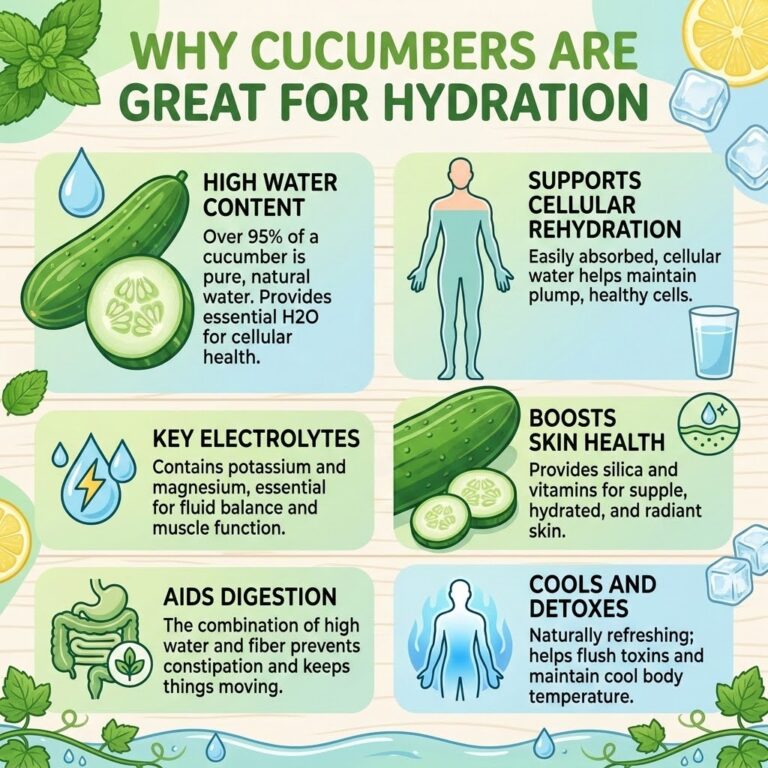
Crisp, colorful vegetables like cucumber, bell peppers, carrots, and celery are naturally low in calories and high in water content. A half-cup serving of raw veggies typically contains fewer than 25 calories. Pair them with two tablespoons of hummus (around 70 calories) for a satisfying crunch with plant-based protein and healthy fats.
This combo delivers fiber, vitamins A and C, and antioxidants—all while keeping you full. For extra flavor, try adding a sprinkle of lemon juice or a dash of cumin.
2. Air-Popped Popcorn
Popcorn is a whole grain and a surprisingly smart snack when prepared without butter or oil. Three cups of air-popped popcorn contain just about 90 calories and provide 3–4 grams of fiber. That’s more volume than most snacks, making it ideal for curbing hunger without overeating.
Skip the microwave bags loaded with sodium and trans fats. Instead, pop your own kernels in an air popper or on the stovetop with minimal oil. Season with nutritional yeast, chili powder, or a pinch of sea salt for a gourmet touch.
3. Greek Yogurt with Berries
Plain, non-fat Greek yogurt is rich in protein and low in sugar—around 100 calories per 6-ounce serving. Add a half-cup of fresh berries like blueberries, strawberries, or raspberries (about 40 calories) for natural sweetness, antioxidants, and fiber.
This snack supports muscle repair, gut health, and immune function. Avoid flavored yogurts, which often contain added sugars. Instead, sweeten with a drizzle of honey or a few chopped nuts if you want extra crunch.
4. Hard-Boiled Eggs
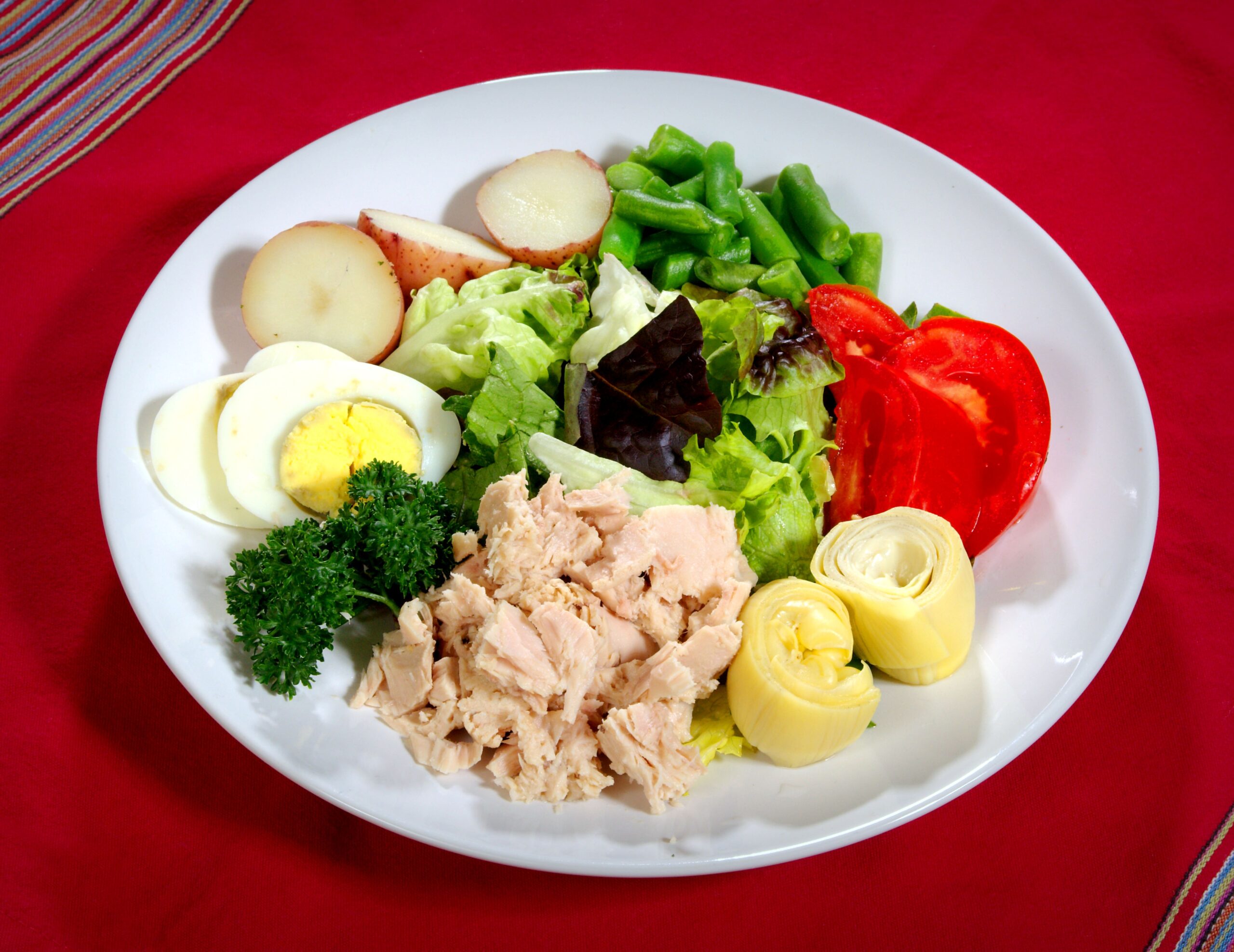
One large hard-boiled egg contains only 70–80 calories and nearly 6 grams of high-quality protein. It’s also rich in choline, vitamin D, and B12—nutrients essential for brain function and metabolism.
Hard-boiled eggs are portable, shelf-stable for a few days, and perfect for on-the-go snacking. Sprinkle with black pepper, paprika, or a touch of sea salt for flavor without added calories.
5. Apple Slices with Almond Butter
An apple (about 80–90 calories) paired with one tablespoon of almond butter (around 90–100 calories) creates a balanced snack with fiber, healthy fats, and natural sweetness. The combination helps stabilize blood sugar and keeps you full for hours.
Choose natural almond butter with no added sugar or oils. For variety, try other nut butters like peanut or cashew, but stick to single-ingredient options to avoid hidden additives.
6. Edamame
Steamed edamame (young soybeans) is a plant-based powerhouse. One cup of shelled edamame contains about 180 calories, 17 grams of protein, and 8 grams of fiber. While slightly higher in calories than other options, its nutrient density makes it a highly efficient snack for satiety.
Edamame is rich in isoflavones, which may support heart health and hormonal balance. Lightly salted versions are fine in moderation, but opt for unsalted if you’re watching sodium intake.
7. Cucumber Slices with Cottage Cheese
Cottage cheese is high in protein and low in fat—especially the low-fat or fat-free varieties. One-half cup contains about 90 calories and 13 grams of protein. Pair it with cucumber slices for a refreshing, hydrating snack.
This combo is ideal post-workout or during hot weather. Add a pinch of dill or black pepper for extra flavor without calories.
8. Rice Cakes with Avocado
A plain rice cake has only 35–50 calories and provides a light, crispy base. Top it with one-quarter of a mashed avocado (about 80 calories) for healthy monounsaturated fats and creaminess.
This snack supports heart health and helps you feel satisfied. Avoid flavored rice cakes with added sugars. Instead, season your avocado with lime juice, chili flakes, or everything bagel seasoning.
How to Build the Perfect Low-Calorie Snack
Creating satisfying, low-calorie snacks isn’t about restriction—it’s about balance. The most effective snacks combine at least two of the following: protein, fiber, healthy fats, and complex carbohydrates.
Protein and fiber slow digestion, preventing blood sugar spikes. Healthy fats enhance flavor and promote satiety. Together, they turn a simple snack into a mini-meal that fuels your body and mind.
Snack Pairing Ideas for Maximum Satisfaction
- Protein + Fiber: Apple with peanut butter, celery with almond butter
- Fiber + Healthy Fats: Veggies with guacamole, rice cake with avocado
- Protein + Complex Carbs: Greek yogurt with berries, cottage cheese with whole-grain crackers
Avoid snacks that are purely carbohydrate-based, like plain crackers or fruit alone, as they may lead to quicker hunger. Instead, aim for combinations that deliver sustained energy.
Smart Tips for Snacking Without Guilt
Even the healthiest snacks can work against you if portion control slips. Here’s how to snack mindfully and stay on track.
1. Pre-Portion Your Snacks
Instead of eating straight from the bag or container, divide snacks into single servings. This prevents mindless overeating and helps you stay aware of how much you’re consuming.
2. Eat Slowly and Without Distractions
Turn off the TV, put down your phone, and focus on your snack. Eating slowly gives your brain time to register fullness, reducing the chance of overeating.
3. Stay Hydrated
Sometimes thirst is mistaken for hunger. Drink a glass of water before snacking. Herbal teas or infused water can also curb cravings and add flavor without calories.
4. Choose Whole Foods Over Processed Alternatives
Even “low-calorie” packaged snacks can contain artificial ingredients, preservatives, and hidden sugars. Whenever possible, reach for whole, minimally processed options like fruits, vegetables, and nuts.
5. Listen to Your Body
Snack when you’re truly hungry, not out of boredom or stress. Ask yourself: “Am I eating because I’m hungry, or because I’m emotional?” This simple check can prevent unnecessary calorie intake.
Key Takeaways
- Healthy snacks that are low in calories can support weight management, energy levels, and overall health.
- The best options combine protein, fiber, and healthy fats to promote satiety and nutrition.
- Fresh vegetables, fruits, lean proteins, and whole grains are ideal foundations for low-calorie snacking.
- Mindful eating, portion control, and hydration are essential for making smart snack choices.
- Avoid processed “diet” snacks in favor of whole, natural ingredients whenever possible.
FAQ: Common Questions About Low-Calorie Snacks
Can I snack every day and still lose weight?
Yes—snacking can actually support weight loss when done right. The key is choosing nutrient-dense, low-calorie options and eating in response to true hunger, not boredom or emotion. Healthy snacks help prevent overeating at meals and keep metabolism active.
Are frozen fruits and vegetables as healthy as fresh?
Absolutely. Frozen fruits and vegetables are often flash-frozen at peak ripeness, preserving their nutrients. They’re convenient, affordable, and just as nutritious as fresh—especially when fresh options aren’t in season. Just avoid varieties with added sugars or sauces.
How many calories should a healthy snack have?
Most nutrition experts recommend snacks between 100 and 200 calories, depending on your daily calorie needs and activity level. The focus should be on quality, not just quantity. A 150-calorie snack with protein and fiber is far more beneficial than a 100-calorie processed bar.
About the Author