Chronic inflammation is silently linked to many of today’s most common health issues—from joint pain and fatigue to heart disease and diabetes. The good news? What you eat can either fuel or fight this internal fire. Incorporating top anti-inflammatory foods to eat daily into your routine is one of the most powerful, natural ways to reduce inflammation, boost immunity, and support long-term wellness. This article reveals the most effective, science-backed foods that belong on your plate every single day.
Why Daily Anti-Inflammatory Nutrition Matters
Inflammation isn’t always bad—it’s your body’s natural defense against injury and infection. But when it becomes chronic, low-grade, and persistent, it can damage tissues and organs over time. Research consistently shows that diet plays a central role in regulating inflammatory pathways in the body.
Foods rich in antioxidants, omega-3 fatty acids, fiber, and phytonutrients help calm the immune system and reduce inflammatory markers like C-reactive protein (CRP). By choosing the right ingredients daily, you’re not just eating—you’re actively healing from within.
Unlike quick fixes or supplements, whole foods deliver a complex matrix of nutrients that work synergistically. This makes them far more effective than isolated compounds. The key is consistency: small, daily choices add up to significant health transformations.
Top Anti-Inflammatory Foods to Eat Daily
1. Fatty Fish (Salmon, Mackerel, Sardines)
Fatty fish are among the richest natural sources of omega-3 fatty acids, particularly EPA and DHA. These essential fats directly reduce pro-inflammatory molecules like cytokines and eicosanoids. Just two servings per week can significantly lower inflammation, but daily inclusion—even in small amounts—maximizes benefits.
Wild-caught salmon, sardines, and mackerel are excellent choices. Aim for 3–4 ounces daily or several times a week. If you’re vegetarian, consider algae-based omega-3 supplements as a plant alternative.
2. Leafy Green Vegetables
Spinach, kale, Swiss chard, and collard greens are loaded with vitamins C and K, magnesium, and potent antioxidants like quercetin and kaempferol. These compounds help neutralize free radicals and inhibit inflammatory enzymes.
Dark leafy greens also support gut health, which is closely tied to immune regulation. Add a handful to smoothies, salads, or sautéed dishes every day for a powerful anti-inflammatory boost.
3. Berries (Blueberries, Strawberries, Blackberries)
Berries are tiny but mighty when it comes to fighting inflammation. They’re packed with anthocyanins—pigments that give them their rich color and strong antioxidant properties. Studies show that regular berry consumption reduces markers like interleukin-6 and CRP.
Enjoy a half-cup daily as a snack, in yogurt, or blended into breakfast bowls. Frozen berries retain their nutrients and are just as effective as fresh.
4. Extra Virgin Olive Oil
Extra virgin olive oil (EVOO) contains oleocanthal, a compound with effects similar to ibuprofen—without the side effects. Its high polyphenol content helps reduce chronic inflammation and supports cardiovascular health.
Use EVOO as your primary cooking oil or drizzle it over vegetables and salads. Choose cold-pressed, dark glass-bottled varieties for maximum potency.
5. Nuts and Seeds (Walnuts, Almonds, Flaxseeds, Chia Seeds)
Walnuts are especially rich in alpha-linolenic acid (ALA), a plant-based omega-3. Almonds provide vitamin E and healthy fats, while flaxseeds and chia seeds offer fiber and lignans that modulate inflammatory responses.
A small handful (about 1 ounce) daily can make a big difference. Grind flaxseeds for better absorption and add them to oatmeal, smoothies, or baked goods.
6. Turmeric (With Black Pepper)
Curcumin, the active compound in turmeric, is one of the most studied natural anti-inflammatories. It blocks NF-kB, a molecule that turns on inflammatory genes. However, curcumin is poorly absorbed on its own.
Always pair turmeric with black pepper, which contains piperine—a compound that enhances absorption by up to 2,000%. Use it in curries, golden milk, or scrambled eggs daily.
7. Green Tea
Green tea is rich in epigallocatechin gallate (EGCG), a powerful antioxidant that reduces inflammation and protects cells from damage. Regular consumption is linked to lower risks of arthritis, heart disease, and certain cancers.
Drink 2–3 cups daily. Avoid adding sugar to preserve its benefits. Matcha, a powdered form of green tea, offers even higher concentrations of EGCG.
8. Cruciferous Vegetables (Broccoli, Cauliflower, Brussels Sprouts)
These vegetables contain sulforaphane, a compound that activates detoxification enzymes and suppresses inflammatory pathways. Broccoli sprouts, in particular, have exceptionally high levels.
Steam or lightly sauté to preserve nutrients. Add them to stir-fries, grain bowls, or roast them with olive oil and garlic for a flavorful side.
9. Tomatoes
Tomatoes are rich in lycopene, an antioxidant that reduces inflammation, especially in the lungs and blood vessels. Cooking tomatoes with a bit of olive oil increases lycopene absorption significantly.
Enjoy tomato sauce, soups, or fresh slices daily. Cherry tomatoes make a convenient, nutrient-dense snack.
10. Dark Chocolate (70% Cocoa or Higher)
Good news for chocolate lovers: dark chocolate with at least 70% cocoa contains flavonoids that reduce inflammation and improve blood flow. It’s also linked to lower blood pressure and improved mood.
Stick to 1–2 small squares per day. Avoid milk chocolate or varieties with added sugars and fats.
How to Build an Anti-Inflammatory Daily Diet
You don’t need a complete diet overhaul. Start by integrating one or two of these foods into each meal. For example:
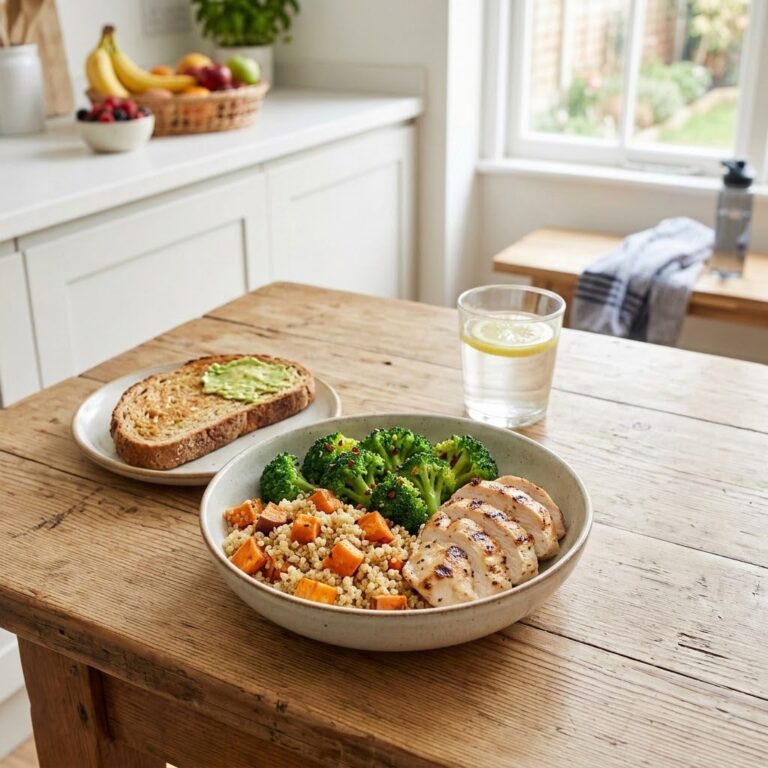
- Breakfast: Oatmeal with blueberries, chia seeds, and a drizzle of olive oil.
- Lunch: Spinach salad with walnuts, tomatoes, grilled salmon, and olive oil vinaigrette.
- Dinner: Stir-fried broccoli and kale with turmeric-spiced tofu or chicken.
- Snacks: A handful of almonds, green tea, or dark chocolate.
Focus on variety and color. The more diverse your plate, the broader the range of anti-inflammatory compounds you consume.
Avoid pro-inflammatory foods like refined sugars, processed meats, trans fats, and excessive alcohol. These can negate the benefits of even the healthiest diet.
Key Takeaways
- Incorporating top anti-inflammatory foods to eat daily can significantly reduce chronic inflammation and lower disease risk.
- Fatty fish, leafy greens, berries, olive oil, and turmeric are among the most effective choices.
- Consistency matters more than perfection—small daily changes lead to lasting results.
- Pair foods wisely (e.g., turmeric with black pepper) to enhance nutrient absorption.
- Combine these foods with a balanced lifestyle—adequate sleep, stress management, and regular movement—for optimal impact.
FAQ
Can I still eat anti-inflammatory foods if I have food allergies?
Absolutely. Many anti-inflammatory options are naturally allergen-friendly. For example, if you’re allergic to nuts, focus on seeds like flax and chia. If you can’t eat fish, increase plant-based omega-3s and consider algae oil supplements. Always consult a healthcare provider to tailor your diet safely.
How quickly will I notice benefits from eating these foods daily?
Some people report reduced joint pain or improved energy within weeks. However, measurable changes in inflammatory markers may take 4–12 weeks of consistent intake. Patience and regularity are key—think of this as long-term health investment.
Are supplements as effective as whole foods for reducing inflammation?
Generally, no. Whole foods provide a complex blend of nutrients, fiber, and phytochemicals that work together. Supplements can support but shouldn’t replace a nutrient-dense diet. Always prioritize food first and use supplements only when necessary and under professional guidance.
Final Thoughts
Fighting inflammation doesn’t require extreme diets or expensive treatments. By making mindful, daily food choices, you can harness the healing power of nature. The top anti-inflammatory foods to eat daily are accessible, delicious, and deeply beneficial.
Start today. Add a serving of leafy greens, swap butter for olive oil, or sip on green tea instead of soda. These small acts compound over time, leading to less pain, more energy, and a stronger, more resilient body.
Your plate is your pharmacy. Use it wisely.
About the Author