Struggling to eat well during busy weekdays? You’re not alone. With work, family, and endless to-do lists, cooking fresh meals daily often falls by the wayside. That’s where healthy meal prep ideas for the week come in—your secret weapon for staying on track with nutritious eating without the daily kitchen grind. By planning and preparing meals in advance, you save time, reduce stress, and make smarter food choices effortlessly.
Whether you’re aiming to lose weight, boost energy, or simply eat more vegetables, a solid weekly meal prep routine sets you up for success. The key is simplicity, balance, and variety. In this guide, we’ll walk you through practical, delicious, and easy-to-make meal prep ideas that cover breakfast, lunch, dinner, and snacks—all designed to keep you fueled and satisfied from Monday to Sunday.
Why Weekly Meal Prep Works for Healthy Eating
Meal prepping isn’t just a trend—it’s a sustainable lifestyle shift. When you prepare meals ahead of time, you eliminate the last-minute decision fatigue that often leads to takeout or processed snacks. Instead, you gain control over ingredients, portion sizes, and nutritional balance.
Studies show that people who meal prep are more likely to meet their daily vegetable, protein, and fiber goals. It also helps reduce food waste and saves money by minimizing impulse buys. Plus, having ready-to-eat meals means you’re less tempted to skip meals or overeat later.
Think of meal prep as an investment in your health. Just one or two hours on Sunday can set the tone for a smoother, healthier week. The best part? You don’t need to be a chef or spend hours in the kitchen. With the right strategies, even beginners can master weekly meal prep.
Essential Tips for Successful Meal Prep
Before diving into recipes, let’s cover the foundation of effective meal prep. These tips will help you stay organized, save time, and avoid common pitfalls.
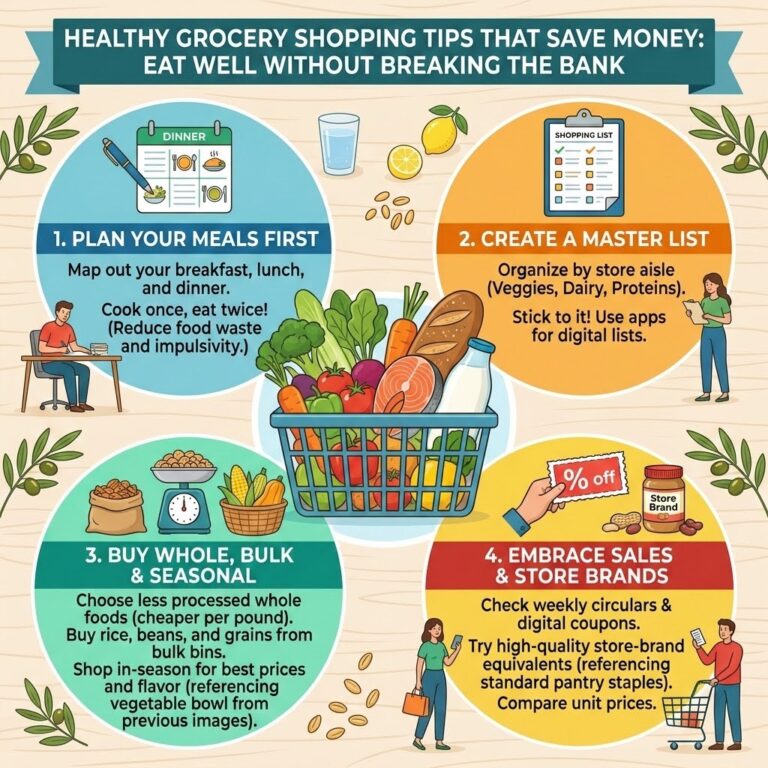
- Plan your menu first: Decide what you’ll eat for each meal of the week. Include a mix of proteins, whole grains, healthy fats, and colorful vegetables.
- Choose recipes with overlapping ingredients: This reduces shopping time and waste. For example, use chicken breast in salads, wraps, and stir-fries.
- Invest in quality containers: Use airtight, BPA-free containers in various sizes. Glass containers are ideal for reheating and keeping food fresh.
- Prep components, not just full meals: Cook grains, roast vegetables, and grill proteins in bulk. Then mix and match throughout the week.
- Label and date everything: This helps you track freshness and avoid eating spoiled food.
Start small. You don’t need to prep every single meal. Even prepping lunches and snacks for three days can make a big difference. Gradually increase as you get comfortable with the process.
Breakfast Meal Prep Ideas to Kickstart Your Day
Breakfast sets the tone for your energy levels and focus. Instead of reaching for sugary cereals or skipping the meal altogether, try these make-ahead breakfast options.
Overnight Oats with Berries and Chia
Combine rolled oats, almond milk, chia seeds, and a touch of honey in a jar. Top with fresh berries and a sprinkle of nuts. Refrigerate overnight. In the morning, grab and go. This fiber-rich breakfast keeps you full and supports digestion.
Veggie-Packed Egg Muffins
Whisk eggs with diced bell peppers, spinach, onions, and a pinch of cheese. Pour into a greased muffin tin and bake at 350°F (175°C) for 20 minutes. Store in the fridge for up to 5 days. Reheat in the microwave for a protein-packed breakfast in under a minute.
Greek Yogurt Parfaits
Layer plain Greek yogurt with granola, sliced bananas, and a drizzle of almond butter in portable containers. The high protein content helps stabilize blood sugar and keeps hunger at bay until lunch.
These breakfasts take just 15–20 minutes to prepare and can be customized based on your taste and dietary needs. Swap dairy for plant-based alternatives if needed.
Lunch Meal Prep Ideas for Energy and Satiety
Lunch is often the most challenging meal to keep healthy, especially if you’re at work or on the go. These lunch prep ideas are designed to be flavorful, balanced, and easy to transport.
Mason Jar Salads
Start with dressing at the bottom, followed by hearty veggies like cucumbers and carrots, then proteins like chickpeas or grilled chicken, and finish with leafy greens on top. Shake and eat when ready. The layers prevent sogginess and keep ingredients crisp.
Quinoa Bowls with Roasted Vegetables
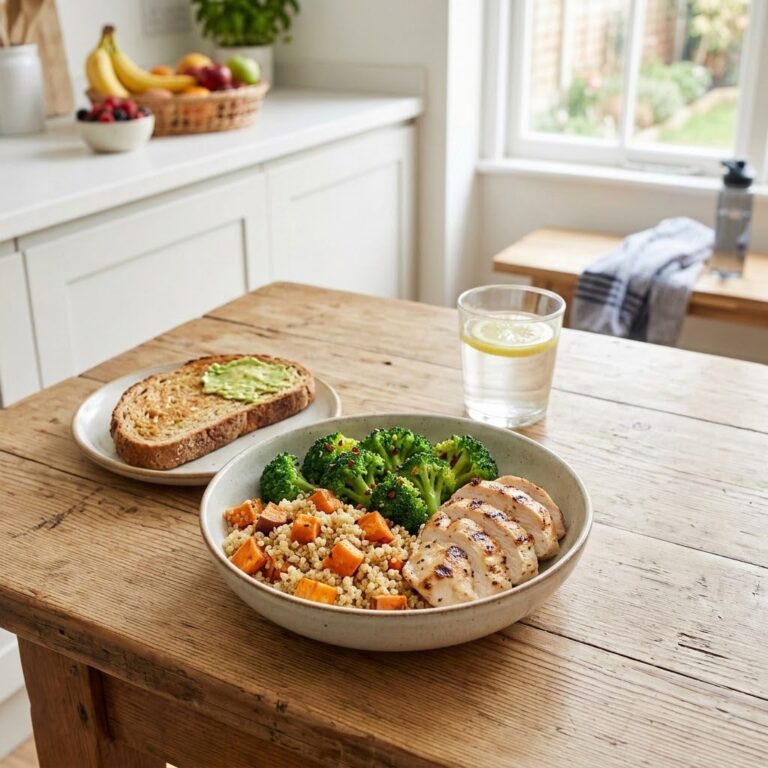
Cook a large batch of quinoa and roast a mix of sweet potatoes, broccoli, and zucchini with olive oil and herbs. Divide into containers and top with a lean protein like baked tofu or salmon. Drizzle with tahini or lemon vinaigrette before eating.
Whole-Grain Wraps with Hummus and Veggies
Spread hummus on a whole-wheat tortilla, add shredded carrots, spinach, cucumber, and grilled chicken or tempeh. Roll tightly, slice in half, and wrap in foil. These are perfect for busy days when you need something handheld.
All these lunches can be prepped in under an hour and stay fresh for 4–5 days. Rotate ingredients weekly to keep things exciting and prevent boredom.
Dinner Meal Prep Ideas for Balanced, Flavorful Meals
Dinner doesn’t have to be complicated. With a little prep, you can enjoy restaurant-quality meals at home—without the cleanup every night.
Sheet Pan Chicken and Vegetables
Toss chicken breasts or thighs with broccoli, bell peppers, and sweet potatoes on a baking sheet. Drizzle with olive oil, garlic, and herbs. Roast at 400°F (200°C) for 25–30 minutes. Divide into portions for easy reheating.
Turkey and Black Bean Chili
Cook ground turkey with onions, garlic, black beans, diced tomatoes, and spices like cumin and chili powder. Simmer for 30 minutes. This hearty chili freezes well and tastes even better the next day.
Stir-Fried Tofu with Brown Rice
Sauté firm tofu with snap peas, carrots, and bok choy in a light soy-ginger sauce. Serve over pre-cooked brown rice. This plant-based dinner is rich in protein and fiber, supporting sustained energy.
These dinners are designed to be reheated quickly, making weeknight eating stress-free. Pair with a side salad or steamed greens for extra nutrients.
Smart Snack Prep to Avoid Unhealthy Choices
Snacking doesn’t have to derail your healthy eating goals. With a little prep, you can have nutritious options ready when hunger strikes.
Cut Veggies with Hummus
Wash and chop carrots, celery, bell peppers, and cucumbers. Store in water-filled containers to keep them crisp. Pair with single-serve hummus cups for a crunchy, satisfying snack.
Hard-Boiled Eggs
Boil a dozen eggs at the start of the week. Peel and store in the fridge for a quick protein boost. Sprinkle with salt, pepper, or paprika for extra flavor.
Trail Mix with Nuts and Dried Fruit
Mix almonds, walnuts, pumpkin seeds, and unsweetened dried cranberries. Portion into small bags for easy grab-and-go snacks. Avoid pre-packaged mixes with added sugars.
Having healthy snacks on hand prevents impulsive eating and helps maintain steady energy levels between meals.
Key Takeaways for Effective Weekly Meal Prep
- Start with a plan: Map out your meals for the week to avoid last-minute decisions.
- Batch cook staples: Prepare grains, proteins, and roasted veggies in large quantities.
- Use versatile ingredients: Choose foods that can be used in multiple meals to save time and money.
- Keep it simple: Focus on whole, minimally processed foods with minimal ingredients.
- Stay flexible: Swap meals if your schedule changes—prep is about support, not perfection.
FAQ: Your Meal Prep Questions Answered
How long do meal prepped foods last in the fridge?
Most cooked meals stay fresh for 3–5 days when stored in airtight containers. Soups, stews, and grains can last up to 5 days. For longer storage, freeze portions and reheat as needed.
Can I freeze meal prepped breakfasts like overnight oats?
Overnight oats are best eaten fresh, but you can freeze components like cooked grains or fruit. Thaw and assemble the night before eating. Egg muffins and yogurt parfaits should not be frozen.
Is meal prep expensive?
Not necessarily. Buying in bulk, choosing seasonal produce, and planning meals around sales can make meal prep very cost-effective. It often saves money compared to daily takeout or convenience foods.
With the right approach, healthy meal prep ideas for the week become a sustainable, enjoyable part of your routine. You’ll eat better, feel more energized, and gain back precious time—all while supporting your long-term health goals.
About the Author