Struggling with bloating, gas, or irregular bowel movements? You’re not alone. Millions of people face digestive discomfort daily, often due to poor diet, stress, or lack of fiber. The good news? Nature offers powerful, accessible solutions. Incorporating the best natural foods for better digestion into your daily routine can transform your gut health, boost energy, and improve overall well-being—without relying on supplements or medications.
Digestive health starts with what you eat. Certain whole, unprocessed foods are packed with enzymes, fiber, probiotics, and anti-inflammatory compounds that support a healthy gut microbiome. From leafy greens to fermented favorites, these foods work naturally with your body to ease digestion, reduce inflammation, and promote regularity. This guide explores the most effective natural foods proven to enhance digestive function—so you can feel lighter, more comfortable, and in control of your gut health.
Why Natural Foods Matter for Digestive Health
Your digestive system is a complex network responsible for breaking down food, absorbing nutrients, and eliminating waste. When it’s out of balance, symptoms like constipation, diarrhea, acid reflux, and bloating can disrupt daily life. Processed foods, excess sugar, and low fiber intake are major culprits behind poor digestion.
Natural foods, on the other hand, provide essential nutrients that nourish your gut lining, feed beneficial bacteria, and support smooth digestion. They’re rich in dietary fiber, which adds bulk to stool and helps food move efficiently through the intestines. Many also contain digestive enzymes that break down proteins, fats, and carbohydrates more effectively.
By choosing whole, plant-based, and fermented foods, you’re not just feeding your body—you’re supporting a thriving internal ecosystem. A balanced gut microbiome is linked to improved immunity, mental clarity, and even mood regulation. So, what are the top natural foods that deliver these benefits?
Top Natural Foods to Improve Digestion
1. Leafy Greens: Fiber Powerhouses
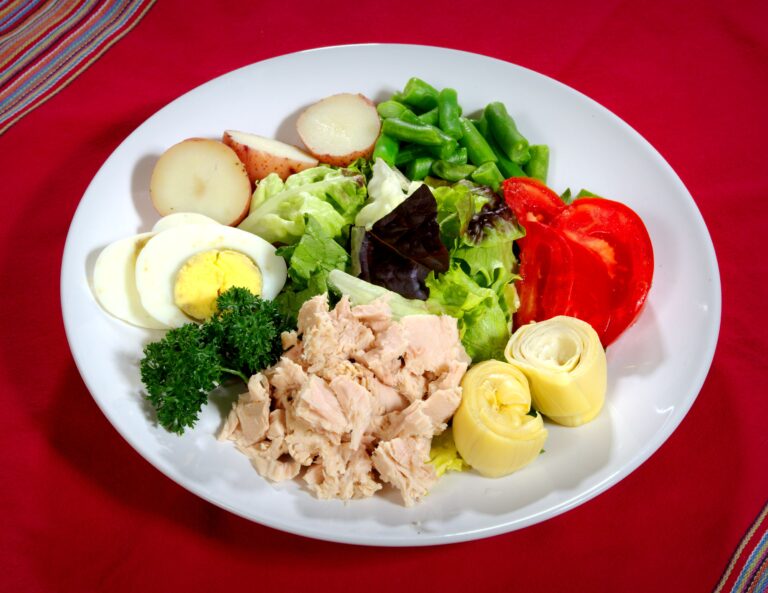
Spinach, kale, Swiss chard, and arugula are among the most nutrient-dense foods you can eat. These leafy greens are loaded with insoluble fiber, which helps prevent constipation by speeding up food transit through the digestive tract.
They also contain magnesium, a mineral that relaxes intestinal muscles and supports regular bowel movements. A daily serving of leafy greens can significantly improve stool consistency and reduce bloating.
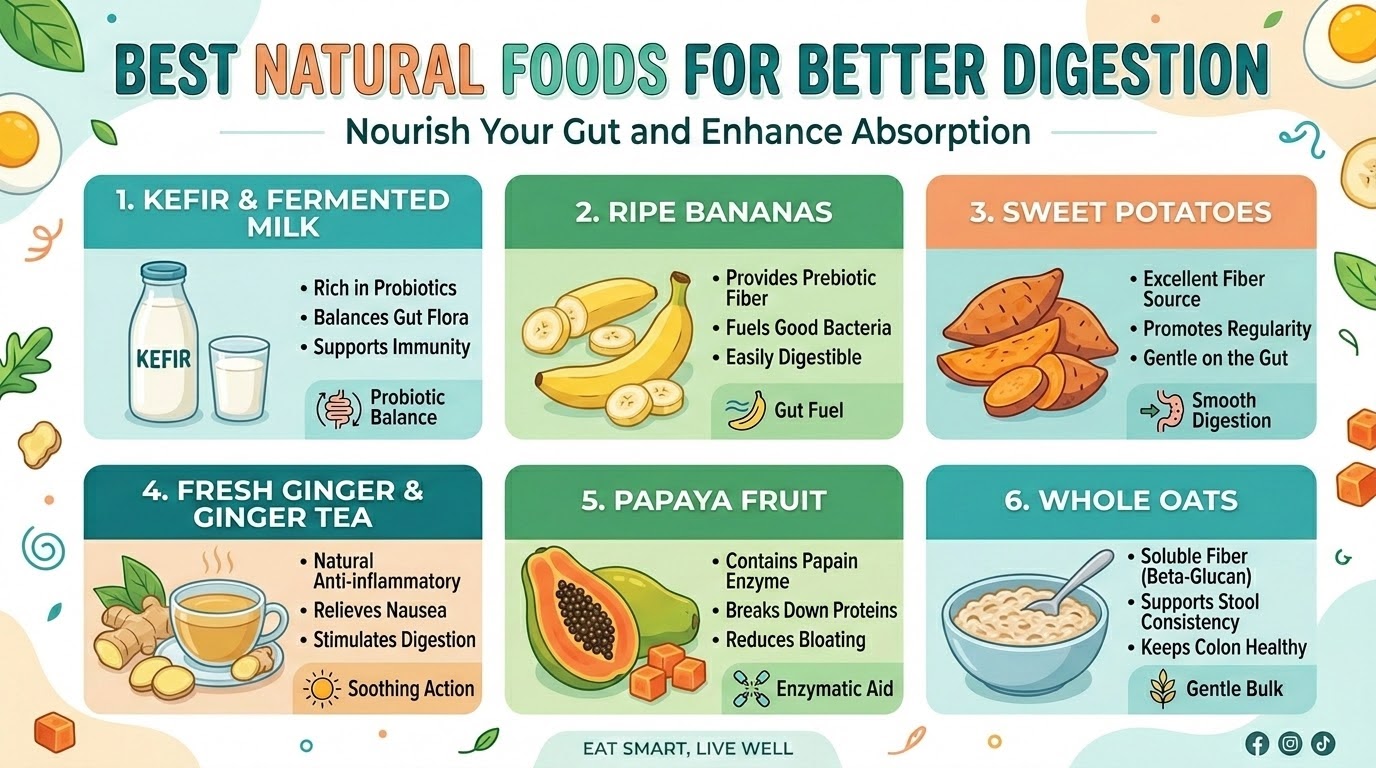
2. Ginger: Nature’s Anti-Inflammatory Digestive Aid
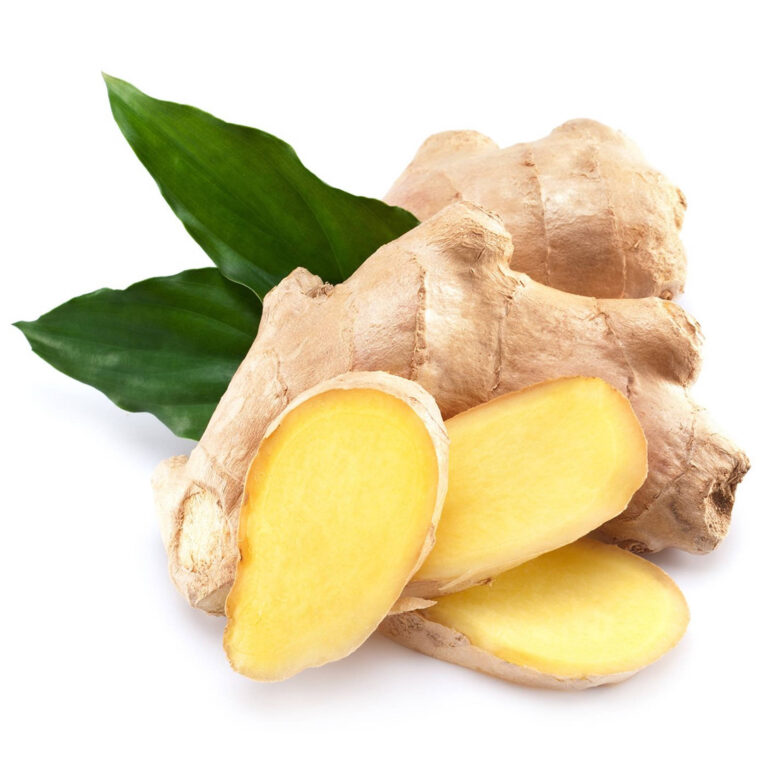
Ginger has been used for centuries to soothe upset stomachs and reduce nausea. Its active compounds, like gingerol, stimulate digestive enzymes and increase gastric motility—meaning food moves through your system more efficiently.
Whether consumed as fresh tea, grated into meals, or taken as a supplement, ginger helps relieve indigestion, gas, and bloating. It’s especially effective for those with slow digestion or acid reflux.
3. Yogurt and Fermented Foods: Probiotic Champions
Fermented foods like yogurt, kefir, sauerkraut, kimchi, and miso are rich in probiotics—live beneficial bacteria that colonize your gut. These microbes help break down food, produce essential vitamins, and crowd out harmful pathogens.
Regular consumption of probiotic-rich foods can reduce symptoms of irritable bowel syndrome (IBS), improve lactose digestion, and enhance overall gut balance. Look for products labeled “live and active cultures” for maximum benefit.
4. Oats and Whole Grains: Sustained Fiber Release
Oats, quinoa, brown rice, and barley are excellent sources of soluble and insoluble fiber. Soluble fiber forms a gel-like substance in the gut, slowing digestion and stabilizing blood sugar. Insoluble fiber adds bulk, promoting regularity.
Unlike refined grains, whole grains retain their bran and germ, offering more nutrients and digestive support. Starting your day with a bowl of oatmeal can set the tone for smooth digestion all day long.
5. Papaya and Pineapple: Enzyme-Rich Fruits
These tropical fruits contain natural digestive enzymes that aid in breaking down proteins. Papaya contains papain, while pineapple has bromelain—both help reduce bloating and improve protein absorption.
Eating a slice of fresh papaya or pineapple after a heavy meal can ease discomfort and speed up digestion. They’re also rich in water and fiber, further supporting gut motility.
6. Chia Seeds and Flaxseeds: Tiny But Mighty
Despite their small size, chia and flaxseeds are digestion superstars. Packed with soluble fiber and omega-3 fatty acids, they absorb water and expand in the gut, forming a gel that softens stool and promotes regularity.
Just one tablespoon a day can make a noticeable difference. Sprinkle them on yogurt, smoothies, or salads for an easy fiber boost.
7. Apples and Pears: Pectin for Gut Health
Apples and pears are high in pectin, a type of soluble fiber that acts as a prebiotic—feeding the good bacteria in your gut. Pectin also helps regulate bowel movements and may reduce inflammation in the colon.
Eating the skin increases fiber intake, so opt for organic when possible. A daily apple can be a simple, tasty way to support digestive wellness.
8. Bone Broth: Gut-Healing Elixir
Rich in collagen, gelatin, and amino acids like glutamine, bone broth supports the integrity of the intestinal lining. It’s especially beneficial for those with leaky gut or inflammatory bowel conditions.
Sipping warm bone broth can soothe the digestive tract, reduce inflammation, and improve nutrient absorption. Homemade versions are best, as they retain more nutrients than store-bought.
How to Incorporate These Foods Into Your Diet
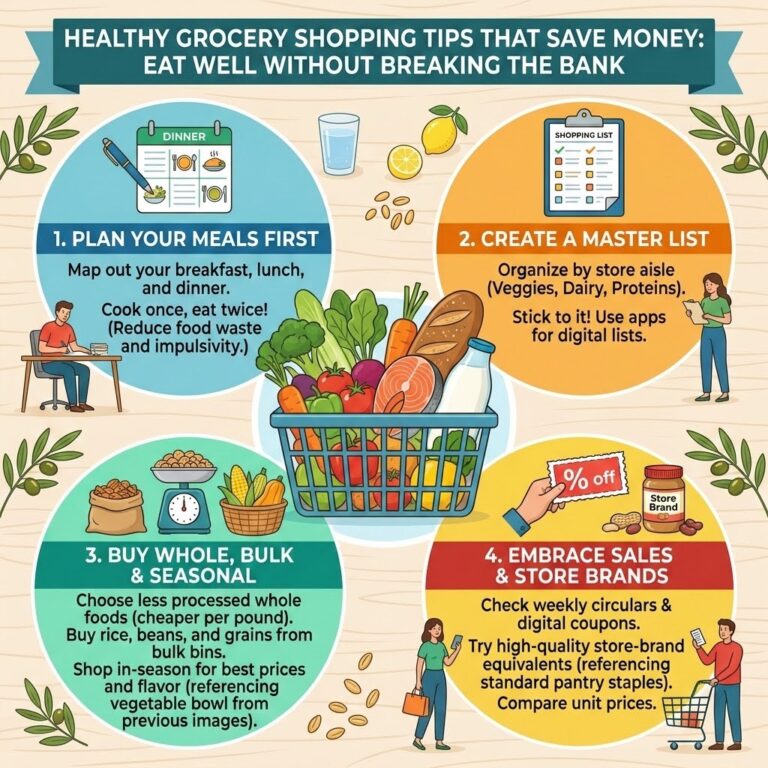
You don’t need a complete diet overhaul to see results. Small, consistent changes make the biggest impact. Start by adding one or two of these foods to your meals each day.
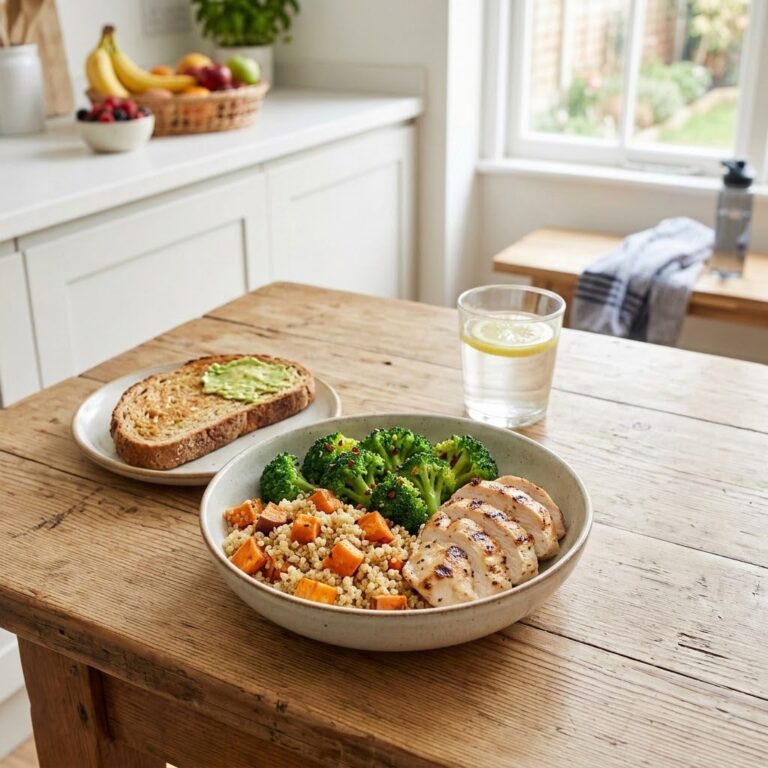
For example, swap white rice for quinoa, snack on apple slices with almond butter, or enjoy a cup of ginger tea after dinner. Gradually increase your fiber intake to avoid gas or bloating, and drink plenty of water to help fiber do its job.
Meal prepping can also help. Prepare a big batch of overnight oats with chia seeds, or make a large pot of vegetable soup with leafy greens and bone broth. Having healthy options ready reduces the temptation to reach for processed snacks.
Foods to Avoid for Optimal Digestion
While adding beneficial foods is key, it’s equally important to limit items that disrupt digestion. Highly processed foods, sugary drinks, fried foods, and artificial sweeteners can irritate the gut lining and feed harmful bacteria.
Excessive caffeine and alcohol may also worsen symptoms like acid reflux and diarrhea. Reducing intake of these items—while increasing natural, whole foods—creates a balanced approach to gut health.
Key Takeaways
- The best natural foods for better digestion include leafy greens, ginger, fermented foods, whole grains, and enzyme-rich fruits.
- Fiber, probiotics, and digestive enzymes are essential for a healthy gut microbiome and smooth digestion.
- Small, consistent dietary changes—like adding chia seeds or drinking ginger tea—can yield significant improvements.
- Hydration and mindful eating habits support the effectiveness of these natural foods.
- Limiting processed foods, sugar, and alcohol helps maintain long-term digestive wellness.
Frequently Asked Questions
Can I take supplements instead of eating these natural foods?
While supplements like probiotics and fiber powders can help, they shouldn’t replace whole foods. Natural foods offer a complex mix of nutrients, enzymes, and phytonutrients that work synergistically. Supplements are best used to complement—not substitute—a healthy diet.
How long does it take to see improvements in digestion?
Many people notice changes within a few days to a week of adding fiber-rich and probiotic foods. However, chronic digestive issues may take several weeks of consistent dietary changes to improve. Patience and regularity are key.
Are there any side effects to eating too much fiber?
Yes, increasing fiber too quickly can cause gas, bloating, or cramping. To avoid this, gradually increase your intake over 1–2 weeks and drink plenty of water. Most adults should aim for 25–35 grams of fiber per day from food sources.
Final Thoughts
Your digestive health is deeply connected to your overall quality of life. By choosing the best natural foods for better digestion, you’re investing in long-term wellness. These foods don’t just ease discomfort—they empower your body to function at its best.
Start simple. Add a serving of leafy greens to your lunch, sip ginger tea in the afternoon, or enjoy a probiotic-rich snack. Over time, these small choices compound into lasting change. Your gut—and your whole body—will thank you.
About the Author