Feeling sluggish, stressed, or just not quite like yourself? You’re not alone. Millions of people search for “healthy lifestyle changes you can start today” because they want real, actionable steps—not vague advice or extreme overhauls. The good news? You don’t need a complete life reset to feel better. Small, consistent shifts in daily habits can lead to lasting improvements in energy, mood, and long-term health. And the best part? You can begin right now.
Whether you’re aiming to boost your immune system, improve sleep quality, or simply feel more in control of your well-being, this guide breaks down practical, science-backed changes that fit into real life. No gym membership required. No expensive supplements. Just simple, sustainable choices you can make starting today.
Why Small Changes Make a Big Difference
Many people delay healthy habits because they think transformation requires drastic measures—like cutting out entire food groups or running marathons. But research consistently shows that incremental changes are more effective and sustainable. A study published in the American Journal of Health Promotion found that individuals who adopted one or two new healthy behaviors at a time were significantly more likely to maintain them long-term.
Think of your health as a savings account. Every small deposit—like drinking an extra glass of water or taking a 10-minute walk—adds up over time. These micro-habits build momentum, making it easier to adopt more positive routines without feeling overwhelmed.
The Power of Consistency Over Intensity
You don’t need to do everything perfectly. What matters most is showing up—consistently. For example, walking 15 minutes a day is far more beneficial than one exhausting 2-hour workout per month. Consistency rewires your brain, turning healthy actions into automatic routines.
Start by choosing one change that feels manageable. Once it becomes second nature, add another. This “habit stacking” method, popularized by behavior scientists, leverages existing routines to anchor new ones. For instance, after brushing your teeth in the morning, drink a glass of water. Simple, effective, and repeatable.
Nutrition Tweaks That Fit Into Your Routine
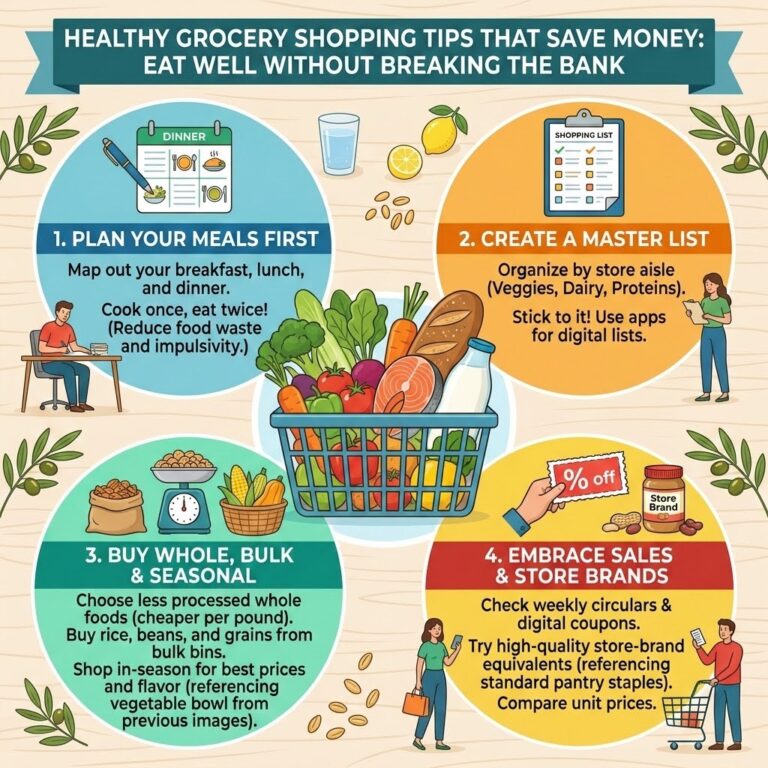
Healthy eating doesn’t mean complicated meal plans or tasteless food. It’s about making smarter choices with what you already have. Here are a few easy swaps you can make today:
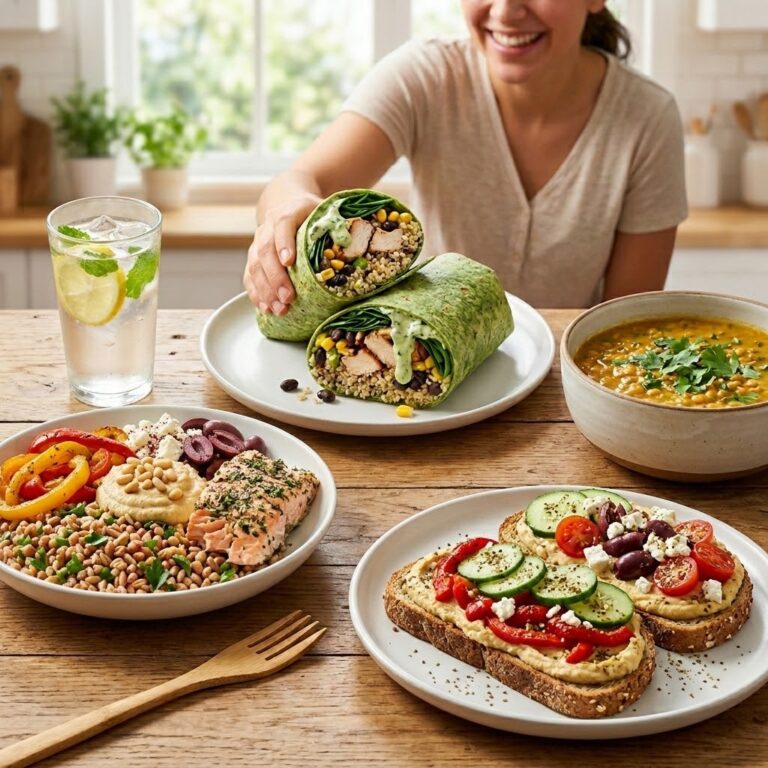
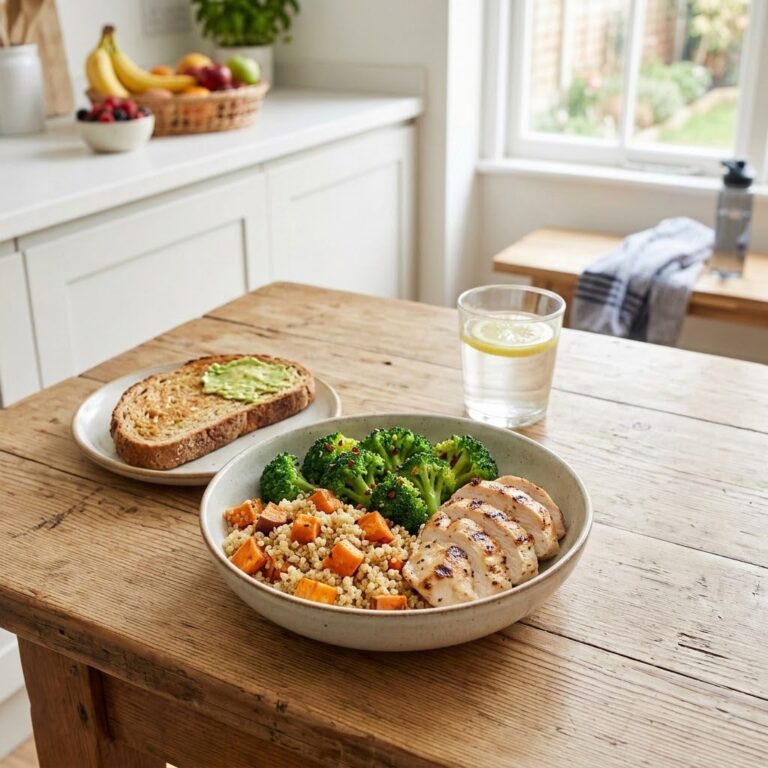
- Add more fiber: Choose whole grains over refined ones. Swap white rice for brown rice or quinoa. Fiber supports digestion and helps regulate blood sugar.
- Eat the rainbow: Aim to include at least three different colored vegetables in your meals. Bright colors often indicate high levels of antioxidants and essential nutrients.
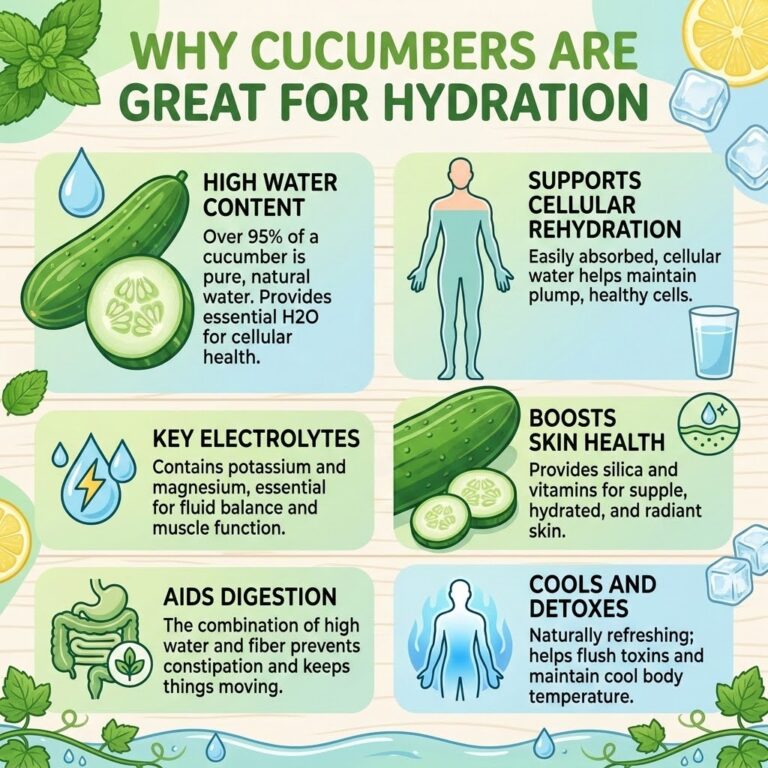
- Hydrate first: Before reaching for a snack, drink a glass of water. Thirst is often mistaken for hunger, and proper hydration improves focus and energy.
Another powerful change? Reduce added sugar. The average person consumes far more than the recommended 25–36 grams per day. Start by cutting sugary drinks—soda, sweetened coffee, or energy drinks—and replace them with infused water or herbal tea.
Mindful Eating: A Game-Changer
Eating slowly and without distractions can dramatically improve digestion and satisfaction. Put your phone away, chew thoroughly, and pause between bites. This simple act helps your brain register fullness, reducing overeating.
Try the “20-minute rule”: wait 20 minutes before going back for seconds. Often, your body just needs time to catch up with your brain. You might find you’re full without needing more food.
Move More—Without Hitting the Gym
Physical activity doesn’t have to mean structured workouts. The goal is to reduce sedentary time and increase movement throughout the day. Here’s how:
- Take the stairs instead of the elevator.
- Park farther away or get off the bus one stop early.
- Do 5 minutes of stretching or bodyweight exercises (like squats or lunges) during TV commercials.
- Walk while taking phone calls or listening to podcasts.
Even short bursts of activity count. The World Health Organization recommends at least 150 minutes of moderate-intensity activity per week—that’s just 20–30 minutes a day. You can break it into three 10-minute walks and still meet the goal.
Strength and Flexibility Matter Too
Cardio gets a lot of attention, but strength and flexibility are equally important. As we age, maintaining muscle mass and joint mobility becomes critical for independence and injury prevention.
Start with bodyweight exercises like push-ups, planks, or seated leg lifts. Use resistance bands if you want added challenge. For flexibility, try a 5-minute daily stretch routine—focus on your neck, shoulders, hips, and hamstrings.
Prioritize Sleep Like Your Health Depends On It—Because It Does
Sleep is the foundation of physical and mental well-being. Poor sleep is linked to weight gain, weakened immunity, anxiety, and chronic diseases. Yet, many people treat it as optional.
One of the most effective healthy lifestyle changes you can start today is improving your sleep hygiene. Here’s how:
- Set a consistent bedtime and wake-up time—even on weekends.
- Create a wind-down routine: dim the lights, avoid screens 1 hour before bed, and try reading or light stretching.
- Keep your bedroom cool, dark, and quiet.
- Avoid caffeine after 2 p.m. and heavy meals close to bedtime.
If you struggle to fall asleep, try the 4-7-8 breathing technique: inhale for 4 seconds, hold for 7, exhale slowly for 8. Repeat 3–4 times. This activates the parasympathetic nervous system, signaling your body it’s time to rest.
The Role of Morning Light
Exposure to natural light in the morning helps regulate your circadian rhythm. Open the curtains as soon as you wake up, or step outside for 10 minutes. This simple habit can improve sleep quality, mood, and alertness throughout the day.
Manage Stress Before It Manages You
Chronic stress silently damages your health—raising blood pressure, weakening immunity, and increasing inflammation. But you don’t need a meditation retreat to find relief. Start with these accessible techniques:
- Deep breathing: Just 5 minutes of focused breathing can lower cortisol levels.
- Gratitude journaling: Write down three things you’re grateful for each morning or night. This shifts focus from stress to positivity.
- Digital detox: Designate 30 minutes each evening as screen-free time. Use it to connect with family, read, or simply sit quietly.
Mindfulness doesn’t require hours of practice. Even pausing for 30 seconds to notice your breath or surroundings can reset your nervous system.
Build Emotional Resilience
Resilience isn’t about avoiding stress—it’s about responding to it effectively. Strengthen your emotional health by nurturing relationships, setting boundaries, and practicing self-compassion.
Talk to a friend when you’re overwhelmed. Say no to commitments that drain you. And remember: it’s okay to not be okay. Seeking support is a sign of strength, not weakness.
Key Takeaways
- You don’t need perfection—just consistency. Start with one small change and build from there.
- Healthy eating means adding nourishing foods, not just restricting. Focus on whole, colorful ingredients.
- Movement doesn’t require a gym. Look for ways to stay active throughout the day.
- Sleep is non-negotiable. Prioritize it with a consistent routine and environment.
- Stress management is part of physical health. Use breathing, journaling, and boundaries to protect your well-being.
FAQ
How long does it take to see results from healthy lifestyle changes?
Some changes, like improved energy or mood, can be noticed within days. Others, like weight loss or cardiovascular improvements, may take weeks or months. The key is patience and consistency—focus on progress, not perfection.
Can I still enjoy my favorite foods while making healthy changes?
Absolutely. Healthy eating isn’t about deprivation. It’s about balance. Enjoy treats in moderation while prioritizing nutrient-dense foods most of the time. This sustainable approach leads to long-term success.
What if I slip up or miss a day?
Setbacks are normal. Don’t let one missed walk or unhealthy meal derail your progress. Acknowledge it, learn from it, and get back on track the next day. Progress, not perfection, is the goal.
Start Small, Think Long-Term
The journey to better health isn’t a sprint—it’s a marathon. The most successful people aren’t those who make the biggest changes overnight, but those who show up every day with intention. You already have everything you need to begin. Choose one change today. Then another tomorrow. Over time, these small steps will transform your energy, your mindset, and your life.
Remember: a healthy lifestyle isn’t about being perfect. It’s about being present, making better choices when you can, and treating your body with the care it deserves. Start now. Your future self will thank you.
About the Author