Feeling sluggish by mid-afternoon? You’re not alone. Millions struggle with low energy levels, often reaching for sugary snacks or caffeine just to make it through the day. But what if you could boost your energy naturally—without the crash? The secret lies in your diet. Certain foods that help increase energy naturally provide sustained fuel, enhance mental clarity, and support overall vitality. This article dives deep into the best whole foods, nutrients, and eating habits that keep your energy steady from sunrise to sunset.
Why Natural Energy Matters More Than Quick Fixes
Many people turn to energy drinks, coffee, or processed snacks when fatigue hits. While these may offer a temporary spike, they often lead to crashes, jitters, and long-term energy depletion. In contrast, natural energy comes from nutrient-dense foods that support your body’s metabolic processes, stabilize blood sugar, and nourish your cells.
When you eat foods rich in complex carbohydrates, healthy fats, protein, and essential vitamins and minerals, your body converts them into usable energy efficiently. This steady release prevents the highs and lows associated with refined sugars and artificial stimulants. Over time, this approach not only boosts energy but also improves mood, focus, and physical endurance.
Top Foods That Help Increase Energy Naturally
Not all calories are created equal. The quality of your food directly impacts how energized you feel. Here are some of the most effective foods that help increase energy naturally, backed by science and nutrition experts.
1. Complex Carbohydrates: The Body’s Preferred Fuel
Carbohydrates are your body’s primary energy source, but not all carbs are equal. Simple carbs (like white bread and candy) cause rapid spikes and drops in blood sugar. In contrast, complex carbohydrates digest slowly, providing a steady stream of glucose to your brain and muscles.
- Oats: High in fiber and low on the glycemic index, oats release energy gradually. A bowl of oatmeal in the morning can keep you full and focused for hours.
- Sweet Potatoes: Packed with fiber, vitamin A, and potassium, they support sustained energy and muscle function.
- Quinoa: A complete protein and complex carb, quinoa fuels both your brain and body without spiking insulin.
2. Protein-Rich Foods: Sustained Energy and Muscle Repair
Protein takes longer to digest than carbs, which helps stabilize blood sugar and prevents energy crashes. It also supports muscle repair and hormone production—both critical for maintaining energy levels throughout the day.
- Eggs: A powerhouse of B vitamins, choline, and high-quality protein, eggs help convert food into energy efficiently.
- Greek Yogurt: Rich in protein and probiotics, it supports gut health and sustained energy. Choose plain, unsweetened varieties to avoid added sugars.
- Lentils and Chickpeas: These legumes are rich in protein, fiber, and iron—ideal for preventing fatigue, especially in plant-based diets.
3. Healthy Fats: Long-Lasting Energy for the Brain and Body
Fats are a concentrated source of energy and are essential for absorbing fat-soluble vitamins (A, D, E, K). Omega-3 fatty acids, in particular, support brain function and reduce inflammation, which can sap energy.
- Avocados: Loaded with monounsaturated fats and potassium, avocados help regulate blood pressure and provide steady energy.
- Walnuts and Almonds: These nuts contain healthy fats, protein, and magnesium—a mineral involved in over 300 enzymatic reactions, including energy production.
- Chia Seeds: High in omega-3s, fiber, and protein, chia seeds absorb water and release energy slowly, making them perfect for pre-workout snacks.
4. Iron-Rich Foods: Fight Fatigue at the Cellular Level
Iron is essential for producing hemoglobin, a protein in red blood cells that carries oxygen to your tissues. Low iron levels (even without anemia) can lead to fatigue, weakness, and poor concentration.
- Spinach: A leafy green packed with non-heme iron, vitamin C (which boosts iron absorption), and folate.
- Lean Beef: One of the best sources of heme iron, which is more easily absorbed by the body than plant-based iron.
- Pumpkin Seeds: A handful provides a significant amount of iron, magnesium, and zinc—minerals crucial for energy metabolism.
5. Magnesium-Rich Foods: The Energy Mineral
Magnesium plays a key role in converting food into ATP (adenosine triphosphate), the molecule your cells use for energy. Many people are deficient in magnesium, leading to fatigue, muscle cramps, and poor sleep.
- Dark Chocolate (70%+ cocoa): A delicious source of magnesium and antioxidants. Just one or two squares can give you a gentle energy lift.
- Banana: Known for potassium, bananas also contain magnesium and natural sugars for a quick, clean energy boost.
- Cashews: These nuts are rich in magnesium, healthy fats, and protein—ideal for a mid-afternoon snack.
Hydration: The Overlooked Energy Booster
Dehydration is one of the most common yet overlooked causes of fatigue. Even mild dehydration can reduce concentration, increase irritability, and drain your energy. Water is essential for every metabolic process, including energy production.
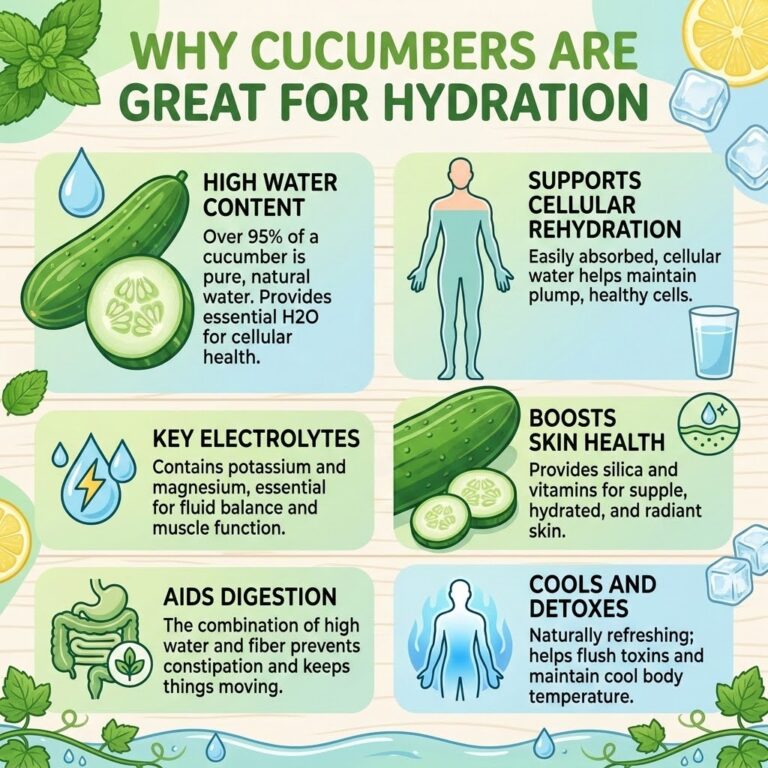
While plain water is best, you can also boost hydration with water-rich foods like cucumbers, watermelon, and oranges. Herbal teas and coconut water are also excellent choices, providing electrolytes without added sugars.
Aim to drink water consistently throughout the day. A good rule of thumb: if you feel thirsty, you’re already slightly dehydrated. Keep a water bottle nearby and sip regularly—your energy levels will thank you.
Meal Timing and Energy: Eat Smart, Stay Sharp
What you eat matters, but so does when you eat it. Irregular meals or long gaps between eating can cause blood sugar dips, leading to fatigue and brain fog.
Try eating small, balanced meals every 3–4 hours. Combine complex carbs, protein, and healthy fats at each meal to maintain steady energy. For example:
- Breakfast: Oatmeal with chia seeds, banana, and almond butter
- Lunch: Quinoa salad with chickpeas, spinach, avocado, and olive oil
- Snack: Greek yogurt with walnuts and a few dark chocolate chips
- Dinner: Grilled salmon with sweet potato and steamed broccoli
Avoid large, heavy meals that can make you feel sluggish. Instead, opt for portion-controlled, nutrient-dense options that fuel your body without overloading your digestive system.
Foods to Avoid for Better Energy Levels
Just as some foods boost energy, others can drain it. Limiting or avoiding these can make a big difference in how you feel throughout the day.
- Sugary Snacks and Drinks: Cause rapid spikes and crashes in blood sugar, leading to fatigue.
- Refined Grains: White bread, pastries, and processed cereals lack fiber and nutrients, offering empty calories.
- Excess Caffeine: While moderate coffee can enhance alertness, too much can disrupt sleep and cause energy crashes.
- Fried and Processed Foods: High in unhealthy fats and low in nutrients, they slow digestion and reduce energy.
Instead, focus on whole, minimally processed foods that nourish your body and support long-term vitality.
Key Takeaways: Build Your Natural Energy Diet
- Choose complex carbohydrates like oats, quinoa, and sweet potatoes for sustained energy.
- Include lean proteins such as eggs, Greek yogurt, and lentils to stabilize blood sugar.
- Incorporate healthy fats from avocados, nuts, and seeds to fuel your brain and body.
- Boost iron and magnesium intake with spinach, pumpkin seeds, and dark chocolate to prevent fatigue.
- Stay hydrated with water and water-rich foods to support metabolic function.
- Eat regular, balanced meals every 3–4 hours to maintain steady energy levels.
- Avoid sugary, processed, and fried foods that lead to energy crashes.
FAQ: Your Questions About Natural Energy Foods, Answered
1. Can I increase energy naturally without caffeine?
Absolutely. While caffeine provides a quick alertness boost, it’s not sustainable. Foods rich in B vitamins, iron, magnesium, and complex carbs support natural energy production without the crash. Focus on balanced meals and hydration for lasting results.
2. How long does it take to feel more energetic after changing my diet?
Many people notice improvements within a few days to a week. However, significant changes in energy levels—especially if you were deficient in key nutrients—may take 2–4 weeks of consistent healthy eating.
3. Are energy-boosting foods safe for people with diabetes?
Yes, when chosen wisely. Focus on low-glycemic foods like non-starchy vegetables, lean proteins, and healthy fats. Monitor blood sugar levels and consult a healthcare provider or dietitian to tailor your diet safely.
Final Thoughts: Energize Your Life, Naturally
True energy doesn’t come from a pill or a sugary drink—it comes from the food you eat every day. By choosing foods that help increase energy naturally, you’re not just fighting fatigue; you’re building a foundation for long-term health, mental clarity, and physical resilience.
Start small: swap one processed snack for a handful of nuts, add spinach to your morning smoothie, or drink a glass of water before your next coffee. Over time, these choices compound, transforming how you feel from the inside out. Your body runs on fuel—make sure it’s the right kind.
About the Author