Starting a clean eating journey can feel overwhelming—especially if you’re new to nutrition or have tried fad diets that left you frustrated. But here’s the truth: simple clean eating tips for beginners don’t require expensive superfoods, complicated meal plans, or hours in the kitchen. Clean eating is about choosing whole, minimally processed foods that nourish your body and support long-term wellness. Whether you’re looking to boost energy, improve digestion, or simply feel better every day, these beginner-friendly strategies make clean eating accessible, sustainable, and enjoyable.
What Is Clean Eating? (And Why It Matters)
Clean eating isn’t a diet—it’s a lifestyle shift toward eating foods as close to their natural state as possible. Think fresh fruits, vegetables, whole grains, lean proteins, and healthy fats. The goal is to avoid highly processed items loaded with added sugars, artificial ingredients, and unhealthy fats. For beginners, this means focusing on real food rather than chasing perfection.
Unlike restrictive diets that eliminate entire food groups, clean eating emphasizes balance and mindfulness. It’s not about counting calories or feeling deprived. Instead, it’s about making informed choices that support your health without stress. When you eat clean, you’re not just feeding your body—you’re fueling it with nutrients that enhance mental clarity, stabilize mood, and promote lasting energy.
7 Simple Clean Eating Tips for Beginners
1. Start with Whole Foods
The foundation of clean eating is choosing whole, unprocessed ingredients. This means reaching for an apple instead of apple juice, brown rice instead of white bread, and grilled chicken instead of pre-packaged deli meat. Whole foods retain their natural fiber, vitamins, and minerals—nutrients often stripped away during processing.
Begin by scanning ingredient labels. If a product has a long list of unpronounceable additives, it’s likely not clean. Stick to items with five ingredients or fewer. Over time, your palate will adapt, and whole foods will taste more satisfying than their processed counterparts.
2. Prioritize Fruits and Vegetables
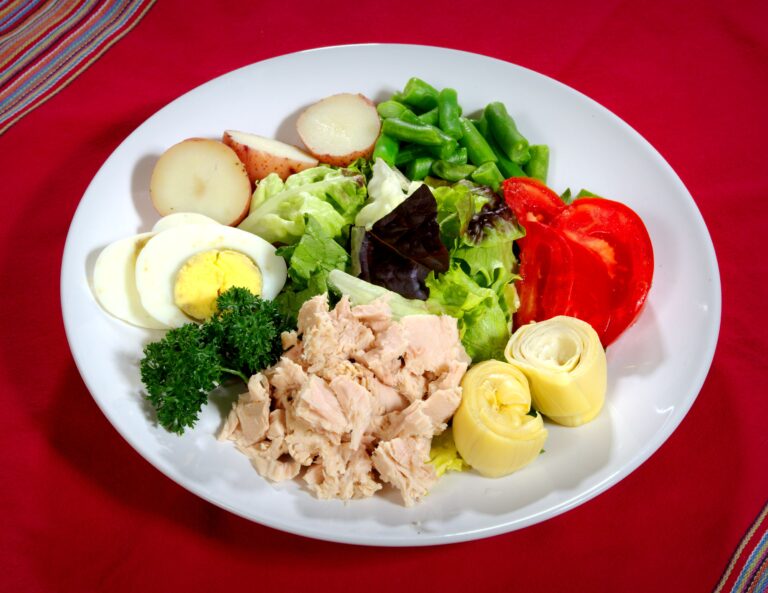
Fill half your plate with colorful produce at every meal. Fruits and vegetables are rich in antioxidants, fiber, and essential vitamins that support immune function and reduce inflammation. Aim for a variety of colors—deep greens, bright oranges, and vibrant purples—to ensure a broad spectrum of nutrients.
Frozen and canned options (without added sugar or sodium) count too. They’re convenient, budget-friendly, and just as nutritious as fresh. Smoothies, salads, and roasted veggies are easy ways to increase your intake without extra effort.
3. Choose Quality Proteins
Protein is essential for muscle repair, satiety, and metabolic health. Opt for clean sources like wild-caught fish, free-range poultry, eggs, legumes, tofu, and Greek yogurt. These options are lower in saturated fats and free from antibiotics and hormones often found in conventional meats.
For plant-based beginners, combining beans with whole grains (like lentils and quinoa) creates complete proteins. Even small changes—like swapping processed sausages for grilled salmon—can make a big difference in how you feel.
4. Swap Refined Grains for Whole Grains
Refined grains like white bread, pasta, and rice are stripped of their bran and germ, leaving behind mostly empty calories. Whole grains, on the other hand, retain their fiber and nutrients, helping regulate blood sugar and support digestion.
Look for labels that say “100% whole grain” or “whole wheat.” Try oats, barley, farro, or brown rice as satisfying alternatives. They take slightly longer to cook but offer far greater nutritional value and keep you full longer.
5. Limit Added Sugars and Artificial Sweeteners
Added sugars hide in unexpected places—yogurts, sauces, granola bars, and even “healthy” smoothies. Over time, excess sugar contributes to weight gain, energy crashes, and chronic inflammation. Clean eating means reducing or eliminating these hidden sources.
Instead of sugary snacks, satisfy your sweet tooth with naturally sweet options like fresh fruit, dates, or a small square of dark chocolate (70% cacao or higher). Your taste buds will adjust, and you’ll crave less sugar over time.
6. Cook More Meals at Home
One of the most effective clean eating tips for beginners is taking control of your kitchen. Home-cooked meals allow you to choose ingredients, control portions, and avoid hidden additives common in restaurant and packaged foods.
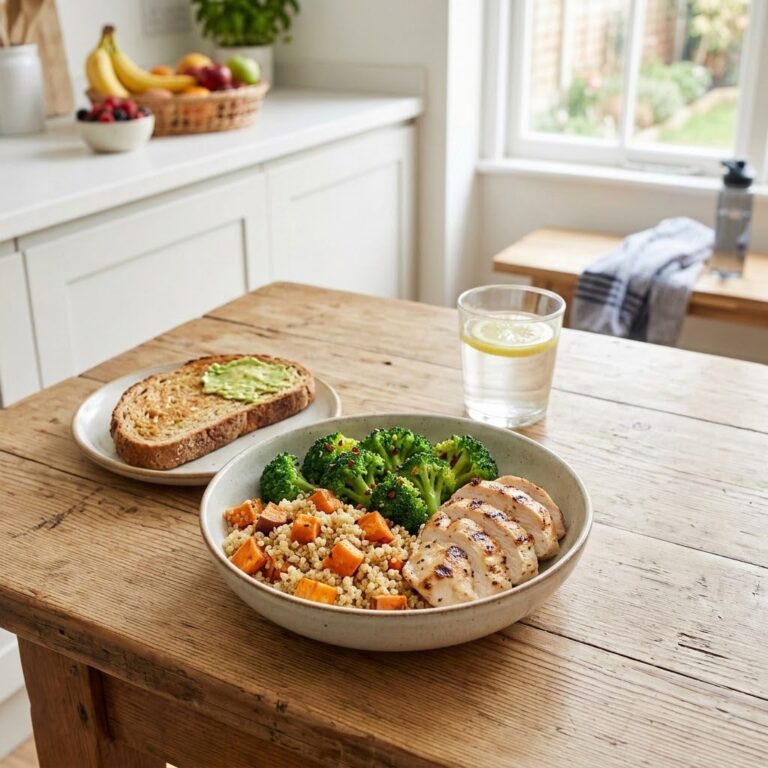
Start simple: batch-cook grains, roast a tray of vegetables, or prepare a big pot of soup on weekends. Meal prepping doesn’t have to be elaborate—just having clean ingredients ready makes healthy choices easier during busy weekdays.
7. Stay Hydrated with Water and Herbal Teas
Hydration is a cornerstone of clean eating. Water supports digestion, flushes toxins, and helps maintain energy levels. Many people mistake thirst for hunger, leading to unnecessary snacking.
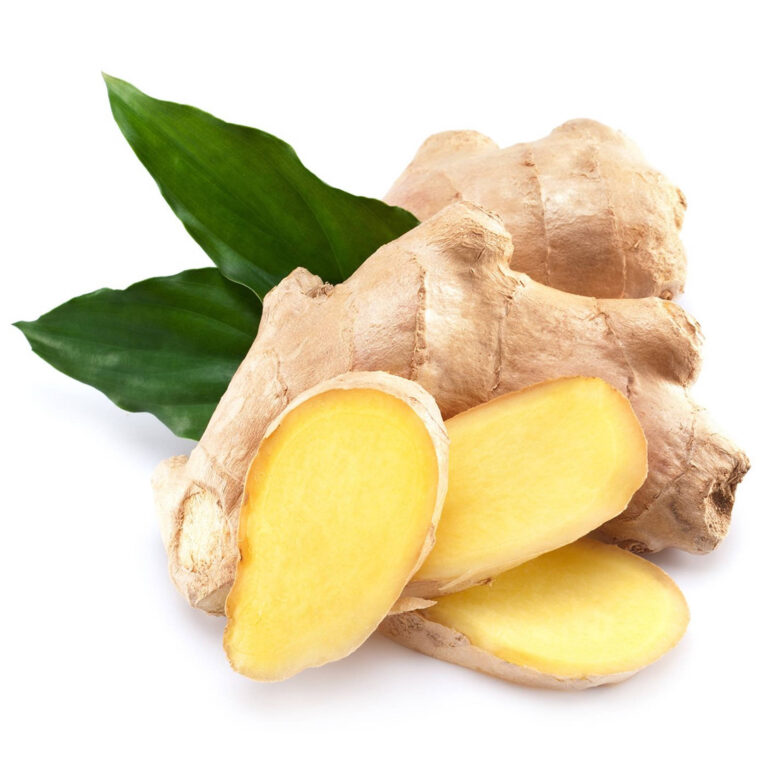
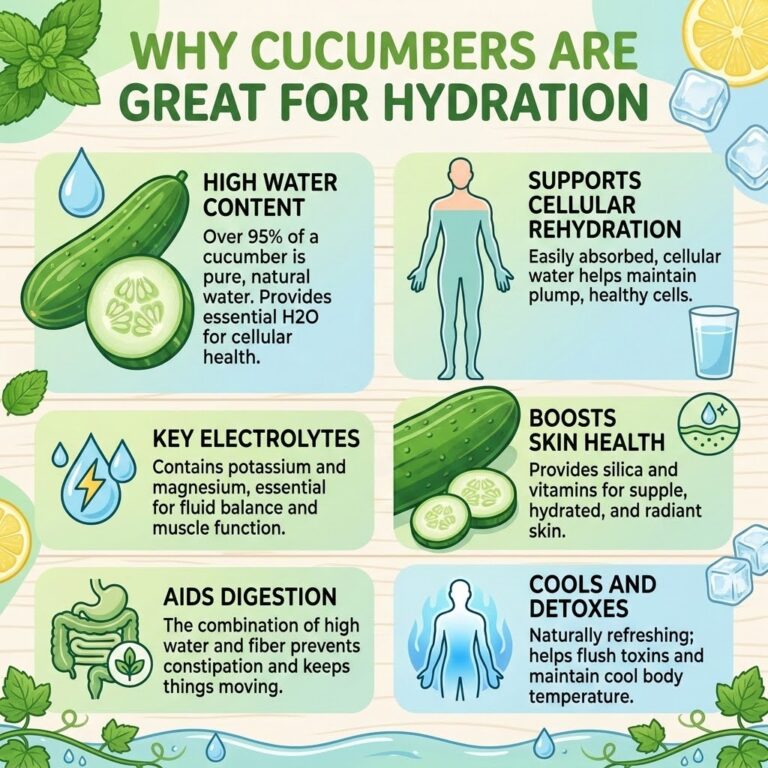
Skip sugary sodas and energy drinks. Instead, drink plain water, infused with lemon or cucumber, or unsweetened herbal teas like peppermint or ginger. Carrying a reusable water bottle helps you stay on track throughout the day.
Common Mistakes to Avoid
Even with the best intentions, beginners often fall into common traps. One is labeling foods as “good” or “bad,” which can lead to guilt and disordered eating. Clean eating isn’t about perfection—it’s about progress.
Another mistake is overcomplicating meals. You don’t need exotic ingredients or gourmet techniques. A simple bowl of quinoa, black beans, avocado, and salsa is clean, delicious, and nutritious.
Lastly, don’t expect overnight results. Your body needs time to adjust. Focus on consistency, not speed. Small, sustainable changes lead to lasting habits.
How to Make Clean Eating Sustainable
Sustainability is key to long-term success. Clean eating should fit into your life—not disrupt it. Start with one or two changes at a time. Maybe this week you swap soda for water, and next week you add an extra vegetable to dinner.
Involve your family or housemates. Cook together, share recipes, and make it a team effort. When clean eating becomes a shared habit, it’s easier to stay motivated.
Also, allow flexibility. Occasional treats won’t derail your progress. The 80/20 rule works well: eat clean 80% of the time, and enjoy your favorite foods the other 20%. Balance prevents burnout and keeps you on track.
Key Takeaways
- Clean eating focuses on whole, minimally processed foods.
- Beginners should start small—swap one processed item for a whole food each week.
- Prioritize fruits, vegetables, lean proteins, and whole grains.
- Cooking at home gives you control over ingredients and portions.
- Avoid added sugars and artificial ingredients whenever possible.
- Hydration and mindful eating support overall wellness.
- Progress, not perfection, leads to lasting change.
Frequently Asked Questions
Is clean eating the same as a detox or cleanse?
No. Clean eating is a long-term approach to nutrition that emphasizes whole foods and balanced meals. Detoxes and cleanses often involve extreme restrictions, fasting, or liquid-only diets, which are not sustainable or scientifically supported. Clean eating supports natural detoxification through healthy food choices—not short-term gimmicks.
Can I eat out while following clean eating principles?
Absolutely. When dining out, look for menu items that feature grilled proteins, steamed vegetables, and whole grains. Ask for dressings and sauces on the side, and choose water or unsweetened tea over sugary drinks. Many restaurants now offer clean, nutrient-dense options—just read descriptions carefully and don’t be afraid to customize your order.
Do I need to buy organic to eat clean?
Organic isn’t required for clean eating, but it can reduce exposure to pesticides and antibiotics. If budget is a concern, focus on the “Dirty Dozen” list—produce with the highest pesticide residues—and buy organic versions of those. For other items, conventional whole foods are still far better than processed alternatives.
Final Thoughts
Adopting simple clean eating tips for beginners doesn’t have to be complicated or expensive. It’s about making mindful choices that honor your body and support your well-being. Start with one change, build from there, and remember that every small step counts. With time, clean eating becomes second nature—leading to more energy, better digestion, and a healthier, happier you.
About the Author