Looking for the best low sugar snacks for healthy eating? You’re not alone. With rising awareness about the health risks of excessive sugar—from weight gain to insulin resistance—many people are rethinking their snack choices. The good news? Eating well doesn’t mean sacrificing flavor or satisfaction. In fact, some of the most delicious and nutritious snacks are naturally low in added sugars and packed with protein, fiber, and healthy fats to keep you full and energized.
Whether you’re managing blood sugar, cutting calories, or simply aiming for a cleaner diet, choosing the right snacks can make all the difference. This guide highlights the top low-sugar snack options that support your wellness goals without leaving you feeling deprived. From crunchy veggies to creamy dips and protein-rich bites, we’ve got you covered with practical, real-world choices you can enjoy every day.
Why Low Sugar Snacks Matter for Long-Term Health
Excess sugar intake is linked to a host of health issues, including obesity, type 2 diabetes, heart disease, and even cognitive decline. The American Heart Association recommends no more than 25 grams (6 teaspoons) of added sugar per day for women and 36 grams (9 teaspoons) for men—yet many processed snacks contain half that amount in a single serving.
Switching to low sugar snacks helps stabilize energy levels, reduce cravings, and support metabolic health. Unlike sugary treats that cause blood sugar spikes and crashes, low-sugar options provide sustained fuel. They’re especially beneficial for people with diabetes, those on low-carb diets, or anyone trying to maintain a healthy weight.
Moreover, many low-sugar snacks are rich in nutrients that support brain function, digestion, and immunity. Think fiber from vegetables, omega-3s from nuts, and antioxidants from berries. These aren’t just “safe” choices—they’re power-packed upgrades to your daily routine.
Top 10 Best Low Sugar Snacks for Healthy Eating
Not all snacks are created equal. Below are ten of the most effective, delicious, and convenient low-sugar options that align with a healthy eating lifestyle. Each one is naturally low in added sugars, high in nutrients, and easy to prepare or grab on the go.
1. Raw Vegetables with Hummus
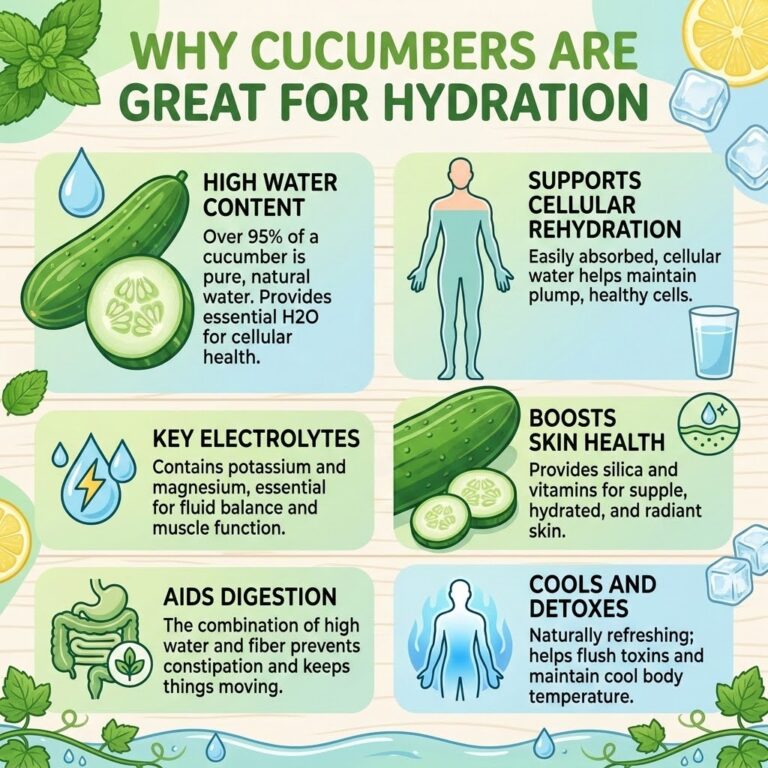
Crunchy, colorful, and full of fiber, raw vegetables like bell peppers, cucumbers, celery, and cherry tomatoes are excellent low-sugar choices. Pair them with a small serving of hummus for a satisfying combo of protein and healthy fats. Most store-bought hummus contains minimal added sugar—just check the label to avoid brands with added sweeteners.
2. Hard-Boiled Eggs
Eggs are a nutritional powerhouse, offering high-quality protein, choline, and essential vitamins. Hard-boiled eggs require no prep and keep well in the fridge for up to a week. They’re perfect for curbing hunger between meals without spiking blood sugar.
3. Plain Greek Yogurt with Fresh Berries
Choose unsweetened Greek yogurt for a creamy, protein-rich base. Top with a handful of fresh blueberries, strawberries, or raspberries. These berries are naturally low in sugar and high in antioxidants. Avoid flavored yogurts, which often contain hidden sugars.
4. Nuts and Seeds (Unsalted and Unsweetened)
Almonds, walnuts, pumpkin seeds, and sunflower seeds are rich in healthy fats, protein, and magnesium. A small handful (about 1 ounce) makes a filling snack. Just avoid candied or honey-roasted varieties, which can contain significant added sugar.
5. Cottage Cheese with Cucumber Slices
Cottage cheese is high in casein protein, which digests slowly and keeps you full longer. Pair it with sliced cucumbers or a sprinkle of black pepper for a refreshing, low-carb snack. Opt for plain cottage cheese to avoid added sugars found in fruit-flavored versions.
6. Avocado Slices with Sea Salt
Avocados are loaded with monounsaturated fats, fiber, and potassium. Simply slice one up, sprinkle with a pinch of sea salt, and enjoy. For extra flavor, add a dash of lime juice or red pepper flakes. No added sugar, just pure, creamy goodness.
7. Edamame (Steamed and Lightly Salted)
These young soybeans are a plant-based protein favorite. Steamed edamame in the pod is low in sugar and high in fiber and folate. A half-cup serving provides about 9 grams of protein—ideal for vegetarians and vegans alike.
8. Turkey or Chicken Roll-Ups
Take a slice of lean deli turkey or chicken and wrap it around a pickle, avocado slice, or a thin strip of bell pepper. These roll-ups are low in carbs and sugar, high in protein, and incredibly satisfying. Avoid processed meats with added sugars or nitrates when possible.
9. Roasted Chickpeas
Homemade roasted chickpeas are a crunchy, fiber-rich alternative to chips. Simply toss drained chickpeas with olive oil, salt, and your favorite spices (like paprika or cumin), then roast until crispy. Store-bought versions can be high in sugar, so making your own ensures control over ingredients.
10. Sugar-Free Nut Butter with Celery Sticks
Spread a tablespoon of natural almond or peanut butter (with no added sugar) onto celery sticks. This classic “ants on a log” combo is crunchy, creamy, and balanced in macronutrients. Just read labels—many commercial nut butters contain added sugars or hydrogenated oils.
How to Read Labels: Spotting Hidden Sugars
Even snacks marketed as “healthy” can be loaded with hidden sugars. Learning to read nutrition labels is a crucial skill for anyone serious about low-sugar eating. Added sugars can appear under many names, including cane sugar, high-fructose corn syrup, agave nectar, maple syrup, and fruit juice concentrate.
Check the “Added Sugars” line on the Nutrition Facts panel—this is required on U.S. labels and gives a clear picture of how much sugar has been added during processing. Aim for snacks with 5 grams or less of added sugar per serving. Also, look at the ingredient list: if sugar or a sugar derivative is in the top three ingredients, it’s likely too high in sugar.
Another tip: compare similar products. For example, two brands of granola bars may look similar, but one could have 12 grams of sugar while another has only 3. Small choices like this add up over time and can significantly impact your overall sugar intake.
Homemade vs. Store-Bought: Which Is Better?
While store-bought snacks offer convenience, they often come with preservatives, added sugars, and unhealthy fats. Homemade snacks, on the other hand, give you full control over ingredients and portion sizes. They’re typically fresher, more flavorful, and more cost-effective in the long run.
That said, not everyone has time to prepare snacks daily. In those cases, look for minimally processed, whole-food options with short ingredient lists. Brands like RXBAR, KIND (low-sugar lines), and Simple Mills offer better-for-you packaged snacks—just double-check the sugar content.
For busy days, consider prepping snacks in bulk. Chop veggies, hard-boil eggs, or roast chickpeas on Sunday, then store them in portioned containers. This way, you’ll always have a healthy, low-sugar option ready to grab.
Key Takeaways: Making Low Sugar Snacks Work for You
- Prioritize whole, unprocessed foods like vegetables, nuts, eggs, and plain dairy for naturally low-sugar options.
- Read labels carefully to avoid hidden sugars in seemingly healthy snacks.
- Balance macronutrients by combining protein, healthy fats, and fiber to stay full and avoid energy crashes.
- Prep ahead to make healthy snacking convenient and consistent.
- Flavor without sugar using herbs, spices, citrus, and vinegar instead of sweeteners.
FAQ: Your Questions About Low Sugar Snacks, Answered
Are fruits considered low sugar snacks?
While fruits contain natural sugars, they’re also rich in fiber, vitamins, and antioxidants. Whole fruits like apples, pears, and berries are excellent choices in moderation. However, dried fruits and fruit juices are more concentrated in sugar and should be limited. Stick to one serving of whole fruit per snack.
Can I eat chocolate as a low sugar snack?
Yes—if you choose wisely. Look for dark chocolate with at least 70% cocoa and minimal added sugar. A small square (about 1 ounce) can satisfy a sweet tooth without spiking blood sugar. Avoid milk chocolate and candy bars, which are typically high in sugar and unhealthy fats.
What are some kid-friendly low sugar snacks?
Kids can enjoy many of the same snacks as adults, with slight modifications. Try apple slices with almond butter, cheese cubes, yogurt tubes (unsweetened), or homemade trail mix with nuts and seeds. Involve them in prep to make healthy eating fun and engaging.
Final Thoughts: Snack Smart, Stay Healthy
Choosing the best low sugar snacks for healthy eating isn’t about restriction—it’s about making smarter, more nourishing choices that support your body and mind. With so many delicious, satisfying options available, there’s no need to rely on sugary, processed treats.
Start small: swap one sugary snack a day for a low-sugar alternative. Over time, your taste buds will adapt, and you’ll notice improved energy, fewer cravings, and better overall well-being. Remember, healthy eating is a journey, not a destination. Every smart snack choice brings you one step closer to a healthier, happier you.
About the Author