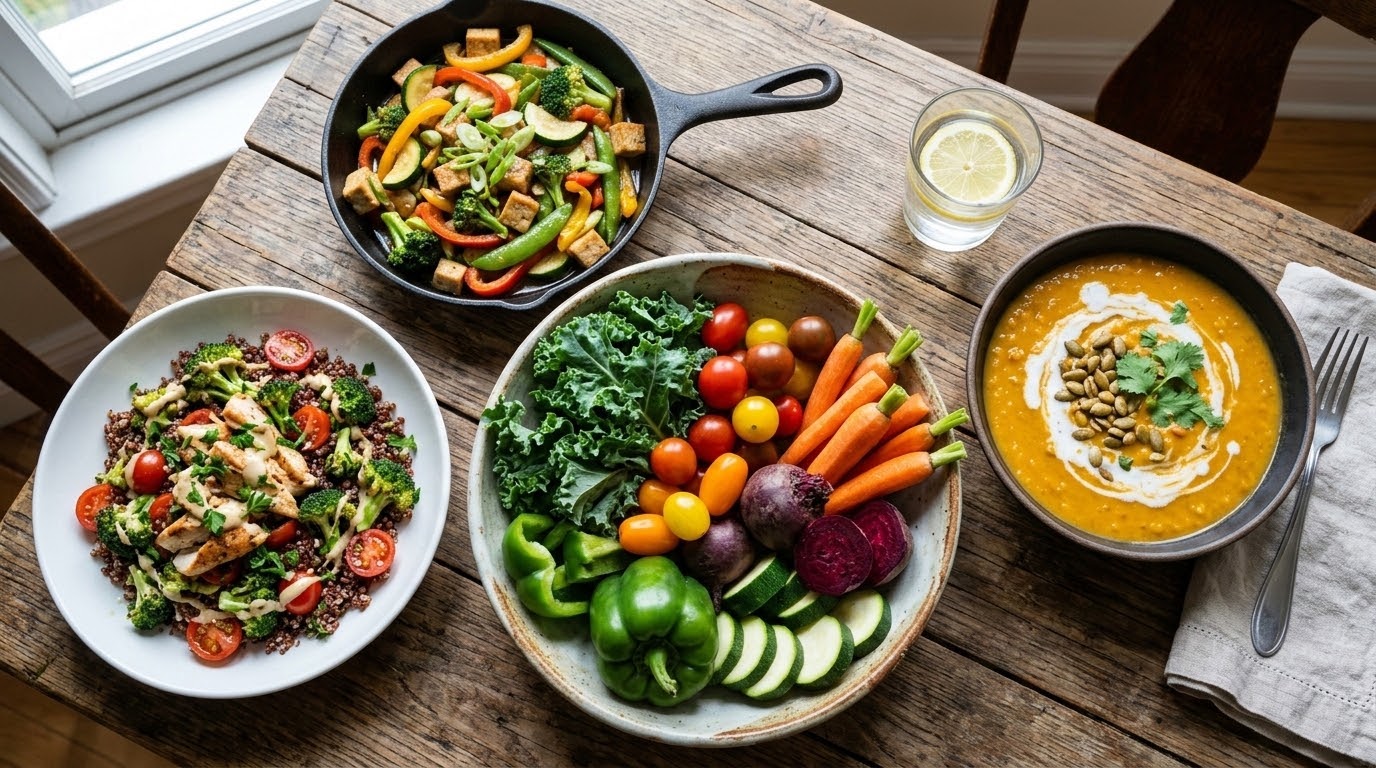
Looking for delicious ways to eat more fresh vegetables without sacrificing flavor? You’re in the right place. Healthy recipes using fresh vegetables aren’t just good for your body—they’re also quick to prepare, budget-friendly, and bursting with natural taste. Whether you’re a busy parent, a fitness enthusiast, or someone simply trying to eat cleaner, incorporating seasonal produce into your meals is one of the smartest health moves you can make.
Fresh vegetables bring vibrant colors, essential vitamins, fiber, and antioxidants to your plate. From crisp salads to hearty stir-fries, there’s no shortage of creative, satisfying dishes that highlight nature’s bounty. This guide walks you through some of the best healthy recipes using fresh vegetables—each designed to be simple, nutritious, and full of flavor.
Why Fresh Vegetables Belong in Every Meal
Fresh vegetables are nutritional powerhouses. They’re low in calories but high in nutrients like vitamin C, potassium, folate, and dietary fiber. Regular consumption is linked to reduced risk of chronic diseases, improved digestion, and better weight management.
Unlike frozen or canned options, fresh vegetables often retain more of their natural texture, flavor, and nutrient content—especially when sourced locally and eaten in season. Plus, they offer endless versatility in the kitchen. Whether raw, roasted, steamed, or sautéed, fresh veggies can transform any dish into a wholesome meal.
Top Benefits of Cooking with Fresh Vegetables
- Higher nutrient retention compared to processed alternatives
- Better taste and texture in every bite
- Supports local farmers and sustainable agriculture
- Encourages culinary creativity with seasonal ingredients
5 Healthy Recipes Using Fresh Vegetables (Ready in Under 30 Minutes)
1. Rainbow Veggie Stir-Fry with Ginger-Turmeric Sauce
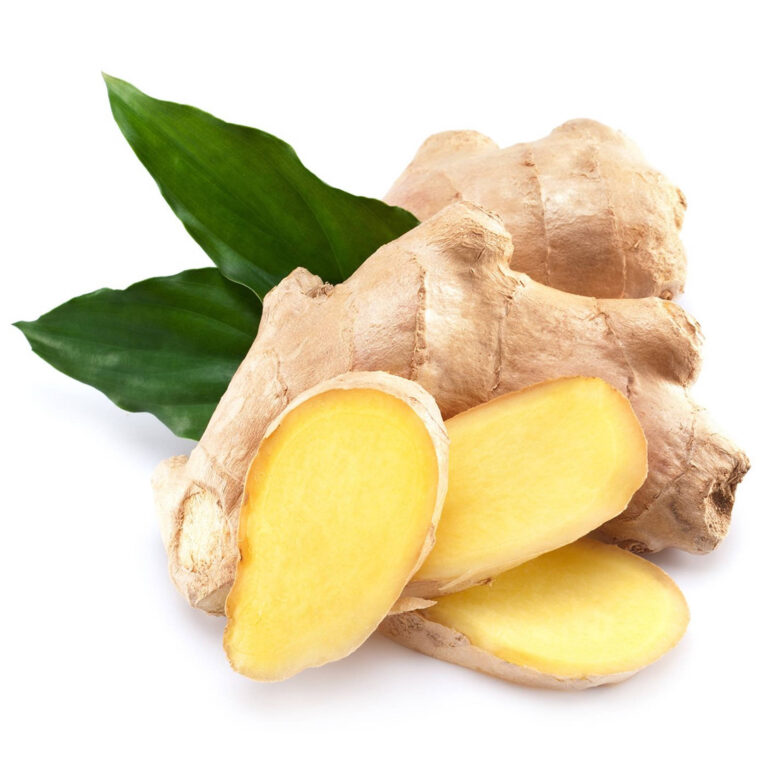
This colorful stir-fry combines crisp bell peppers, broccoli, carrots, snap peas, and red cabbage in a fragrant sauce made with fresh ginger, garlic, turmeric, and a splash of low-sodium soy sauce. Sauté everything in a bit of avocado oil over high heat for 8–10 minutes, and serve over brown rice or quinoa for a complete meal.
The turmeric adds anti-inflammatory benefits, while the ginger aids digestion. This dish is not only visually stunning but also packed with antioxidants and fiber. Perfect for meal prep—store leftovers in airtight containers for up to 4 days.
2. Mediterranean Cucumber and Tomato Salad with Herbs
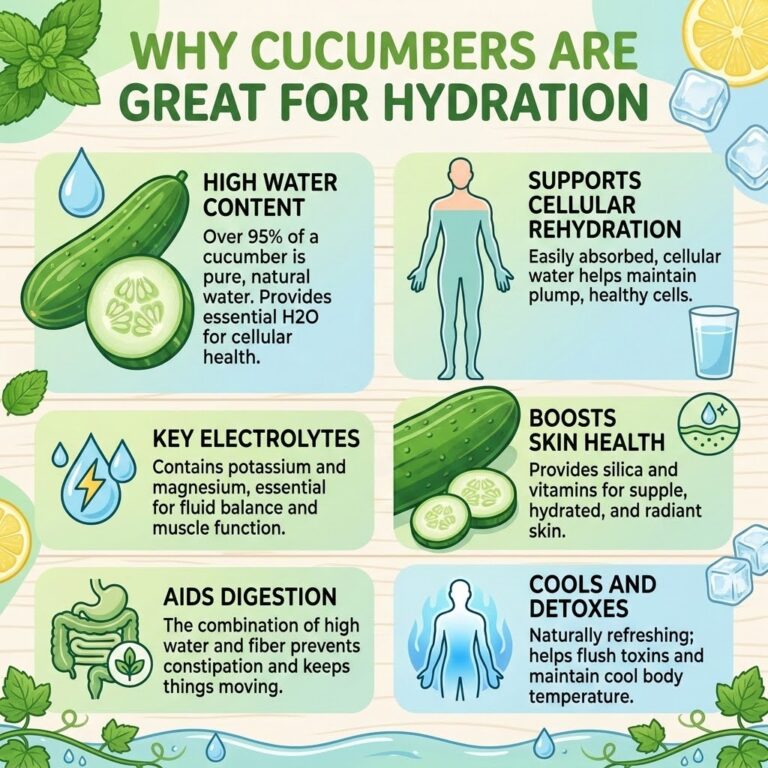
Chop ripe tomatoes, Persian cucumbers, red onion, and Kalamata olives, then toss with fresh parsley, mint, and a simple dressing of extra virgin olive oil, lemon juice, salt, and pepper. This no-cook salad is refreshing, hydrating, and ideal for hot days.
Rich in lycopene from tomatoes and heart-healthy fats from olive oil, this salad supports skin health and cardiovascular function. Add crumbled feta for extra protein or serve alongside grilled chicken for a balanced plate.
3. Zucchini Noodles with Pesto and Cherry Tomatoes
Spiralize fresh zucchini into noodles and lightly sauté them for 2–3 minutes to soften slightly. Toss with homemade basil pesto (made with fresh basil, pine nuts, garlic, Parmesan, and olive oil) and halved cherry tomatoes. Finish with a sprinkle of nutritional yeast for a cheesy, dairy-free flavor.
This low-carb alternative to pasta is rich in vitamin A and potassium. It’s also gluten-free and ready in under 15 minutes—perfect for a light lunch or dinner.
4. Roasted Root Vegetable Medley with Thyme
Cut carrots, parsnips, beets, and sweet potatoes into even chunks. Toss with olive oil, fresh thyme, sea salt, and a pinch of black pepper. Roast at 400°F (200°C) for 25–30 minutes until tender and caramelized.
Roasting enhances the natural sweetness of root vegetables while preserving their nutrients. This dish is especially rich in beta-carotene and fiber, making it a great side for lean proteins like baked salmon or grilled tofu.
5. Spinach and Strawberry Salad with Balsamic Glaze
Combine baby spinach, sliced strawberries, toasted almonds, and red onion in a large bowl. Drizzle with a balsamic glaze made by reducing balsamic vinegar with a touch of honey. The sweet-tangy dressing complements the earthy greens perfectly.
This salad is high in vitamin C, iron, and antioxidants. It’s also naturally sweet, making it a great option for those looking to reduce added sugar in their diet.
Tips for Choosing and Storing Fresh Vegetables
To get the most out of your healthy recipes using fresh vegetables, start with quality ingredients. Look for firm, brightly colored produce with no signs of wilting or bruising. Buy seasonal vegetables when possible—they’re often fresher, tastier, and more affordable.
Store leafy greens in the refrigerator with a damp paper towel to maintain crispness. Root vegetables like carrots and beets do well in the crisper drawer. Avoid washing vegetables until right before use to prevent spoilage.
How to Maximize Freshness and Flavor
- Shop at farmers’ markets for peak-season produce
- Use a vegetable brush to clean dirt from root veggies
- Trim stems and remove outer leaves before storage
- Keep herbs like parsley and cilantro in water like bouquets
Creative Ways to Use Leftover Fresh Vegetables
Don’t let excess produce go to waste. Turn leftover fresh vegetables into soups, frittatas, or veggie-packed smoothies. A simple vegetable broth can be made by simmering scraps like carrot tops, onion skins, and celery ends.
You can also blend cooked vegetables into sauces or dips. For example, roasted red peppers and zucchini make a creamy, nutrient-dense base for a dairy-free Alfredo alternative.
Zero-Waste Ideas for Common Veggies
- Broccoli stems: Shred into slaws or blend into soups
- Carrot tops: Use in pesto or as a garnish
- Bell pepper cores: Chop and add to stir-fries or omelets
- Kale ribs: Sauté with garlic for a crispy garnish
Key Takeaways
- Healthy recipes using fresh vegetables are easy, fast, and full of nutrients
- Seasonal produce offers better flavor and higher nutrient content
- Simple cooking methods like roasting, sautéing, and raw prep preserve freshness
- Creative use of leftovers reduces food waste and boosts meal variety
- Combining vegetables with healthy fats enhances nutrient absorption
FAQ: Your Questions About Fresh Vegetable Recipes, Answered
Can I substitute frozen vegetables in these recipes?
Yes, frozen vegetables can work in a pinch—especially for soups, stir-fries, and casseroles. However, for salads and raw dishes, fresh vegetables provide better texture and crunch. If using frozen, thaw and drain well to avoid excess moisture.
How do I make sure my vegetable dishes don’t taste bland?
Flavor comes from quality ingredients and smart seasoning. Use fresh herbs, citrus zest, garlic, ginger, and high-quality oils. A pinch of salt and a splash of acid (like lemon or vinegar) can dramatically enhance taste. Don’t be afraid to experiment with spices like cumin, smoked paprika, or chili flakes.
Are these recipes suitable for meal prep?
Absolutely. Most of these healthy recipes using fresh vegetables hold up well in the fridge for 3–5 days. Store components separately when possible (e.g., dressings on the side) to maintain texture. Roasted vegetables and grain-based salads are especially meal-prep friendly.
Final Thoughts: Make Fresh Vegetables the Star of Your Plate
Eating well doesn’t have to be complicated or expensive. With a few fresh vegetables and simple techniques, you can create meals that are both nourishing and delicious. These healthy recipes using fresh vegetables prove that good nutrition can also be full of flavor, color, and joy.
Start small—swap one processed meal a week for a veggie-rich dish. Over time, you’ll notice more energy, better digestion, and a stronger connection to the food on your plate. Your body will thank you, and your taste buds will too.
About the Author