Want radiant, healthy skin without relying solely on expensive creams and serums? The secret might already be in your kitchen. The best foods for healthy and glowing skin are packed with vitamins, antioxidants, and healthy fats that nourish your skin from the inside out. While topical treatments can help, true skin transformation starts with what you eat. A balanced diet rich in skin-friendly nutrients supports collagen production, fights inflammation, and protects against environmental damage—giving you that natural, lit-from-within glow.
Your skin is your body’s largest organ, and it reflects your internal health. Poor diet, stress, and dehydration can lead to dullness, acne, and premature aging. But by incorporating the right foods into your daily meals, you can enhance your skin’s texture, elasticity, and overall appearance. This article dives deep into the top foods scientifically proven to promote healthy, glowing skin—so you can eat your way to a more vibrant complexion.
Why Nutrition Matters for Skin Health
Your skin renews itself every 28 to 40 days, and every new cell is built from the nutrients you consume. Without adequate vitamins, minerals, and healthy fats, your skin struggles to repair itself, retain moisture, and defend against oxidative stress. Environmental factors like UV rays and pollution accelerate skin aging, but a nutrient-rich diet can counteract these effects.
Key nutrients such as vitamin C, vitamin E, omega-3 fatty acids, zinc, and antioxidants play vital roles in maintaining skin integrity. They help reduce inflammation, support collagen synthesis, and protect against free radical damage. When your diet lacks these essentials, your skin may appear dry, flaky, or prone to breakouts. On the flip side, a well-nourished body reflects in the mirror—with smoother texture, fewer blemishes, and a natural radiance.
Top 10 Best Foods for Healthy and Glowing Skin
1. Fatty Fish (Salmon, Mackerel, Sardines)
Fatty fish are among the most powerful foods for glowing skin. Rich in omega-3 fatty acids, they help maintain skin elasticity and reduce inflammation. Omega-3s also support the skin’s lipid barrier, which keeps moisture in and irritants out. Additionally, fatty fish provide high-quality protein and vitamin E—both essential for skin repair and protection.
2. Avocados
Avocados are loaded with healthy monounsaturated fats that keep your skin supple and hydrated. They’re also a great source of vitamin E, a potent antioxidant that protects skin cells from oxidative damage. Pairing avocado with foods high in carotenoids (like tomatoes or carrots) enhances nutrient absorption, boosting their skin benefits even further.
3. Walnuts
Walnuts are a skin superfood thanks to their unique combination of omega-3s, omega-6 fatty acids, zinc, and vitamin E. These nutrients work together to reduce inflammation, support skin structure, and promote healing. Just a small handful a day can make a noticeable difference in skin texture and clarity.
4. Sweet Potatoes
Sweet potatoes are rich in beta-carotene, a carotenoid that your body converts into vitamin A. This nutrient is crucial for skin cell turnover and protection against sun damage. Beta-carotene also gives your skin a warm, healthy glow—naturally enhancing your complexion without makeup.
5. Red and Yellow Bell Peppers
These colorful vegetables are packed with vitamin C, a key player in collagen production. Collagen gives your skin firmness and helps prevent fine lines and wrinkles. Bell peppers also contain antioxidants that fight free radicals, keeping your skin looking youthful and vibrant.
6. Broccoli
Broccoli is a nutrient powerhouse for skin health. It contains vitamins A, C, and E, along with zinc and lutein—an antioxidant that protects skin from oxidative stress. Sulforaphane, a compound in broccoli, may even help prevent skin cancer by neutralizing harmful UV effects.
7. Tomatoes
Tomatoes are rich in lycopene, a powerful antioxidant that gives them their red color. Lycopene helps protect skin from sun damage and may reduce the appearance of wrinkles. For best results, consume tomatoes with a source of healthy fat, like olive oil, to boost lycopene absorption.
8. Green Tea
Green tea is brimming with catechins, antioxidants that improve skin elasticity and hydration. Studies show that green tea can reduce redness, protect against UV damage, and even slow signs of aging. Swap your afternoon coffee for a cup of green tea to give your skin an internal boost.
9. Dark Chocolate (70% Cocoa or Higher)
Good news for chocolate lovers: dark chocolate with high cocoa content can improve skin texture and thickness. The flavonols in cocoa increase blood flow to the skin, enhance hydration, and provide UV protection. Just remember to enjoy it in moderation as part of a balanced diet.
10. Water and Hydrating Foods
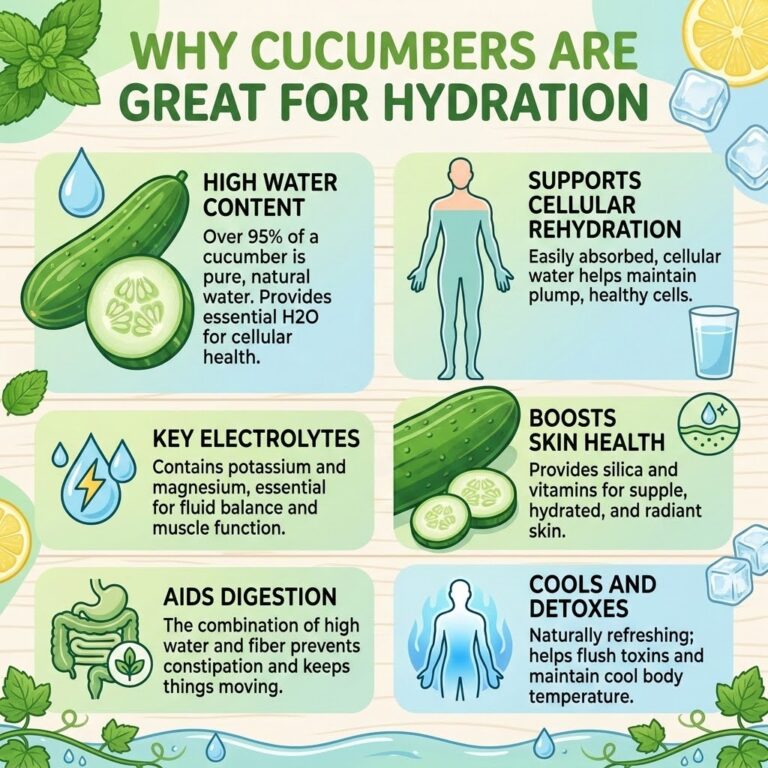
Hydration is non-negotiable for glowing skin. While plain water is essential, hydrating foods like cucumbers, watermelon, and oranges also contribute to your daily fluid intake. Proper hydration plumps the skin, reduces puffiness, and supports detoxification.
Foods to Avoid for Clear, Radiant Skin
While adding skin-boosting foods is important, it’s equally crucial to limit those that can sabotage your glow. Diets high in refined sugars, processed carbohydrates, and unhealthy fats can trigger inflammation, clog pores, and accelerate aging.
Common culprits include sugary snacks, white bread, fried foods, and excessive dairy. These foods may spike insulin levels, leading to increased oil production and breakouts. Alcohol and excessive caffeine can also dehydrate the skin, making it look dull and tired. Moderation is key—occasional treats won’t ruin your skin, but consistent poor choices will show over time.
How to Build a Skin-Healthy Meal Plan
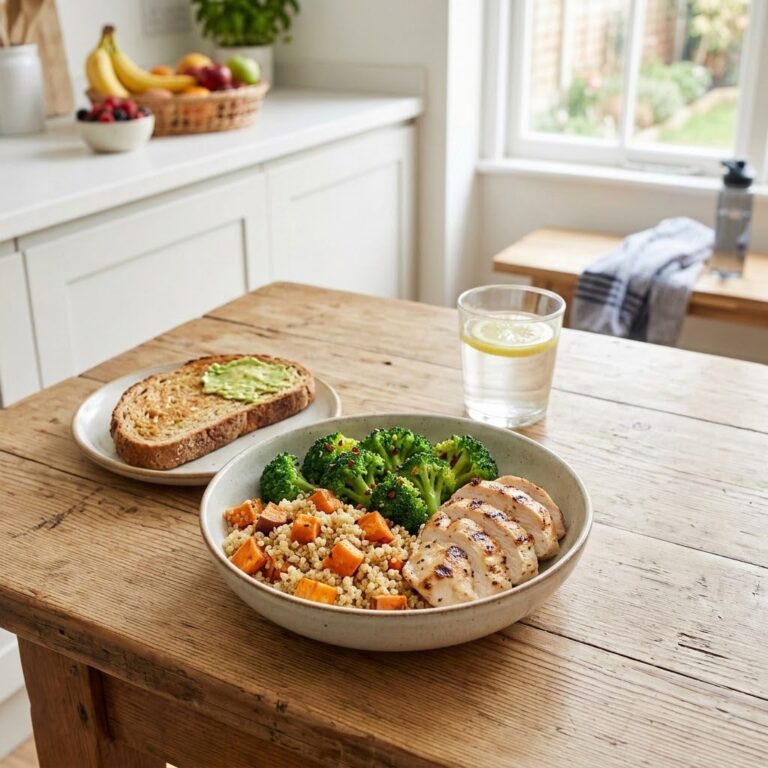
Creating a diet that supports glowing skin doesn’t have to be complicated. Focus on whole, minimally processed foods and aim for variety. Here’s a simple framework:
- Breakfast: Greek yogurt with berries, chia seeds, and a drizzle of honey.
- Lunch: Grilled salmon salad with spinach, avocado, cherry tomatoes, and olive oil dressing.
- Snack: A handful of walnuts and a sliced bell pepper.
- Dinner: Stir-fried tofu with broccoli, sweet potatoes, and turmeric-spiced quinoa.
- Beverages: Green tea, herbal infusions, and plenty of water throughout the day.
This pattern ensures you’re getting a steady supply of skin-loving nutrients without feeling restricted. Over time, your skin will respond with improved clarity, hydration, and radiance.
Key Takeaways
- The best foods for healthy and glowing skin include fatty fish, avocados, nuts, colorful vegetables, and antioxidant-rich beverages.
- Nutrients like vitamins A, C, E, omega-3s, and zinc are essential for skin repair, hydration, and protection.
- Avoiding processed sugars and unhealthy fats helps prevent inflammation and breakouts.
- Hydration—both from water and water-rich foods—plays a critical role in maintaining skin elasticity and glow.
- Consistency matters: long-term dietary habits have a greater impact on skin health than short-term fixes.
FAQ
Can food really improve my skin tone?
Yes. Foods rich in antioxidants, healthy fats, and vitamins directly influence skin health by reducing inflammation, supporting collagen production, and protecting against environmental damage. Over time, a nutrient-dense diet can lead to a more even, radiant complexion.
How long does it take to see results from eating skin-friendly foods?
Most people notice improvements in skin texture and hydration within 4 to 6 weeks of consistent dietary changes. However, long-term benefits—like reduced signs of aging and fewer breakouts—become more apparent over several months.
Are supplements necessary for glowing skin?
While a balanced diet should be your primary source of nutrients, some people may benefit from supplements—especially if they have deficiencies. However, whole foods offer synergistic benefits that supplements can’t fully replicate. Always consult a healthcare provider before starting any supplement regimen.
About the Author