Struggling with bloating, gas, or irregular bowel movements? You’re not alone. Millions of people face digestive discomfort daily, often due to poor dietary choices. The good news? Certain healthy foods that help improve digestion can restore balance to your gut, boost nutrient absorption, and leave you feeling lighter and more energized. This article dives deep into the best natural, science-backed foods that support a healthy digestive system—no supplements or gimmicks required.
From fiber-rich fruits to probiotic-packed fermented foods, we’ll explore exactly what to eat for smoother digestion. Whether you’re dealing with occasional constipation, indigestion, or just want to optimize your gut health, these foods are your digestive allies. Let’s get started.
Why Digestive Health Matters
Your digestive system is more than just a food processor—it’s the foundation of overall wellness. A healthy gut absorbs nutrients, supports immunity, and even influences mood through the gut-brain axis. When digestion falters, you may experience symptoms like bloating, fatigue, food intolerances, or skin issues.
Chronic poor digestion can lead to long-term conditions such as irritable bowel syndrome (IBS), leaky gut, or inflammatory bowel disease (IBD). That’s why incorporating healthy foods that help improve digestion isn’t just about comfort—it’s a proactive step toward lifelong health.
Top 10 Healthy Foods That Help Improve Digestion
1. Yogurt with Live Cultures
Yogurt containing live and active cultures—like Lactobacillus and Bifidobacterium—is one of the most effective probiotic foods for gut health. These beneficial bacteria help break down food, reduce inflammation, and crowd out harmful microbes.
Choose plain, unsweetened yogurt to avoid added sugars, which can disrupt gut flora. Greek yogurt is especially rich in protein and probiotics, making it a double win for digestion and satiety.
2. Oats and Whole Grains
Oats are packed with soluble fiber, particularly beta-glucan, which forms a gel-like substance in the gut. This slows digestion, stabilizes blood sugar, and feeds good gut bacteria.
Other whole grains like quinoa, brown rice, and barley also provide insoluble fiber, which adds bulk to stool and promotes regular bowel movements. Just be sure to increase fiber intake gradually and drink plenty of water to avoid bloating.
3. Leafy Greens (Spinach, Kale, Swiss Chard)
Leafy greens are rich in fiber, magnesium, and antioxidants—all essential for healthy digestion. Magnesium helps relax intestinal muscles, easing constipation, while fiber supports gut motility.
Kale and spinach also contain a type of sugar called sulfoquinovose, which feeds beneficial gut bacteria and helps maintain the integrity of the gut lining.
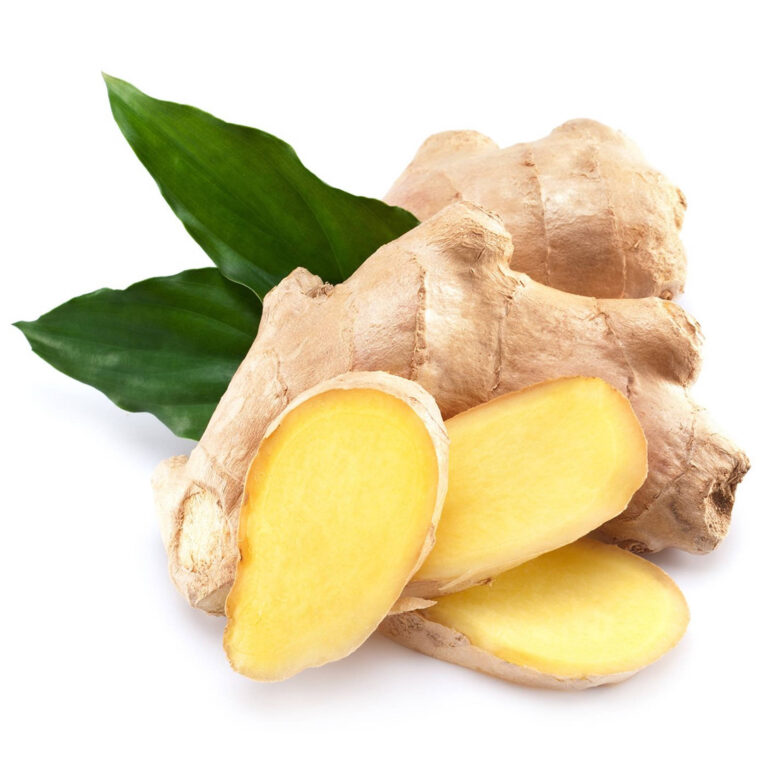
4. Ginger
Used for centuries in traditional medicine, ginger is a natural digestive aid. It stimulates gastric enzymes, speeds up stomach emptying, and reduces nausea and bloating.
Try sipping ginger tea before meals or adding fresh ginger to smoothies and stir-fries. Just a small amount can make a big difference in how your stomach feels after eating.
5. Bananas
Bananas are gentle on the stomach and rich in pectin, a soluble fiber that helps regulate bowel movements. They also contain potassium, which helps maintain fluid balance and supports muscle contractions in the digestive tract.
Ripe bananas are easier to digest and can help soothe an upset stomach, making them ideal for people with sensitive digestion or recovering from illness.
6. Apples
Apples are another excellent source of pectin, especially when eaten with the skin. Pectin acts as a prebiotic, feeding the good bacteria in your gut and promoting a balanced microbiome.
The fiber in apples also helps prevent constipation and may reduce the risk of diverticulitis. For best results, eat them raw and unpeeled.
7. Fermented Vegetables (Sauerkraut, Kimchi)
Fermented vegetables like sauerkraut and kimchi are teeming with probiotics and enzymes that enhance digestion. The fermentation process breaks down nutrients, making them easier for your body to absorb.
These foods also support gut diversity, which is linked to better immune function and reduced inflammation. Start with small portions if you’re new to fermented foods to avoid gas or bloating.
8. Chia Seeds and Flaxseeds
These tiny seeds are fiber powerhouses. Chia seeds absorb water and form a gel in the gut, which helps soften stool and promote regularity. Flaxseeds are rich in both soluble and insoluble fiber, plus omega-3 fatty acids that reduce gut inflammation.
Grind flaxseeds before eating to boost nutrient absorption. Add a tablespoon to smoothies, yogurt, or oatmeal for a digestion-friendly boost.
9. Papaya
Papaya contains an enzyme called papain, which aids in breaking down proteins and easing digestion. It’s especially helpful for people who struggle with protein-rich meals.
This tropical fruit is also rich in fiber and water content, both of which support healthy bowel function. Enjoy it fresh as a snack or blend into a smoothie.
10. Bone Broth
Bone broth is rich in collagen, gelatin, and amino acids like glutamine, which help heal and seal the gut lining. It’s particularly beneficial for people with leaky gut or inflammatory digestive conditions.
Sipping warm bone broth between meals can soothe the digestive tract and improve nutrient absorption. Look for homemade or high-quality store-bought versions with minimal additives.
How to Build a Digestive-Friendly Diet
Incorporating healthy foods that help improve digestion isn’t just about eating one or two superfoods—it’s about creating a balanced, consistent pattern. Here’s how to build a diet that supports long-term gut health:
- Eat a variety of fiber-rich foods: Aim for at least 25–35 grams of fiber per day from fruits, vegetables, whole grains, and legumes.
- Stay hydrated: Fiber works best when paired with plenty of water. Dehydration can lead to hard stools and constipation.
- Include probiotics and prebiotics: Probiotics (like yogurt and kimchi) introduce good bacteria, while prebiotics (like garlic, onions, and bananas) feed them.
- Limit processed foods and added sugars: These can disrupt gut bacteria and promote inflammation.
- Chew your food thoroughly: Digestion starts in the mouth. Slow eating improves enzyme activity and reduces bloating.
Foods to Avoid for Better Digestion
While adding gut-friendly foods is important, it’s equally crucial to limit those that hinder digestion. Common culprits include:
- Fried and fatty foods (slow digestion, increase bloating)
- Artificial sweeteners (can cause gas and alter gut bacteria)
- Excessive caffeine and alcohol (irritate the gut lining)
- Refined carbohydrates (white bread, pastries—low in fiber, spike blood sugar)
- Spicy foods (may trigger heartburn or IBS symptoms in sensitive individuals)
Everyone’s gut is different, so pay attention to how your body reacts. Keeping a food diary can help identify personal triggers.
Lifestyle Tips to Boost Digestive Health
Food is just one piece of the puzzle. Your daily habits also play a major role in digestion:
- Exercise regularly: Physical activity stimulates intestinal contractions and reduces constipation.
- Manage stress: Chronic stress disrupts gut function. Try meditation, deep breathing, or yoga.
- Eat mindfully: Avoid distractions during meals. Focus on chewing and savoring each bite.
- Maintain a regular eating schedule: Eating at consistent times helps regulate digestive rhythms.
- Get enough sleep: Poor sleep affects gut bacteria and increases inflammation.
Key Takeaways
- Eating healthy foods that help improve digestion can reduce bloating, constipation, and discomfort.
- Probiotic-rich foods like yogurt and fermented vegetables support a balanced gut microbiome.
- Fiber from fruits, vegetables, and whole grains promotes regularity and feeds good bacteria.
- Hydration, stress management, and mindful eating are essential for optimal digestion.
- Avoid processed foods, excess sugar, and fried items to protect your gut health.
Frequently Asked Questions (FAQ)
Can probiotics really improve digestion?
Yes, probiotics can significantly improve digestion by restoring balance to your gut microbiome. They help break down food, reduce inflammation, and support regular bowel movements. Look for foods with live cultures or high-quality supplements.
How long does it take to see improvements in digestion after changing my diet?
Many people notice improvements within a few days to a week, especially with reduced bloating and better bowel regularity. However, long-term gut healing—such as repairing the gut lining or rebalancing bacteria—can take several weeks to months.
Are there any side effects to eating too much fiber?
Yes, increasing fiber too quickly can cause gas, bloating, or cramping. To avoid this, gradually add fiber-rich foods to your diet and drink plenty of water. Most people adapt within a week or two.
Final Thoughts
Your digestive health is deeply connected to your overall well-being. By choosing the right healthy foods that help improve digestion, you’re not just easing discomfort—you’re investing in long-term vitality. Start small: add a serving of leafy greens, swap sugary snacks for fruit, or sip ginger tea after meals.
Over time, these changes add up. Your gut will thank you with better energy, clearer skin, and fewer digestive woes. Remember, a happy gut is a healthy gut—and it all starts with what’s on your plate.
About the Author