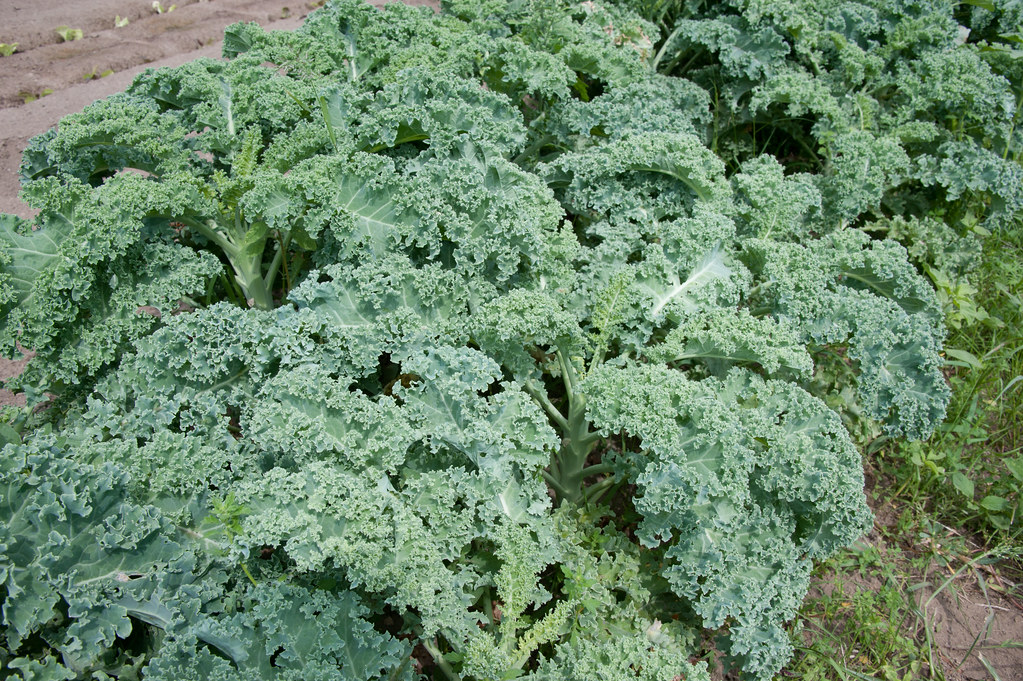
When it comes to leafy greens, kale vs spinach is one of the most debated topics in nutrition. Both are nutrient-dense superfoods packed with vitamins, minerals, and antioxidants—but which one truly deserves the crown? If you’re trying to boost your diet with the healthiest greens, this head-to-head comparison cuts through the noise. We’ll examine their nutritional profiles, health benefits, digestibility, and real-world usability to help you decide which leafy green best fits your lifestyle and wellness goals.
Nutritional Showdown: Kale vs Spinach
To determine which is healthier, we need to look at the hard numbers. Both kale and spinach are low in calories and high in essential nutrients, but they differ in key areas. A 100-gram serving of raw kale contains about 49 calories, while the same amount of raw spinach has just 23 calories. That makes spinach the lighter option, ideal for calorie-conscious eaters.
However, kale pulls ahead in several vitamin categories. It’s exceptionally rich in vitamin K, delivering over 600% of the Daily Value (DV), compared to spinach’s already impressive 120%. Vitamin K is crucial for bone health and blood clotting. Kale also contains more vitamin C—nearly double that of spinach—supporting immune function and skin health.
Spinach, on the other hand, shines in folate and iron. With 49% DV of folate per 100 grams, it’s a top choice for pregnant women or anyone looking to support cellular function and DNA synthesis. Spinach also provides more magnesium and potassium, two electrolytes vital for muscle function and heart health.
Key Nutrients at a Glance
- Vitamin K: Kale (623% DV) > Spinach (121% DV)
- Vitamin C: Kale (134% DV) > Spinach (14% DV)
- Folate: Spinach (49% DV) > Kale (10% DV)
- Iron: Spinach (15% DV) > Kale (6% DV)
- Calcium: Kale (15% DV) > Spinach (10% DV)
- Calories: Spinach (23 kcal) < Kale (49 kcal)
Antioxidants and Phytonutrients: The Hidden Edge
Beyond basic vitamins and minerals, both greens offer a wealth of plant compounds that fight inflammation and oxidative stress. Kale is particularly high in glucosinolates and flavonoids like quercetin and kaempferol, which have been linked to reduced cancer risk and improved heart health.
Spinach contains lutein and zeaxanthin—two carotenoids essential for eye health. These compounds help protect against age-related macular degeneration and cataracts. In fact, studies show that regular spinach consumption can significantly improve visual acuity over time.
While kale has a broader antioxidant profile, spinach’s specific compounds make it a standout for ocular and neurological protection. If you’re looking to support long-term vision, spinach may have the upper hand.
Digestibility and Gut Health
One often-overlooked factor in the kale vs spinach debate is how your body processes each green. Kale is tougher and more fibrous, which can be harder to digest, especially when eaten raw. Some people experience bloating or gas after consuming large amounts of raw kale, particularly if they have sensitive digestion.
Spinach, by contrast, is softer and easier on the stomach. Its mild flavor and tender texture make it ideal for salads, smoothies, and light sautéing. Cooking spinach also increases the bioavailability of certain nutrients, like iron and calcium, by reducing oxalates—naturally occurring compounds that can inhibit mineral absorption.
That said, both greens benefit from light cooking. Steaming kale for 5–7 minutes softens its fibers and enhances nutrient uptake without destroying heat-sensitive vitamins like C and folate.
Oxalates: The Hidden Challenge
A critical consideration in choosing between kale and spinach is their oxalate content. Spinach is among the highest-oxalate vegetables, containing up to 750 mg per 100 grams. High oxalate intake can contribute to kidney stone formation in susceptible individuals, particularly those with a history of calcium oxalate stones.
Kale, while still containing oxalates, has significantly lower levels—around 20–30 mg per 100 grams. This makes it a safer choice for people managing kidney health or following a low-oxalate diet. If you’re prone to kidney stones, kale may be the smarter long-term option.
For most people, moderate spinach consumption poses no risk. But if you eat large quantities daily—especially raw—it’s worth discussing with a healthcare provider, particularly if you have a personal or family history of kidney issues.
Versatility in the Kitchen
When it comes to culinary flexibility, both greens have their strengths. Kale’s sturdy leaves hold up well in soups, stews, and baked dishes like kale chips. Its slightly bitter, earthy flavor pairs beautifully with garlic, lemon, and olive oil.
Spinach is more delicate and versatile in raw applications. It blends seamlessly into smoothies, salads, and wraps without overpowering other ingredients. It also wilts quickly when cooked, making it perfect for omelets, pasta sauces, and stir-fries.
If you’re meal prepping or looking for a green that transitions easily from breakfast to dinner, spinach offers more immediate usability. Kale, while nutritious, often requires massaging or cooking to become palatable in raw form.
Environmental Impact and Sustainability
Beyond personal health, many consumers consider the environmental footprint of their food choices. Both kale and spinach are relatively sustainable crops, but there are differences.
Spinach has a shorter growing cycle and requires less water than kale, making it slightly more eco-friendly in terms of resource use. It’s also less prone to pests, reducing the need for pesticides in conventional farming.
Kale, however, is highly resilient and can grow in cooler climates, extending its harvest season. It’s also a perennial in some regions, meaning it can be harvested multiple times from the same plant. When grown organically, both greens have a low environmental impact, but spinach edges out slightly in efficiency.
Which Should You Eat: Kale or Spinach?
The answer isn’t black and white—it depends on your health goals, dietary needs, and lifestyle. If you’re looking to maximize vitamin K and C intake, support detoxification pathways, and reduce kidney stone risk, kale is the superior choice.
On the other hand, if you prioritize folate, iron, and eye health, and prefer a milder, more digestible green, spinach may be better suited to your needs.
For most people, the best approach is to include both in a varied diet. Rotating between kale and spinach ensures you get a broader spectrum of nutrients and reduces the risk of overconsuming any one compound, like oxalates.
Key Takeaways
- Kale wins in vitamin K, vitamin C, and antioxidant diversity—ideal for bone health and immune support.
- Spinach leads in folate, iron, and eye-protecting carotenoids—great for pregnancy and vision.
- Kale is lower in oxalates, making it safer for those with kidney concerns.
- Spinach is easier to digest and more versatile in raw dishes.
- For optimal health, rotate both greens rather than relying on just one.
FAQ: Kale vs Spinach
Can I eat kale and spinach every day?
Yes, but moderation is key. Eating a variety of leafy greens daily supports balanced nutrition. If you have kidney issues, limit high-oxalate spinach and opt for kale more often. Otherwise, both can be part of a healthy daily diet.
Which is better for smoothies: kale or spinach?
Spinach is generally preferred for smoothies due to its mild taste and soft texture. It blends easily without a strong aftertaste. Kale can be used but may require added fruit or citrus to balance its bitterness.
Does cooking destroy nutrients in kale and spinach?
Cooking can reduce some heat-sensitive vitamins like vitamin C, but it also increases the bioavailability of others, such as iron and antioxidants. Light steaming or sautéing is the best method to preserve nutrients while improving digestibility.
Final Verdict: It’s Not a Competition—It’s a Combo
The kale vs spinach debate often frames these greens as rivals, but they’re better viewed as complementary allies in a healthy diet. Each offers unique benefits that the other doesn’t fully replicate. Rather than choosing one over the other, aim to enjoy both regularly.
Try adding spinach to your morning smoothie and kale to your evening stir-fry. Use spinach in fresh salads and kale in hearty soups. By embracing variety, you’ll maximize your nutrient intake, support long-term health, and keep your meals exciting.
In the end, the healthiest choice isn’t kale or spinach—it’s both.
About the Author